



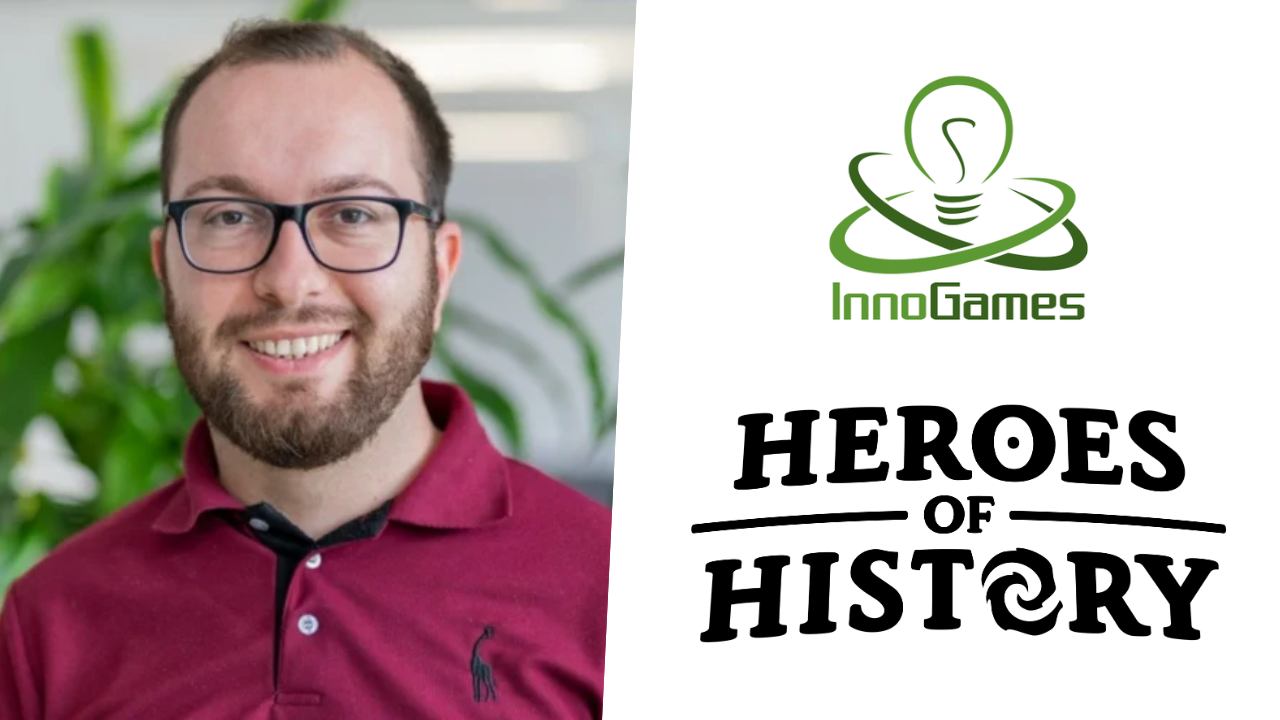
Zoran Gjorgiev works as a Product Manager at InnoGames, where he currently leads work on Heroes of History. He started at the company in community management and quality assurance, contributed to Forge of Empires, then transitioned into product management on Rise of Cultures before moving to Heroes of History.
With a background in testing and game quality, Zoran now focuses on feature planning, player engagement, and long-term roadmap execution. He also brings experience in team training and has shared insights on gamified approaches to QA and product development.
You’ve been working on Heroes of History for almost two years now. What was the original vision for the game when you joined the team, and how has it evolved since then?
By the time I joined Heroes of History, the game concept had already been designed, and development had started. However, the game has evolved considerably since then, to the extent that it feels like a very different game now, although its core vision hasn’t changed.
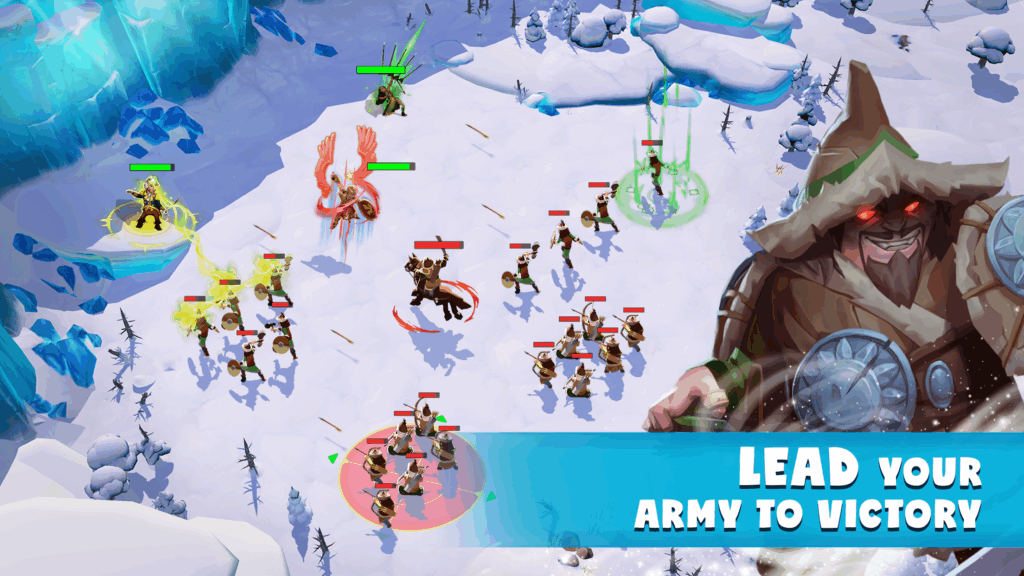
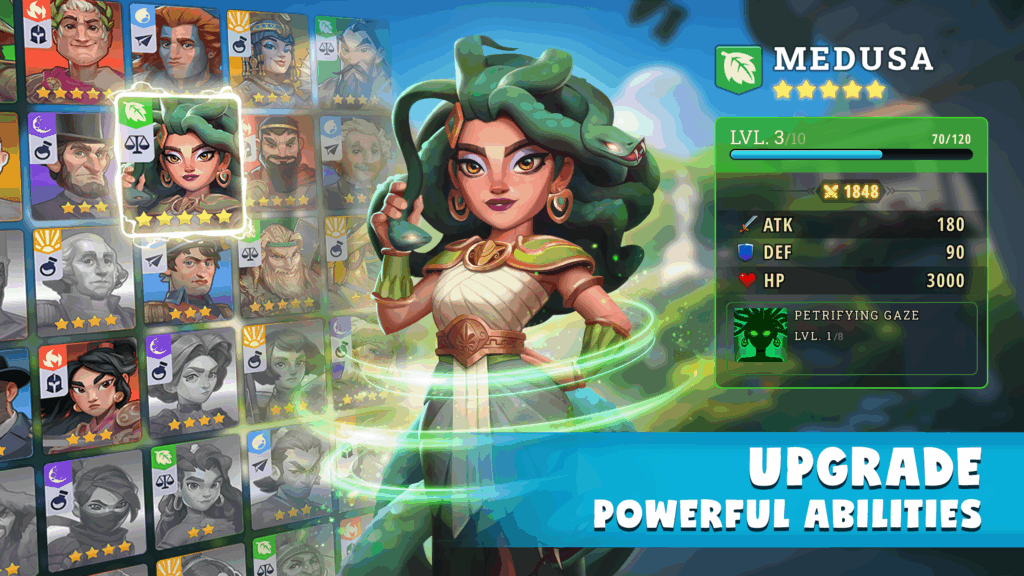
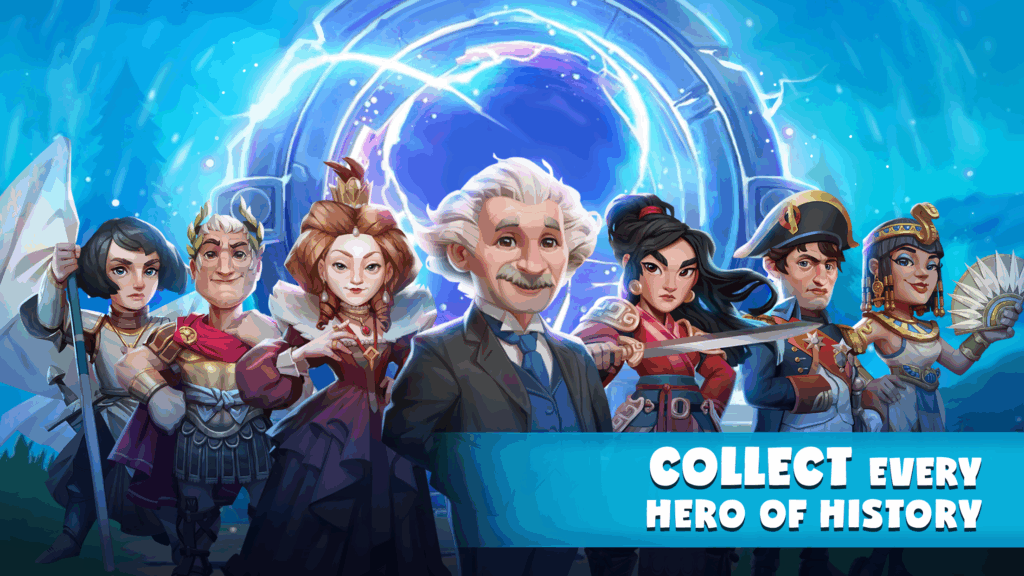
We’re still combining strategic city-building gameplay with engaging hero collection and battle mechanics, featuring a large roster of well-known historical and mythological figures. Yet, what that means for us has shifted.
One of the most noticeable differences is a stronger and clearer connection between city-building and battle, with the two aspects supporting each other to create a unique gameplay experience.
Similarly, the historical element has always been there, but we’ve strengthened it further by introducing new battle modes inspired by real historical battles. Many, if not most, of our upcoming events will continue in this vein.
Overall, we’ve doubled down on the original vision and reinforced it through our more recent additions. One could say that working on the game has clarified what the vision means to us, which parts we should focus on, and how we can put it all into practice. However, with each new character we add, we’re reaffirming what we’ve believed in since day one.
When you look at early player behavior, what surprised you the most compared to your expectations pre-launch, especially around what players valued or ignored in the early game?
Transitioning from production to a live game is always intriguing, as you get to see both the data and the players’ feedback. You come out of production with your own assumptions and predictions, which are often supported by internal team playtests as well as external user tests. Then players get into the game, and unexpected things happen.
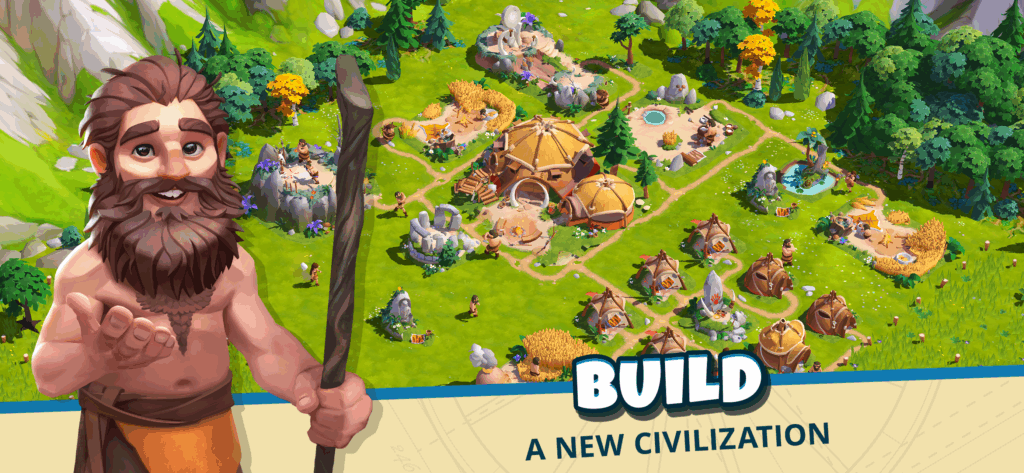
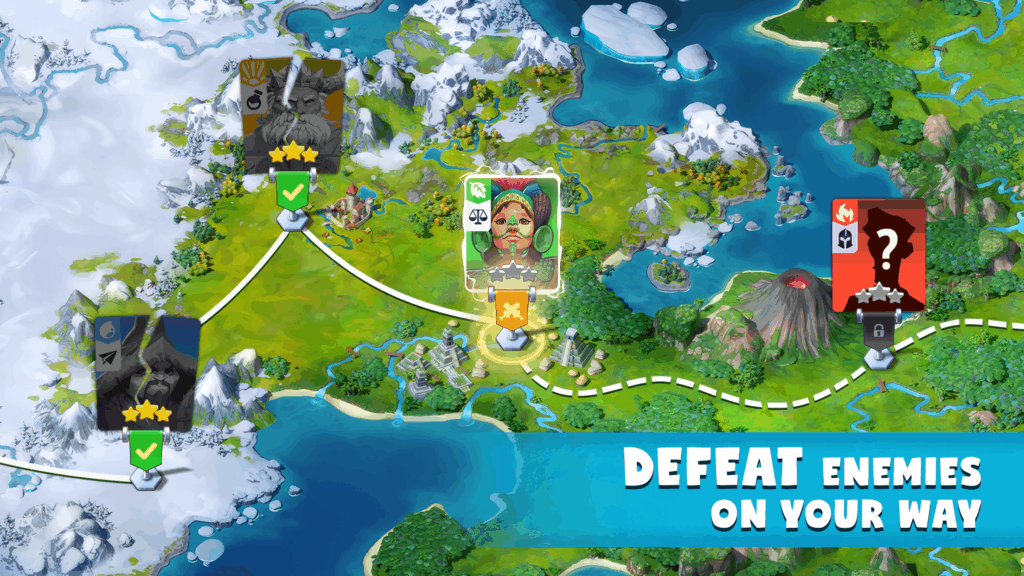
Personally, I was somewhat surprised by the immense popularity of our Allied Culture Event Cities, which appear early in the game. These brief, 5-day events focus on a specific culture, and players engage in city-building gameplay to develop a civilization towards independence.
Ultimately, they unlock exclusive heroes as a reward for their efforts. Overall, the Allied Culture Event Cities offer a fast-paced, challenging twist on the game’s core city-building loop. They are a compact and enjoyable miniature version of the entire game, if you will.
While we always believed in the concept – otherwise we would not have implemented it – I was a bit concerned that players might find the events too similar to the main game and perhaps also a bit too similar to each other. Needless to say, I was happy to be wrong!
Another example of something that surprised me is related to a mechanic that you can find in almost any city-building game, namely, that maximum output can only be achieved by heavily optimizing the placement of buildings. Heroes of History is no exception in that regard.
However, from day one onwards, our players engaged much less in such optimization than I had expected. Instead, many of them focused on obtaining more resources through other means within the game.
Other than that, I was fascinated to see which heroes players gravitated towards after we had launched the game. Some of the most popular ones definitely weren’t among my top picks!
From your experience on Rise of Cultures, which lessons proved most useful when you moved to Heroes of History?
Rise of Cultures is a very content-heavy game, so one of my first important lessons was the value of finding ways to reuse material and building flexible systems that make it easy to create new content.
We established a very ambitious LiveOps setup just one year after launching Heroes of History, which was only possible because we designed many of these components to be reusable. This would not have been possible in Rise of Cultures, at least not early on.
This is not to say that we simply re-run the same things, though, since we do strive to keep everything fresh and interesting for our players. However, we are careful to ensure that we innovate while delivering a continuous stream of LiveOps.
Another useful lesson was the importance of understanding the “why” behind players’ behaviors and requests. They don’t always explain why they do or want something. Sometimes they don’t even know their own motivations, or they are simply mistaken about them.
I’ve seen some presentations warning game developers to be cautious about player requests, and rightly so. To address a problem properly, you have to make a strong effort to understand its source and why it is viewed as a problem in the first place.
When I was working on Rise of Cultures, I initially felt the urge to implement all player requests as they arose. Now I know that’s not a good idea.
What I’ve also learned is the importance of setting aside time to address community feedback, particularly regarding quality-of-life improvements. While listening to players is common practice in the gaming industry, it’s equally important to actually act on their feedback. This may sound obvious, but it’s easy to get caught up in all the listening and forget the acting.
Not least, I’ve learned that it’s important to ensure that any design is accompanied by your intent when discussing new topics internally. That way, others on the team can better understand your goal and potentially suggest alternative approaches.
Similarly, when delivering updates to players or making changes to the game, I learned to always provide context and explain my reasoning. Players will appreciate this, as it will help them to understand your intentions, and it will allow them to build a stronger relationship with you. Trust and communication are two-way streets, so it’s important to do your part if you want others to reciprocate.
How did you approach building the LiveOps structure for Heroes of History, and what were the first LiveOps needs you identified?
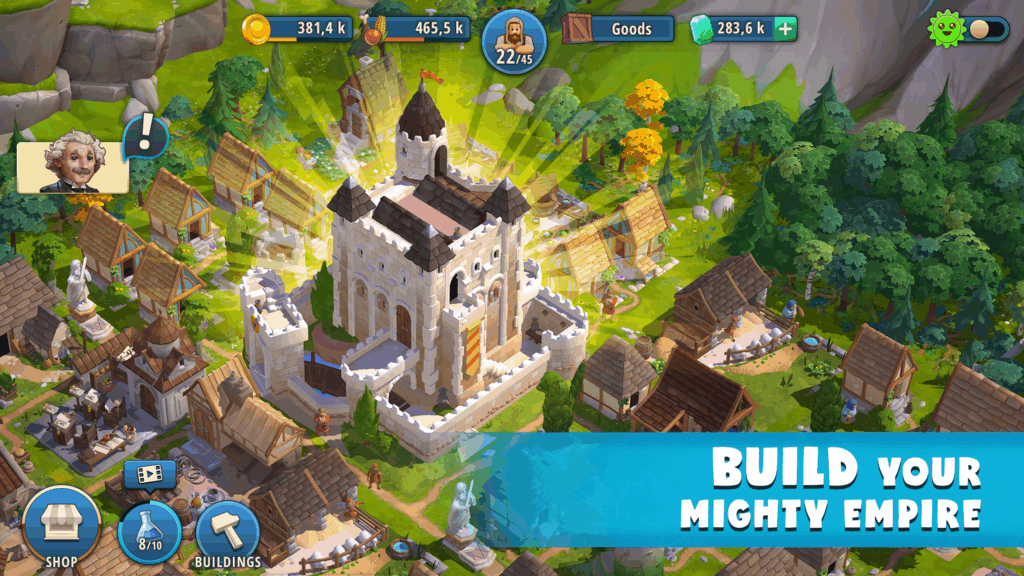
As I mentioned previously, we scaled up our LiveOps quickly. To achieve this, we had to get creative to reach a point where we could offer players something new almost every day. So, we set out to build several core features:
- A Season Pass that features daily, weekly, and seasonal tasks. Players progress through checkpoints and can earn various rewards, including Arcane Antimatter. This currency is used to unlock exclusive heroes, which are added roughly once a month. The Season Pass has proven extremely effective in terms of onboarding, guidance, and overall engagement. During Heroes of History’s first year, we ran a total of 14 seasons and introduced 24 new heroes.
- The Arena: a player vs. player battle mode that has run as a weekly competition throughout the game’s first year. It features an overarching ranking system that enables players to climb the ladder and become the best in the game. The Arena fosters a strong sense of community and helps players discover heroes and their various applications.
- The Alliance Treasure Hunt, which is another weekly mode that ran throughout the first year. This mode is collaborative, though, and adds an alliance vs. alliance competitive element.
- The Allied Culture Event Cities I already mentioned, which allow players to build and manage a different civilization every few days, each with its own unique mechanics and thematic setting. Players also have the opportunity to earn special heroes that can only be found here. In the first year, we ran a new competition each week, with variations covering four different cultures: Egypt, China, the Vikings, and the Mayans. Each featured modified mechanics and a different thematic setting. We also introduced 6 new heroes.
The above provided us with a solid foundation and enabled us to build a first set of sales offers for the game, including offers for specific occasions. However, we needed a wider range of offers, so we soon explored the following ways to expand:
- Hero promotions that provide an increased chance to acquire specific heroes or heroes of a particular rarity. In our first year, we ran more than 45 of these promotions.
- Seasonal events that involve completing tasks within a set timeframe. Players can earn event currency, which they can use to claim rewards of their choice, as well as special items that they can equip to strengthen their heroes and give them new abilities. We also introduced a new Relic reward type for support. In our first year, we ran 11 of these events and constantly evolved them to provide a new and upgraded setup.
- Special occasion events that are themed around holidays and provide rare game resources. We held 5 such events in the game’s first year.
- A robust offer system that enables us to easily create new offers and adapt our sales schedule quickly and flexibly. Initially, we worked with several offers and potential sale setups, but now we’re extremely versatile and can build and run brand new offers in a matter of hours.
We designed most of the offers so that the base setup could easily be mixed and matched with different configurations, rewards, and themes, making it simpler to put together new events.
Personally, I believe that it’s unnecessary to reinvent the wheel for every event in terms of mechanics and gameplay, because it’s usually the rewards that motivate people in midcore meta-driven games, so more focus should be placed on them.
This is not to say that diversity and range are unimportant, but rather that the priority should first be to enable a broad selection of LiveOps, and then to provide more depth and exciting new gameplay.
Taking all of the above into account, we now have a full year-round LiveOps calendar. Our focus for the coming year is to build on this by creating bigger and more sophisticated events.
Your path spans Community → QA → Product Management. How does that background shape the way you evaluate risks and make product decisions today?
Having experienced the games industry from different angles has been very helpful. No matter what the situation, I find it pretty easy to understand and even anticipate the possible impact of our actions on the community and on QA. Having experienced those scenarios first-hand, I can put myself in the shoes of others in different roles. I still care deeply about our community and the quality of our games, and I always consider both in my day-to-day work.
This enables me to plan ahead for any risks or concerns relating to the new features and content we are working on, as well as any potential communications or events within the community. It improves the production aspect of many of our topics, as I’m actively promoting higher standards and improving our processes to streamline our work.
However, amidst all that, I have to be careful not to become overly concerned. After years of prioritizing quality, it’s easy to develop a mindset that limits your ambition, fearing that bigger goals will lead to rushed, overreaching plans and poor results.
Thankfully, my team is quite good at helping me to keep that in check and encouraging me to commit to grander things. I think being able to contribute to these areas earlier in the production process is one of my strengths.
What is one LiveOps trend you think studios underestimate, but will become essential in the coming years?
I’m not sure if this is a real trend, but I believe that the creation of content specifically designed to generate hype is an evolving concept that will continue to grow in importance. New LiveOps are usually designed with internal reasoning in mind, such as increasing revenue, retention, and engagement, which has a direct impact on traditional KPIs.
Yet, as we can see from the rise of IP integrations and in the media, things are now being created around a certain moment in an attempt to generate buzz and achieve virality similar to that of social media content. In fact, games have been experimenting with ways to encourage user-generated content for years, leveraging it to increase organic reach.
In the coming years, I think a lot of LiveOps will be crafted in such a way as to enable large-scale operations, turning the topic into a spectacle that goes beyond the game and becomes an “event” in itself. Hopefully, both players and non-players from around the world will tune in to watch and participate in it.
What’s something you’re excited to explore next in Heroes of History’s LiveOps roadmap?
We have quite a lot planned for this coming year, as we now want to focus on building bigger, more concentrated groups of events. As part of this, we’re going to create new battle-related events and game modes, which is always something to look forward to! I believe that our heroes and the battle system are the lifeblood of our game, and I’m happy that we have so many ideas that we can continue to develop in the years ahead.
Some of these events will be timed and centered on pop culture themes that are dear to my heart, so it will be incredibly exciting to bring them to life. I mean, if you have dreamed of making games since you were a kid, as I have, it’s simply amazing to see that dream become a reality.
Other parts will be permanent battle modes that allow our newest heroes to shine. This is equally rewarding, as it gives a fresh purpose to what we have already created and loved. Overall, I am really hyped about where we can take our heroes next year!

Product Manager at InnoGames
