




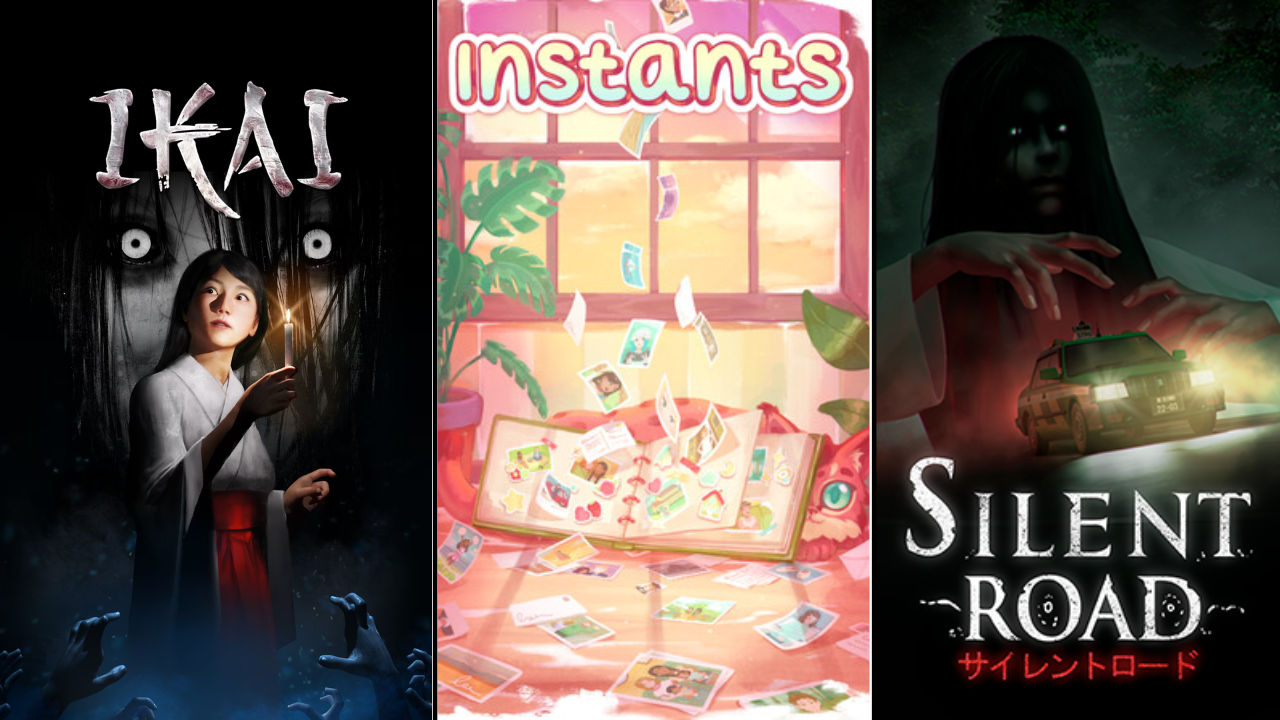
Endflame is a two-person indie studio in Spain, founded by Guillem Travila Cuadrado and Laura Ripoll Galan. The team broke through with Ikai, a Japanese folklore-inspired horror game that found a strong audience and put Endflame on the map.
After Ikai, Endflame took a sharp turn in the opposite direction with Instants, a wholesome puzzle game that launched with limited visibility and struggled commercially. The setback nearly brought the studio to a halt. The team shrank from four to two—yet as partners in both life and work, they chose to keep going.
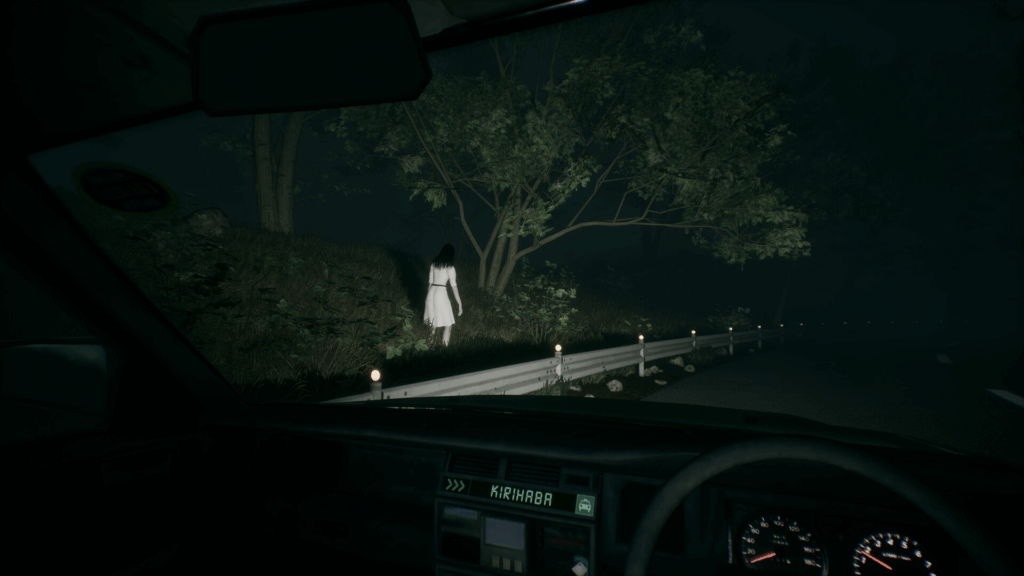
Now, Endflame is returning to psychological horror with Silent Road, a first-person experience set in a remote Japanese forest where you play a night-shift taxi driver—and where each ride pulls you deeper into what the forest is hiding.
We spoke with the team about the risks of switching genres, the realities of visibility and funding, and the hard-earned lessons indie teams can use to avoid the same mistakes.
Can you take us back to the very beginning – how did Endflame come together, and what made you decide to found the studio?
We met at university and, after graduating, started working together at an indie serious games studio. Unfortunately, that studio was about to shut down, which forced us to think about what to do next.
We had always talked about making our own games, and this situation gave us the push to do so. It was something we might not have considered otherwise.

Why did you choose horror for your first project – and specifically a Japanese folklore-inspired theme?
We love horror and are also very drawn to Japanese culture, so the combination came naturally to us.
On a practical level, horror is a genre that doesn’t necessarily require large-scale productions, which matched our team size and skill set at the time.
On top of that, Japanese folklore offered a distinctive angle within the genre, which often explores other kinds of settings.
Going into Ikai, what were your expectations – both creatively and commercially, and how did the game actually perform compared to what you’d hoped?
As Ikai was our first project as a studio and we didn’t have extensive prior experience, we started the development with grounded expectations, focusing on delivering a solid and honest creative vision rather than aiming too high.
Achieving a multiplatform launch, both digitally and at retail, and seeing the overwhelmingly kind and supportive reactions from players completely exceeded anything we had hoped for. For us, it was an absolute success.
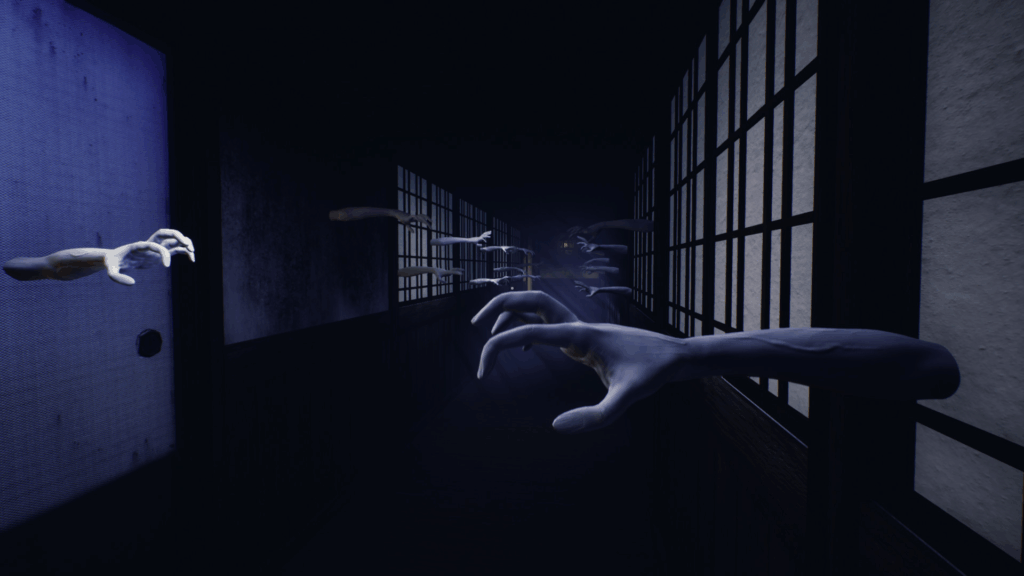
You’ve tried to pitch a larger horror concept that couldn’t secure funding. Was that the main trigger behind switching genres after Ikai? If so, how did that decision unfold?
Yes, that was the main reason. That said, I wouldn’t describe it as a conscious decision to switch genres. Rather, we removed genre constraints entirely when brainstorming our next project.
The only real limitation we set was scope: keeping the development timeline tight and aligned with our team size. The idea that resonated most with us and that we immediately fell in love with just happened to be in a completely different genre.
With Instants, did you have a clear visibility plan going into launch, or did marketing end up being something you had to learn the hard way once the game was out?
We did have a marketing and PR plan in place, which we worked on together with an agency, not only for launch but also for key moments throughout development. Even so, marketing remained extremely challenging, and having a plan didn’t necessarily make the process easier.

Was Silent Road a strategic return to a genre with a proven audience for you, or a creative decision to double down on what you do best, or both?
It was primarily a creative decision to return to what we feel most comfortable with and what we believe we do best.
However, it’s undeniable that, from a strategic perspective, coming back to horror allows us to reconnect with part of the audience that discovered us through Ikai. While that wasn’t the driving motivation, it’s definitely an advantage we plan to make the most of.
What are the biggest lessons from both Ikai and Instants that are shaping how you’re developing—and launching—Silent Road?
From the development side, working on two projects in very different genres allowed us to learn from contrasting gameplay approaches and to observe a wider range of player profiles.
This has helped us better understand player reactions, including unspoken feedback, and adapt our design choices accordingly.
When it comes to launch, we’ve learned that every release is a completely different world. Each game requires starting from scratch in terms of planning, based on the product itself and the current market conditions. There’s no universal formula, and you can’t simply replicate what worked for another game, no matter how similar it might seem.
Lastly, as a couple running a studio together, what are your best tips and tricks for staying healthy and productive when work and life fully overlap?
What works best for us is setting very clear boundaries between work and personal life. We establish defined working hours and treat that time as a professional collaboration between co-workers. Once that time is over, we consciously disconnect from work and focus on our personal lives instead.


If you’d like to support Guillem and Laura on their comeback path, you can check out their previous games: Ikai and Instants.
And if Silent Road sounds like your kind of slow-burn psychological horror, consider wishlisting it to help Endflame gain visibility ahead of launch!
