




Madbricks, one of Colombia’s longest-standing game development studios, is making its official debut on Steam with its first original IP: Mexican Ninja.
The studio has long earned a reputation for delivering top-tier gaming experiences that resonate with audiences worldwide, with a strong track record of creating successful games for partners like Voodoo, ByteDance, and Maximum Games.
Now, Madbricks is taking its expertise and turning it toward its own vision. The launch comes at an exciting time for the team, as they recently marked a new phase following their acquisition by game development agency Amber in mid-2024.
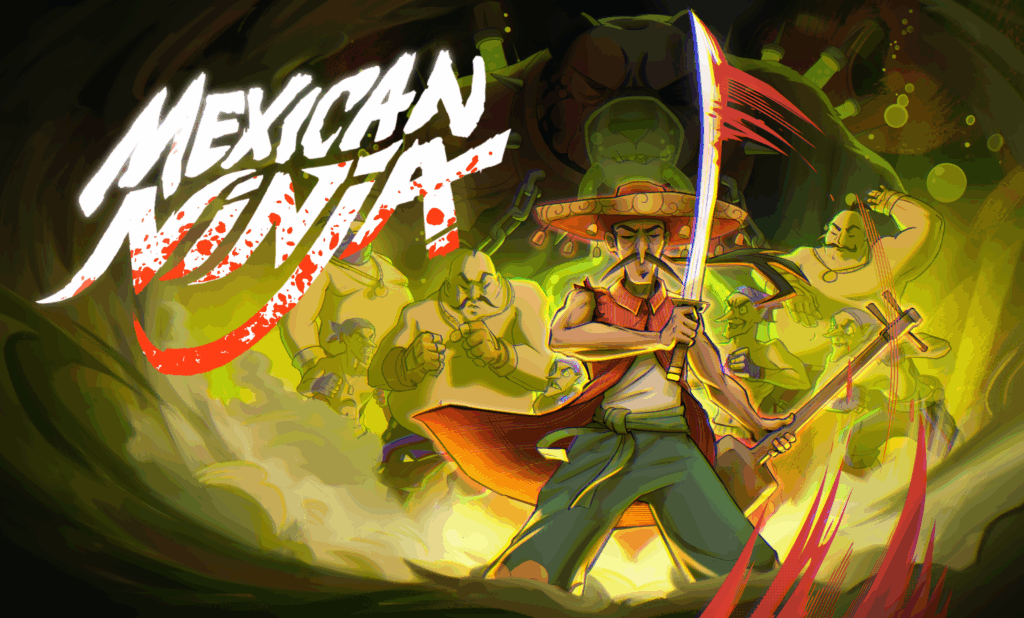
The recently updated demo for Mexican Ninja, a 2.5D roguelike beat ’em up that mixes Mexican and Japanese cultures, is a strong signal of the studio’s ambitious new direction.
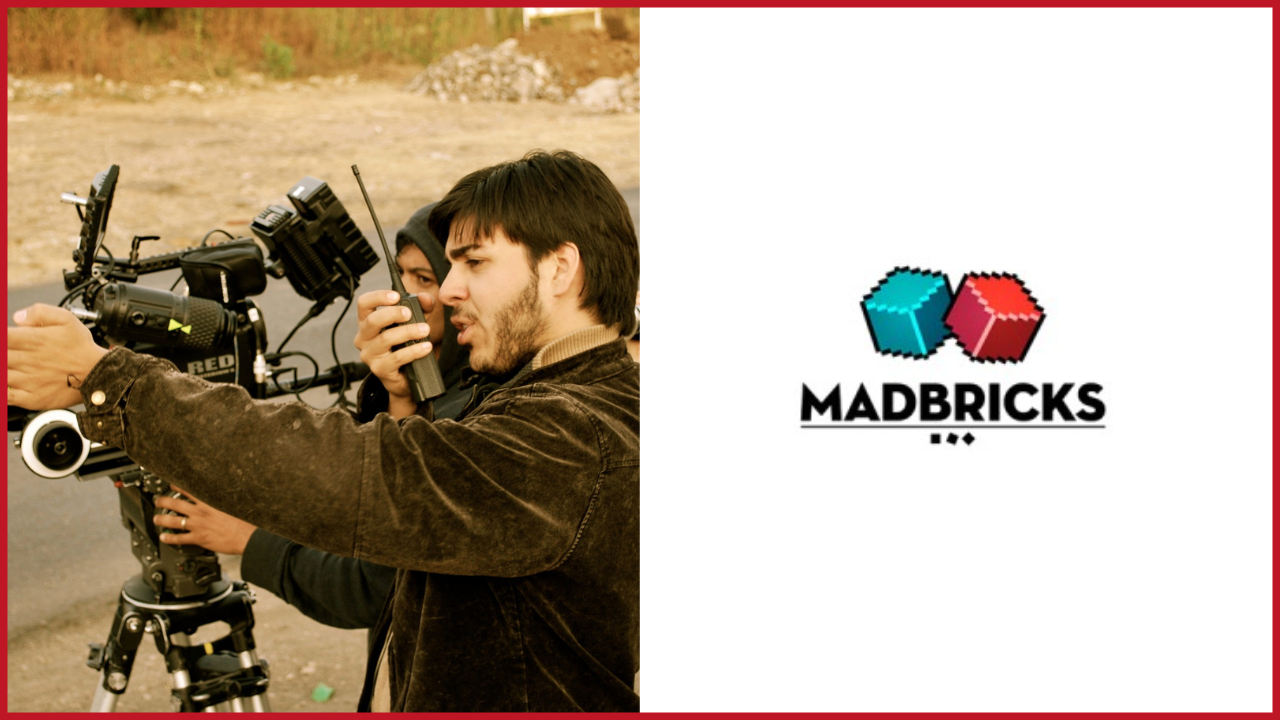
To mark this significant occasion and learn more about the studio’s journey and vision for Mexican Ninja, we sat down with Writer/Director Carlos Rincones.
Mexican Ninja’s setting of Nuevo-Tokyo and the blend of Japanese and Mexican culture is highly unique. How did you come up with the idea, and what were the inspirations for this cultural mashup?
I think the influence comes from growing up in Celaya, Guanajuato, and growing up there, there weren’t many places to rent movies near my house. There was this cross-eyed dude who rented movies, we called it el video bizco, and, dude, you know, what he mostly had was a catalog of B-movies — tons of beat-’em-ups, ninjas, cop and detective movies — and I loved action, man.
My dad was also a huge fan; he watched a lot of action movies, so you know, I grew up with all the B-movie legends, dude: Charles Bronson, Lou Diamond Phillips… endless names to mention. Like, obviously, I had ticket stubs stuck on my poster wall and this giant Van Damme poster, shirtless and totally ripped, you know.
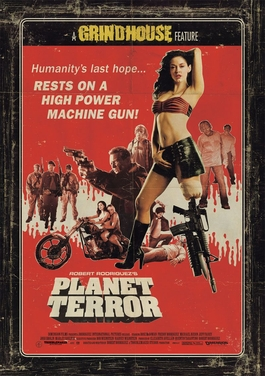
So yeah, dude, I think a lot of that influence was already there. Later on in my career, working with Robert Rodriguez also clearly had an impact, because ever since El Mariachi, Desperado, and all that, Robert had obviously dug into a lot of Mexican themes in Hollywood, and that kind of seeped in, too, but I think all of that, in the end, started to form ideas.
And then I had a Japanese roommate one summer and I started to realize how different we were — like that guy was super tidy, you know, very honorable, and the Mexican is there all messed up.
But at the same time, we got along great, and there was something weird about the humor, dude, because even though at first glance their humor and ours are different, underneath they’re kind of similar.
I mean, the Japanese, I think, they also have a pretty layered, dark, witty sense of humor, and Mexicans do too. So yeah, dude, I think that whole combination of things is what started to create those ideas.
And then one day, I sat down to write — like I was saying, the first version of Mexican Ninja was a sitcom. I wanted to do it like Friends or The Big Bang Theory, but nobody got it, dude, and that was the very first version of Mexican Ninja.
Then I wrote it as an animated series, and from there the lore started coming together and all the chaos around it, man. Little by little, obviously, there was also American Ninja with Michael Dudikoff — to me, the name, the title, sounded super legendary. But I was like, “Dude, Mexican Ninja can’t be serious,” you know? You’re not going to take a Mexican guy like that seriously, all swole and throwing punches — no way, dude, just look at the cops, all fat as hell.
So yeah, man, the idea was always to take inspiration from all those B-movies, from the whole traditional martial-arts saga and a lot of Hong Kong films, and mix in this Mexican kind of humor, with a story that sort of follows the hero’s journey, but more as an anti-hero than a hero — like the hero who doesn’t really want the responsibility of being the hero.
Can you talk to us about why you decided on a 2.5D Roguelike Beat ’em Up genre for this particular concept?
“What if that feeling of playing arcade beat ’em ups as a kid collided with the kind of systems and replayability we love in modern roguelikes?”
The 2.5D beat ’em up part is our love letter to classics – walking into a screen full of trouble and turning it into a combo video. Side-scrolling lanes, readable silhouettes, punchy feedback… It’s a language players already speak. 2.5D lets us keep that clarity while still playing with depth, camera moves, and big, theatrical moments.
The roguelike layer is the “fresh take” on top of that foundation. Instead of a straight, linear campaign you clear once, we wanted runs through different districts, evolving builds, and that “okay, one more try” loop.
So the genre choice really came from that intersection: Classic arcade readability and impact, with modern systemic depth and replayability – something that feels instantly familiar if you grew up on beat ’em ups, but behaves like a game you can live in for dozens of runs, not just a single weekend.
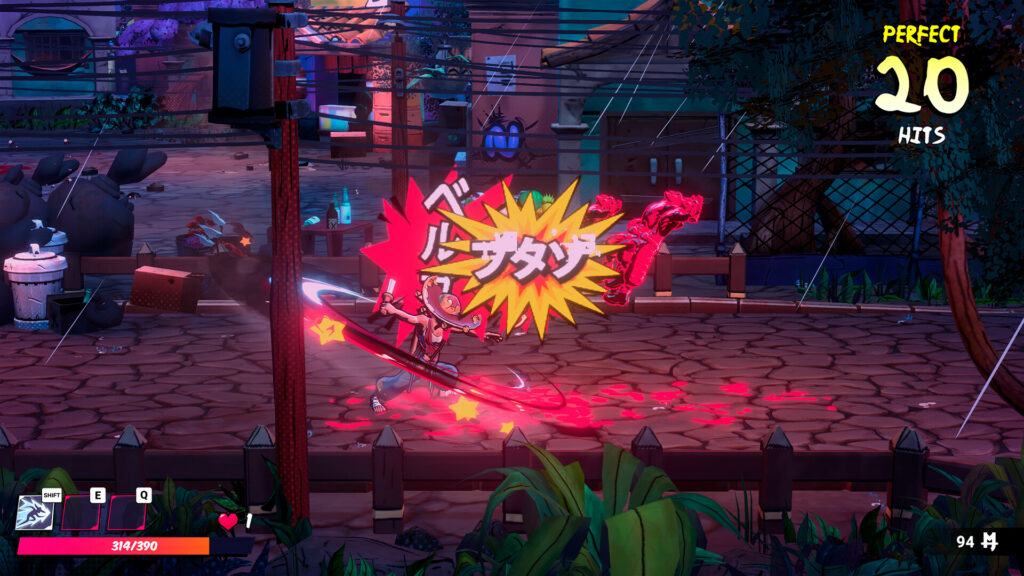
Can you walk us through the process of settling on this specific art direction? Were there any specific visual media or artists that heavily influenced the game’s look?
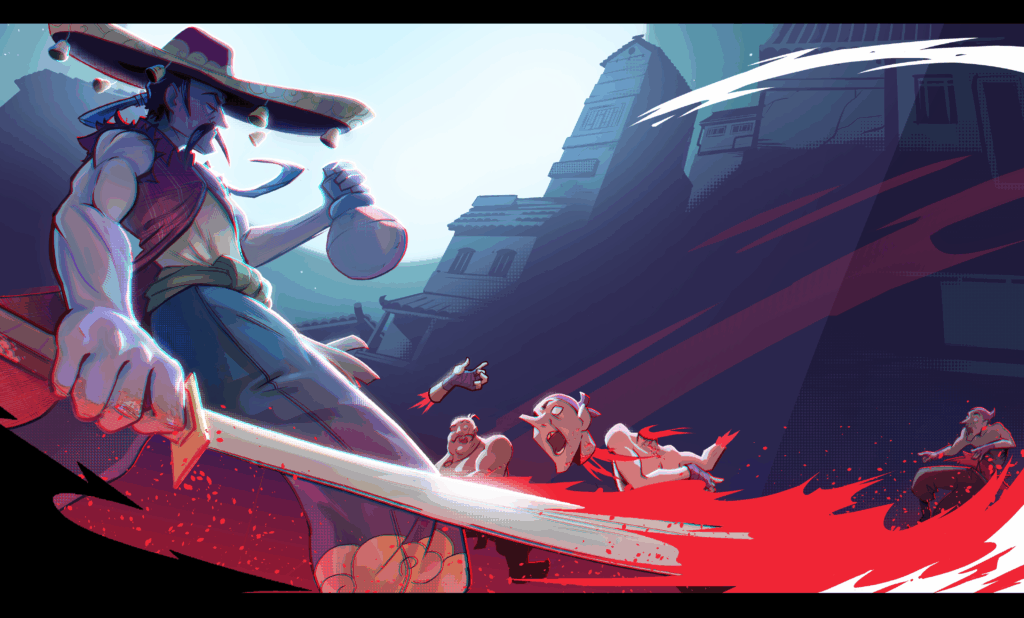
At its core, the art direction wanted to evoke the feel of an early 00’s cartoon, with two main intentions: a “fresh” artistic representation from both cultures, and a pragmatic approach for the resources we had in our hands.
With those two rules, it was only a matter of choosing our main inspirations. Genndy Tartakovsky was for me the main visual north, and the work that Klei Studio did on Mark of the Ninja and Shank was all over the place on our reference board.
Since Madbricks was acquired by Amber Studio in 2024, how has this change impacted the development process, team size, and resources for a project like Mexican Ninja
The short answer is: same crazy team, more friends.
One of the biggest reasons we joined the Amber Fam is that our core values align. We’re still leading Mexican Ninja from Bogotá with the original Madbricks crew, but now we can tap into Amber’s teams whenever we hit something big — QA, performance, marketing, you name it.
It did make our process more structured, with clearer milestones and reviews, but in exchange, we got more stability, better tools, and real publishing support. That lets us spend more energy on what we care about most: making Mexican Ninja as tight, responsive, and fun as it deserves to be.
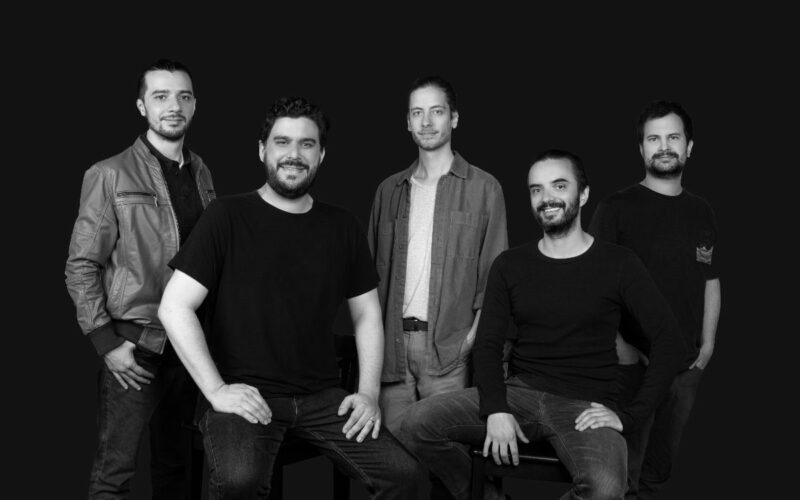
Having operated in Bogotá for over a decade, you have a unique view of the local industry. What are the biggest positive changes you’ve witnessed in the Colombian game development scene, and what are the most consistent hurdles that studios still face when competing globally?
We started Madbricks after having worked in one of our oldest, biggest studios, Efecto. One of the studios that ‘paved’ the way.
In ten years, Colombia went from ‘a handful of studios’ to a proper ecosystem with dozens of teams, government grants, and international recognition. The talent is stronger, the projects are more ambitious, and we no longer have to explain that yes, serious games are made here. More and more, you see.
The flip side is that our biggest constraints haven’t disappeared: capital is scarce, senior talent is hard to retain, and marketing muscle is limited. Competing globally from Colombia means you have to be extremely sharp about focus, partnerships, and where every dollar goes – but if you get those pieces right, the upside is huge.

You’ve updated your demo on Steam. What was the most valuable piece of feedback you received from the community, and how did it directly influence a change in the game’s development?
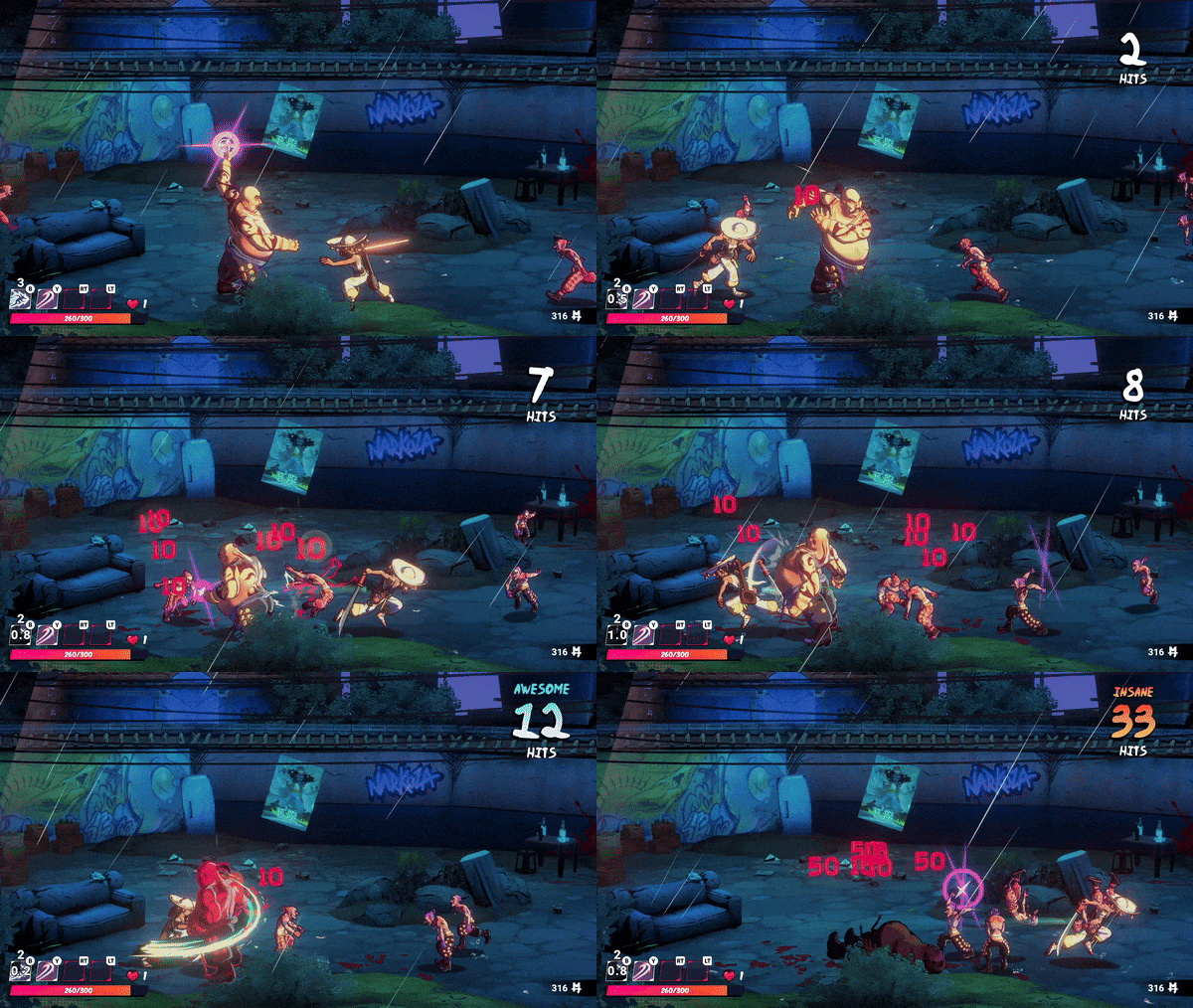
The loudest and most valuable feedback we got was around character readability and combat depth. Players loved the chaos, but a lot of them told us, “I’m having fun, I just don’t always know why things are happening.”
For a game like Mexican Ninja, that’s a big red flag – one of our core pillars is embracing the desmadre, but if you cross the line from “controlled chaos” into “I’m lost,” the whole experience falls apart.
For this new demo, we started to tackle that from all departments more distinct silhouettes, better telegraphs on dangerous attacks, improved VFX and audio cues, and UI touches that help you understand what’s proccing and when. The goal is that you still feel overwhelmed in a good way, but your brain can actually parse the fight.
On the combat depth side, the challenge with a demo is not showing too little or too much. If we dump the full move list and late-game systems on you, we risk flattening the sense of discovery later. So we used that feedback to curate a middle ground: this updated demo gives you a clearer glimpse of how builds, weapons, and abilities can layer on top of each other, without blowing all the surprises we’re saving for the full game.
What are your plans for Madbricks going into 2026?
We’re 100% all-in on Mexican Ninja. This is our main mission.
We’re obsessed with polishing, tuning, and balancing every punch, every combo, every run so it feels as tight and satisfying as possible. We have a ton of crazy ideas we’d love to explore down the road, but at this stage, our energy is laser-focused on making Mexican Ninja the best, most chaotic, most fun beat ’em up we can deliver.
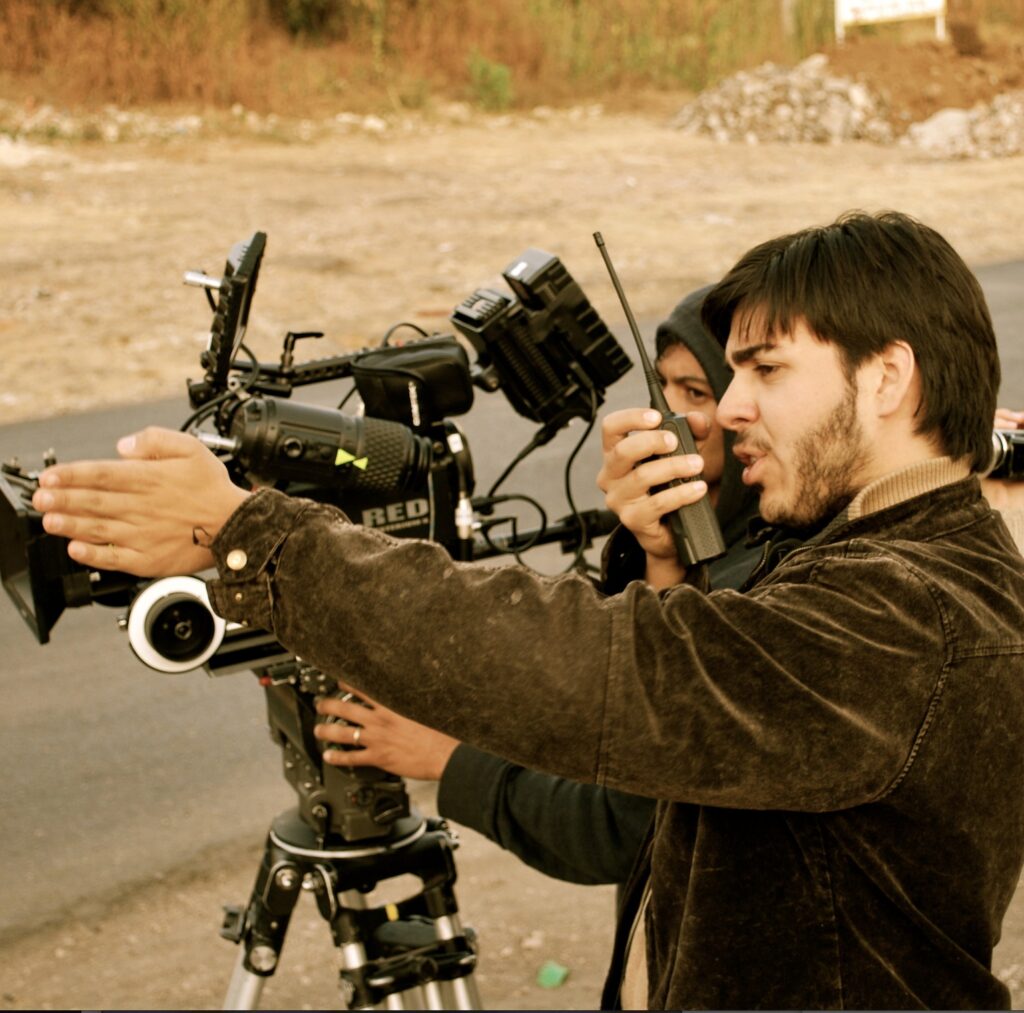
Image Credit: IMDB
Writer/Director
