
The gaming industry continues to evolve, creating an ever-expanding array of high-demand careers. Whether you’re a coder, artist, marketer, or strategist, there’s a role for everyone in this billion-dollar industry.
Below, we break down the most in-demand gaming professions in 2025 and include real-world job titles to help you find the perfect path to launch or level up your gaming career.
Game Programming
Game programmers are the backbone of game development, responsible for coding gameplay mechanics, UI systems, AI, and physics. Specializations like engine development, multiplayer systems, and build & release management ensure games run smoothly across platforms.
Programmers also work closely with artists and designers to bring creative visions to life.
Example Titles: Gameplay Programmer, AI Engineer, Tools Programmer

Game Design
Game designers craft the player’s experience, focusing on story, combat systems, level creation, and game mechanics. They are key in building immersive, engaging worlds through narrative design, prototyping, and user interaction. Expertise in monetization, multiplayer balance, and accessibility is increasingly sought after in 2025.
Example Titles: Level Designer, Narrative Designer, Systems Designer

Game Production
Game producers manage workflows, deadlines, and team coordination across departments. They oversee everything from studio management and publishing to live ops and project planning. Strong organizational and leadership skills are essential to deliver games on time and within budget.
Example Titles: Game Producer, Project Manager, Live Ops Manager

Art
Game artists bring concepts to life through 2D, 3D, character, and environment design. They use tools like shaders, lighting, and VFX to create visually stunning and emotionally resonant game worlds. Artists often specialize in areas such as concept art, technical art, or asset creation for vehicles and weapons.
Example Titles: 3D Environment Artist, Character Concept Artist, Technical Artist

Animation
Animators breathe life into games with smooth, realistic character movements and visual storytelling. From motion capture to cinematic sequences and particle effects, animation enhances the overall gameplay experience. Technical skills in rigging, scanning, and VFX integration are critical in this field.
Example Titles: Animator, Cinematic Artist, Rigging Artist

Software Engineering
Software engineers ensure the game’s infrastructure, tools, and services are robust, scalable, and secure. Roles include backend development, DevOps, cloud integration, and technical writing. Engineers also contribute to reliability, data analytics, and prompt-based programming systems.
Example Titles: Backend Engineer, DevOps Engineer, Full Stack Developer

Audio
Audio professionals design immersive soundscapes, from ambient noises to voice direction and musical scores. Careers in sound design, audio programming, and vocal direction shape the emotional impact of games. This field blends technical skills with creative vision.
Example Titles: Audio Engineer, Sound Designer, Voice Director

Localization
Localization specialists adapt games for global markets by translating language and cultural references. They ensure accurate translation, technical compatibility, and inclusive language. This role is essential for reaching international audiences effectively.
Example Titles: Localization Project Manager, Translator, Localization QA Tester

Quality Assurance (QA)
QA testers and engineers play a vital role in game quality, identifying bugs and ensuring functionality across platforms. QA involves automation, performance testing, compatibility checks, and cinematic analysis. Certifications and compliance management are key growth areas in QA careers.
Example Titles: QA Tester, QA Engineer, Compliance Analyst

UX (User Experience)
UX professionals focus on player satisfaction by improving interface design, usability, and game flow. They conduct research, develop information architecture, and write clear, intuitive content. Good UX can significantly boost player retention and in-game purchases.
Example Titles: UX Designer, UI/UX Researcher, Information Architect

Talent
The talent field encompasses content creators, streamers, voice actors, and casting professionals. These individuals are the face and voice of games, driving marketing and fan engagement. As gaming and streaming converge, demand for charismatic and skilled talent continues to grow.
Example Titles: Voice Actor, Content Creator, Community Host

Content & Media
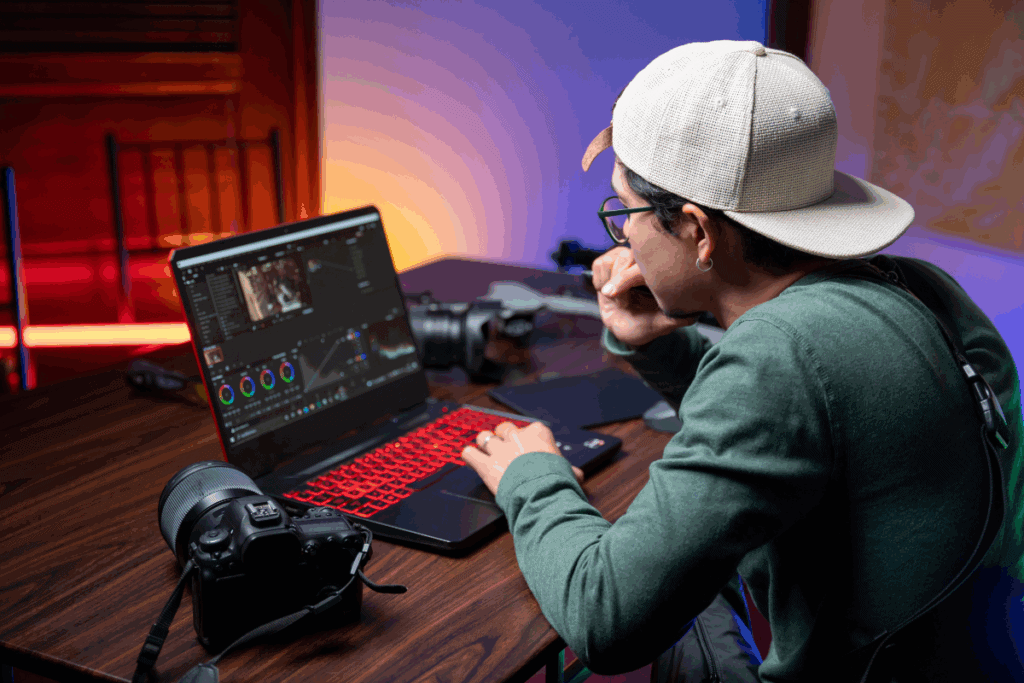
This domain includes graphic design, journalism, copy editing, video editing, and community moderation. Media professionals help tell a game’s story and maintain brand integrity. They’re crucial for both marketing campaigns and in-game content delivery.
Example Titles: Game Journalist, Video Editor, Copy Editor
Broadcast
Broadcast professionals handle live game events, esports coverage, and content streaming. Roles include camera operators, replay technicians, and sound engineers. With esports gaining popularity, broadcast expertise is in high demand.
Example Titles: Broadcast Producer, Replay Operator, Streaming Engineer

Competitive
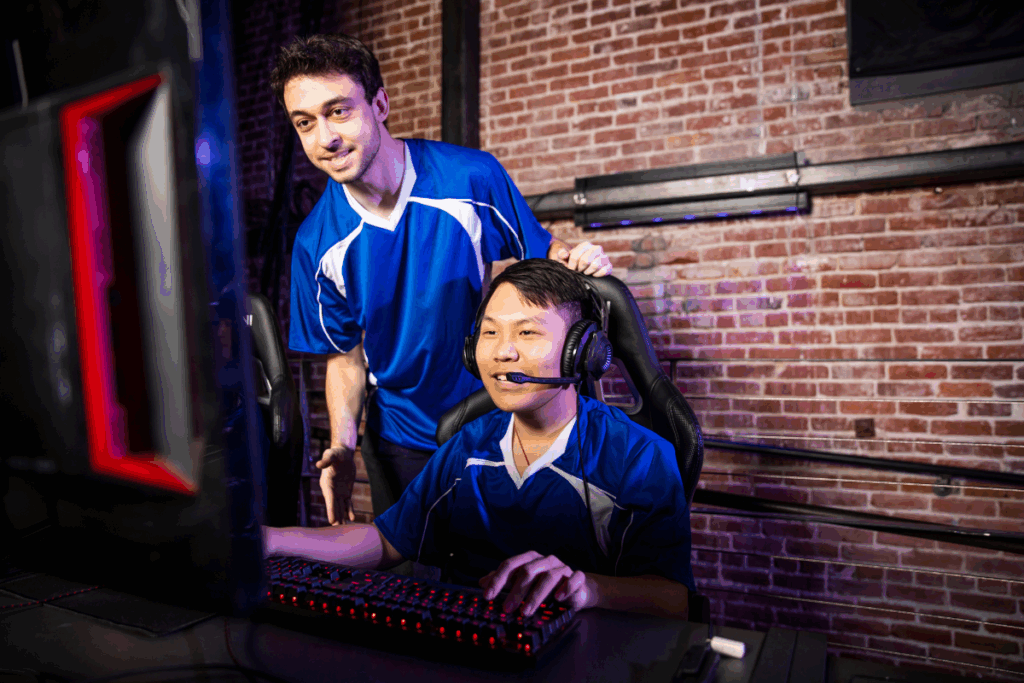
Competitive professionals manage esports teams, analyze gameplay, coach players, and oversee fitness and nutrition. They are instrumental in maximizing performance in professional gaming. Scouting, refereeing, and psychology are core elements of this field.
Example Titles: Esports Coach, Game Analyst, Referee
Finance & Legal
Finance and legal roles support the business side of gaming, covering accounting, auditing, payroll, licensing, and tax compliance. Professionals in this area ensure companies operate legally and profitably. Risk management and M&A are key areas for senior professionals.
Example Titles: Financial Analyst, Game Counsel, Compliance Manager

Human Resources (HR)
HR teams recruit, train, and support talent across game studios. They promote diversity, employee engagement, and wellness initiatives. As studios expand, effective HR strategies are essential for growth and culture building.
Example Titles: HR Business Partner, Talent Acquisition Specialist, Diversity Officer

IT
IT roles focus on cybersecurity, system administration, and network support. They maintain infrastructure, resolve tech issues, and ensure secure game development environments. This field is foundational to smooth studio operations.
Example Titles: IT Support Technician, Network Administrator, Cybersecurity Analyst

Research
Research professionals collect and analyze data to inform game development, marketing, and player experience. Academic and consumer research helps studios stay ahead of trends. Market insights shape product decisions and strategy.
Example Titles: Market Research Analyst, Data Scientist, Game User Researcher

Administrative
Admin roles offer organizational support through data entry, executive assistance, and office management. These professionals keep operations running smoothly behind the scenes. Facility support and reception roles are vital to studio efficiency.
Example Titles: Executive Assistant, Office Manager, Receptionist

Education
Education careers involve training future developers and gamers through curriculum design, teaching, and program management. These roles are essential for nurturing new talent and academic research in game development.
Example Titles: Game Design Instructor, Curriculum Developer, Academic Researcher

Events
Events teams organize conventions, esports tournaments, and in-game promotions. Roles include logistics, security, and hospitality coordination. They are key to building community and generating buzz around game releases.
Example Titles: Event Coordinator, Logistics Manager, Hospitality Supervisor

Marketing
Marketing professionals drive growth through branding, social media, influencer partnerships, and campaign strategy. They work on user acquisition, app store optimization, and content marketing. Creative and data-driven skills are essential in this competitive field.
Example Titles: Marketing Manager, Community Lead, Social Media Strategist

Commercial
Commercial professionals handle business development, partnerships, monetization, and retail operations. They focus on revenue generation through sales, ecommerce, and merchandising. Strong communication and negotiation skills are a must.
Example Titles: Business Development Manager, Sales Executive, Ecommerce Specialist