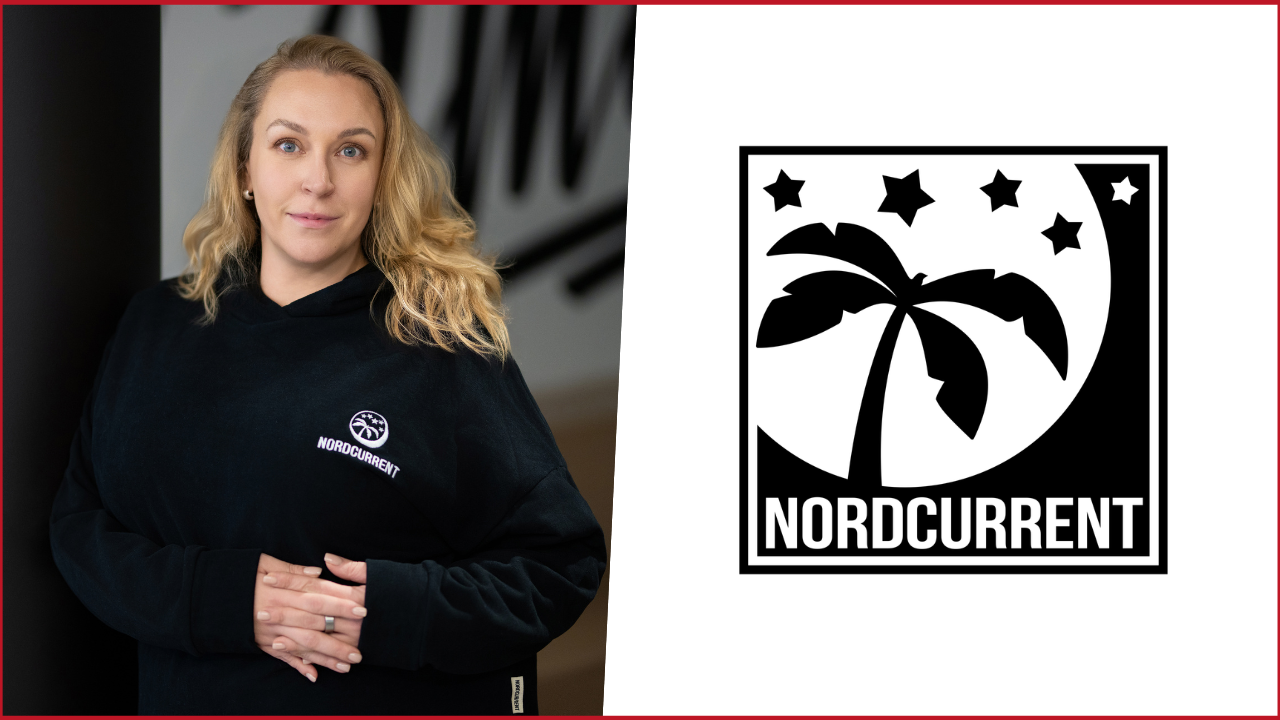

In this interview, Nordcurrent’s CMO Ada Mockute Jaime discusses how long-term trust, community insight, and player-first design drive Nordcurrent’s global strategy.
From regional differences in brand collaborations to the rise of micro-communities and the growing value of UGC, Ada offers a clear look at how mobile game marketing is evolving as we head toward 2026.
You joined Nordcurrent from the banking and consumer finance sectors. What parts of that background proved most useful once you started leading marketing for a mobile games portfolio?
My background in banking and consumer finance turned out to be incredibly useful because both industries force you to think in terms of long-term trust/retention, customer-centric design, and clarity of communication.
Banking teaches you a level of discipline with data and forecasting that becomes your default language. I didn’t try to reinvent marketing for gaming; I tried to understand the player with the same depth we used to understand customers in finance.
That shift – seeing the player as a relationship, not a metric shaped how I try to build our marketing approach. In many ways, the industries are different, but the fundamentals of growth, trust, and engagement are universal.
Can you explain what makes an ad feel like a genuine game experience rather than an intrusive ad? How do you find the balance for a player-first approach in-game branding?
In mobile gaming, players seek immersion, not interruptions. Any brand presence that disrupts this engagement immediately feels out of place. Relevance, reciprocity, and seamlessness are key to building player-first partnerships.
When a brand feels like a blatant billboard, players notice. But if it enhances the game’s fantasy like a fashion brand in a style game or a travel brand in an airport simulation, it feels authentic and enjoyable.
Reciprocity ensures players gain value, whether through a fun challenge, a satisfying level, or an immersive storyline. Seamlessness ensures the integration aligns naturally with the game’s pacing, tone, and visuals, so players never feel they’ve been shifted into an ad.
To achieve the right balance, marketers need to see players as participants, not impressions. Brands should focus on designing experiences, rather than merely placing ads to create memorable integrations with lasting impact.
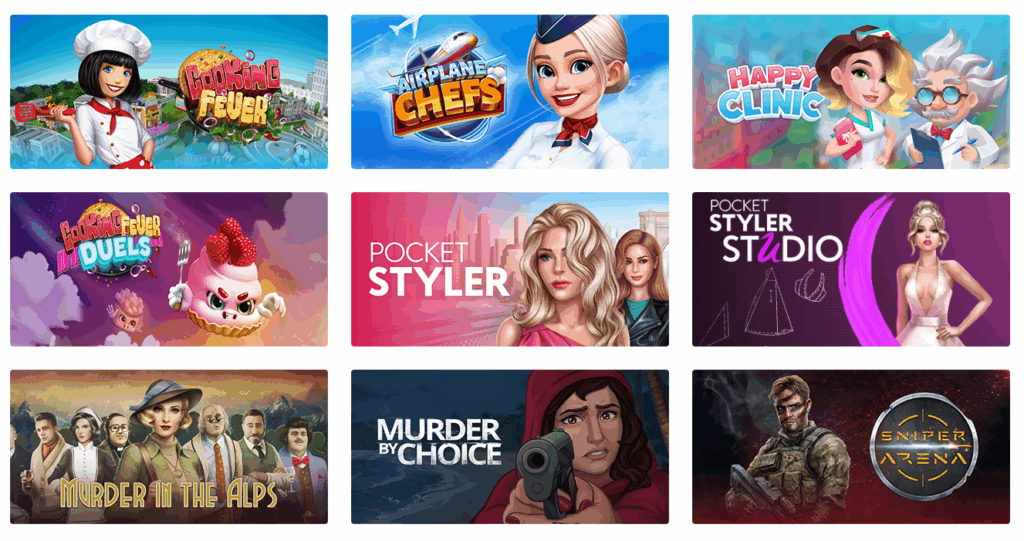
Nordcurrent operates across Europe, North America, and Asia. What are the biggest differences you see in how players in these regions react to brand collaborations in games?
Players react to brand collaborations very differently across regions, and the differences are more behavioural than technical.
In North America, branded experiences are familiar and welcome as long as they feel fun and add something to the gameplay – players enjoy the ‘I recognise this’ moment.
Europe is more selective; players there reward collaborations that feel authentic, well-designed, and organically integrated into the game world. Anything that feels overly commercial is noticed immediately.
Asia is the most dynamic market. Players actively look for novelty, limited-time events, and exclusive rewards, so collaborations can become part of the entertainment layer, not just the marketing layer.
The common thread everywhere is that the integration must respect the flow of the game, but the motivations differ: familiarity in the US, authenticity in Europe, and momentum in Asia.
When you look at Turkiye as a market, what do you see as the most overlooked opportunities for mobile brand partnerships?
Turkiye is one of the most mobile-first and socially expressive gaming markets in the world. Over 80% of Turkish gamers play on mobile, and the country consistently ranks among the top markets globally for daily hours spent in mobile games.
On the social side, Turkiye has more than 40 million active TikTok and Instagram users, and gaming content spreads here far faster than in many Western markets.
Another overlooked angle is the role of Turkish brands themselves. Many have strong cultural resonance and highly engaged audiences, yet they rarely explore partnerships in globally played mobile games, where they could reach both local players and the diaspora. A well-designed in-game experience can give a Turkish brand global visibility in a format that feels organic rather than forced.
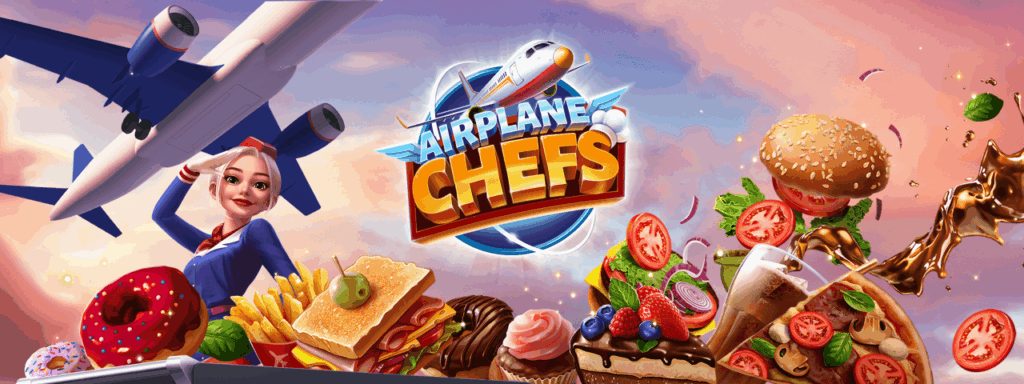
We sometimes joke internally that we’re still waiting for the day we can open a fully branded Turkish Airlines airport in Airplane Chefs. It would be one of the most natural partnerships imaginable and a reminder that, in a market this engaged and mobile-first, the right collaboration can travel much further than people expect.
Where do UGC and influencer marketing play a part in a game’s lifespan?
User-generated content (UGC) and influencer activity play a crucial role across a game’s entire lifecycle. Fan-made videos, artwork, or streams not only build community trust and loyalty but also often outperform traditional ads, continuing to generate impact well beyond the initial spend. Players may come for the gameplay, but they stay for the connections, creativity, and shared experiences within the community.
UGC also provides valuable strategic insight. For marketers, it’s a treasure trove: it highlights emerging player segments, rising creators, emotional triggers, friction points, and which narrative trends to lean into. In this way, UGC acts as an ongoing feedback loop that guides creative direction and messaging.
Where does AI genuinely add value in your workflows today, and where do you still insist on human judgment only?
AI accelerates trend discovery and creative production, while analytics help speed up decision-making. Yet technology alone isn’t the differentiator; emotional intelligence is!
Trusting your community, deciding on when and how they influence formats, crediting creators, and maintaining a consistent identity are what drive success. Combining human insight with AI creates an ecosystem where community, product, and marketing reinforce one another.
As you look ahead to 2026, what are the biggest shifts you expect in mobile game marketing, whether in channels, player expectations, or how brands work with games?
Community-first marketing is set to become a core part of brand strategy rather than a side initiative.
AI and social listening will increasingly guide real-time decisions, enabling brands to respond in faster and smarter ways.
We’ll see growth of micro-communities – creator pods, regional clusters, and power users – which will become key sources of advocacy and insights.
Short-form video and streaming will continue to dominate, with creators producing the most effective marketing assets.
The biggest shift will be from campaigns to creating ongoing relationships. Brands that engage authentically and nurture their communities continuously will be the ones that succeed.
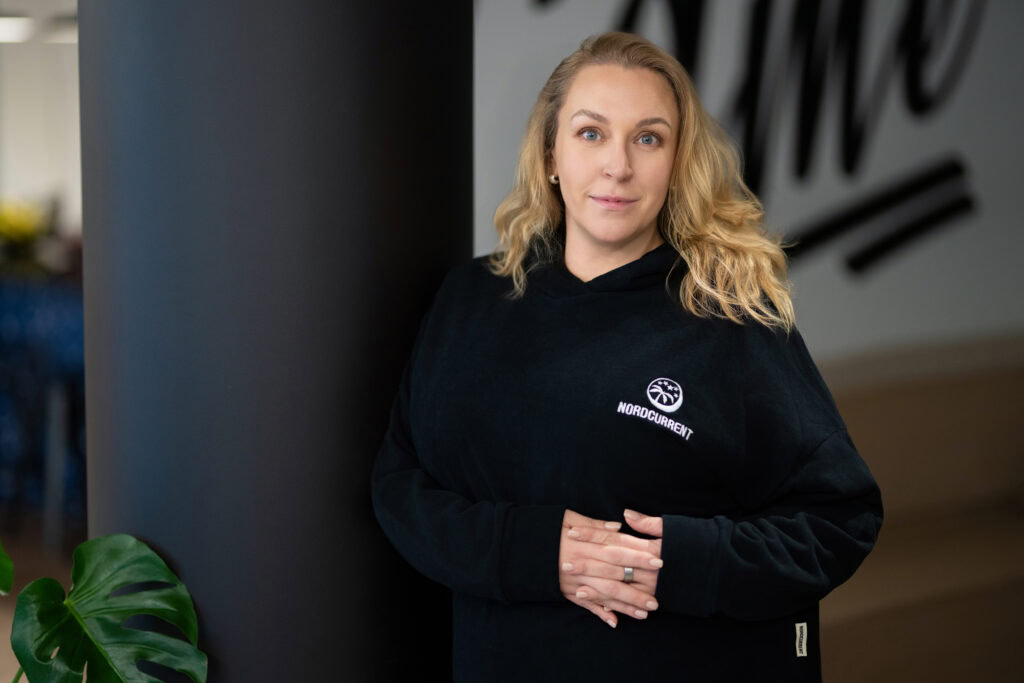
CMO at Nordcurrent