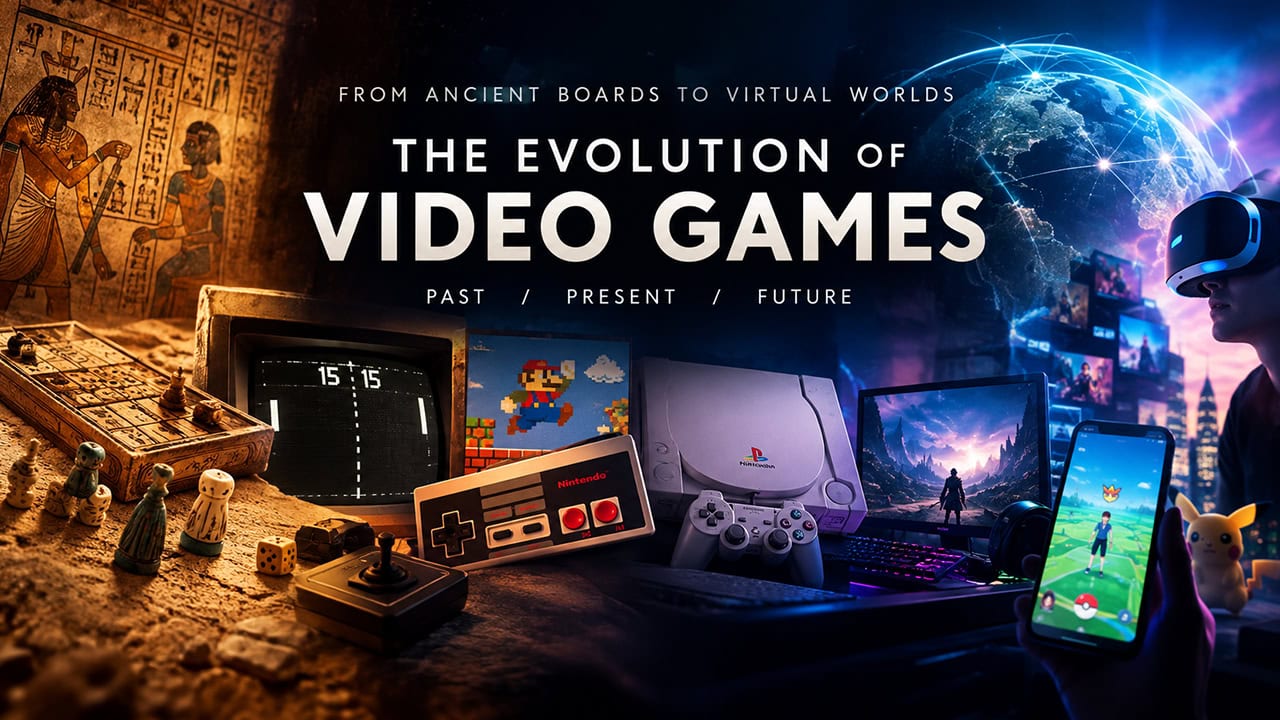

Hello everyone. 👋 This time, I am sharing a detailed exploration of how our gaming habits have changed from the past to the present. Understanding that journey also helps explain how games evolved from simple forms of entertainment into a global industry, changing not only how we play, but also how games are created, distributed, and monetized.
Think about it: around 5,000 years ago, people were already playing with carved stones and dice, and even leaving game boards in tombs. Today, the same curiosity continues on the phone in our pockets, with people playing in real time with others on the other side of the world. A lot has changed along the way: games moved from public spaces into homes, from homes to arcades, from arcades to the internet, and finally into the palm of our hands.
Our opponent is no longer only the person sitting across from us. It can be a team on another continent. Watching games has become a form of entertainment in its own right, and for many people, gaming now begins with a free-to-play mobile app. Once, players waited in line for a token. Today, millions of people can meet on the same server. We explore this transformation of gaming through historical periods, figures, and scientific findings.

The information below is based on broad research and a review of general sources. Some dates, figures, and interpretations may vary between sources. The aim is to provide a broad and detailed overview of how gaming has evolved rather than present every figure as absolute.
Ancient Times: The Birth of Games
One of the oldest known board games, Senet, dates back to Predynastic Egypt, around 3100 BCE. The Royal Game of Ur is known from boards dating to around 2600 BCE. According to Smithsonian Institution, this game has been represented by more than 100 examples found across a wide area stretching from Iraq to Crete, and it is considered one of the oldest possible ancestors of modern backgammon. The same source reported that carved gaming pieces made in southeastern Türkiye around 5,000 years ago were discovered in 2013 and were described at the time as the world’s oldest gaming pieces.

Games in this period were not only forms of entertainment. Senet is often interpreted as a game symbolizing the journey into the afterlife. The depiction of Queen Nefertari playing Senet in her tomb suggests how highly the game was regarded within royal circles as well. Many Royal Game of Ur boards also have a Senet board on the reverse side, and some were accompanied by small compartments for storing dice and game pieces. According to Sky HISTORY, the Jewish community in Kochi, India, continued to play the Royal Game of Ur until the 1950s.

From the Middle Ages to the Industrial Age: Games Spread and Become Products
Chess emerged from chaturanga in India around the 6th century CE and reached Europe through Persia and the Islamic world. Playing cards traveled from China to Europe and were documented on the continent by the 14th century. Throughout the Middle Ages in Europe, classic games such as chess, checkers, and backgammon became established and widespread.
The rules of chess also evolved during this period. The modern powerful moves of the queen and bishop became widespread toward the end of the 15th century. By the late 19th century, games had become mass-produced products made in factories, while the late 19th and early 20th centuries saw a major expansion of commercial board games.
Monopoly is one of the most famous legacies of this period. Its origins go back to Lizzie Magie’s 1904 Landlord’s Game, while the modern commercial version dates to Parker Brothers in 1935. Magie designed her game to demonstrate the economic consequences of land monopolies, showing that games could serve purposes beyond simple entertainment.

The Digital Birth (1958-1983): The Screen Enters the Picture
In 1958, Tennis for Two, followed by Spacewar! at MIT in 1962, became among the earliest screen-based games, documented by the Computer History Museum. In 1972, the Magnavox Odyssey became the first commercially available home video game console, while Atari’s Pong became an icon of arcades. It was followed by the Atari 2600 in 1977, Space Invaders in 1978, and Pac-Man in 1980.

Tennis for Two was created by physicist William Higinbotham for the visitor day at Brookhaven National Laboratory. Spacewar! was developed by Steve Russell and his colleagues on the PDP-1 computer at MIT and later spread to other computer laboratories.
The arcade prototype of Pong was tested in a California bar in 1972, and the game’s simplicity quickly attracted significant interest. The video game crash in the United States in 1983 revealed the limits of this first major growth wave and led to a significant contraction in the industry.

Console and Portable Era (1985-2000)
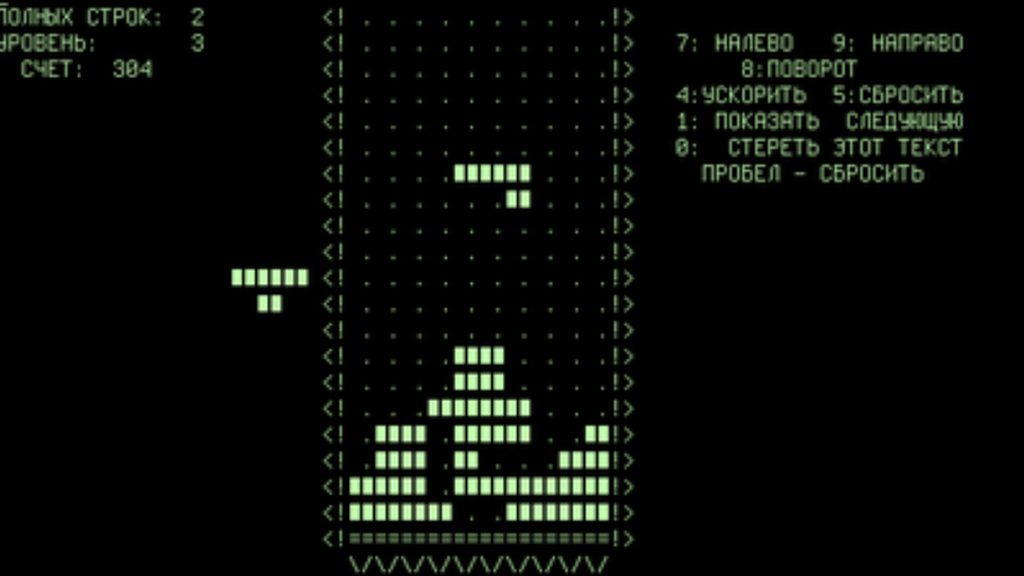
Nintendo‘s NES launch in the United States in 1985 helped revive the industry. Super Mario Bros. (1985) and Tetris (written in 1984 and widely distributed globally with the Game Boy in 1989) became symbols of the era.
Tetris was created in Moscow by Soviet computer engineer Alexey Pajitnov. Its inclusion with the Game Boy played a major role in making the game known around the world. Super Mario Bros. was designed by Shigeru Miyamoto and became one of the defining symbols of the NES’s lasting success.
The PlayStation, released in Japan in 1994, helped bring 3D gaming and a broader adult audience to the console market. The console emerged after Sony’s planned collaboration with Nintendo on a CD-ROM system failed to produce the intended result, leading Sony to develop its own platform.
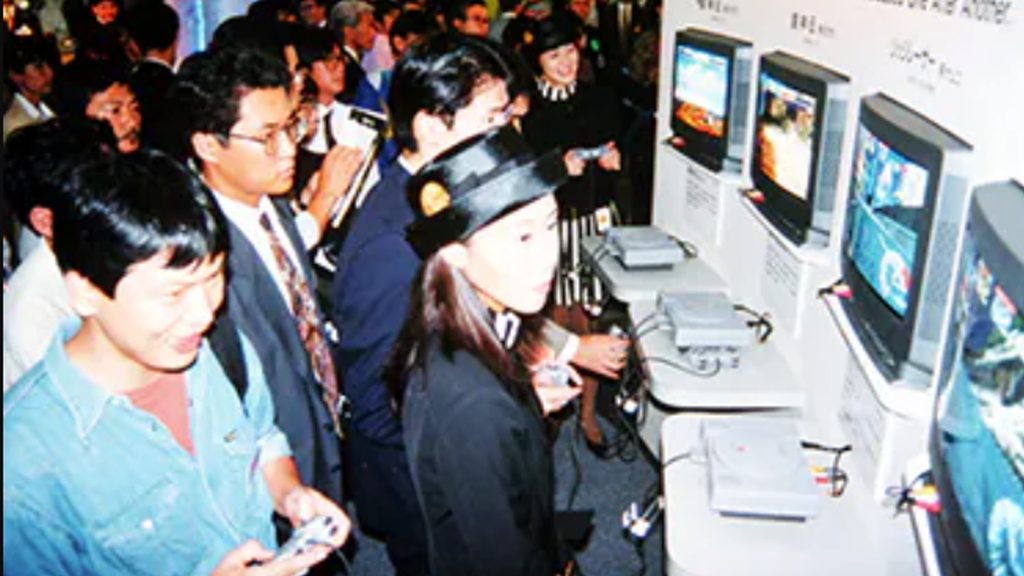
Games had now become central to the home, while portable devices were also beginning to bring gaming into people’s pockets.
The Online Era (2000-2010): Games Become Social Networks
Xbox Live (2002) and Steam (2003) helped popularize online gaming and digital distribution. Massively multiplayer worlds such as World of Warcraft (2004) created persistent social spaces, and WoW’s subscriber base reached roughly 12 million in 2010.
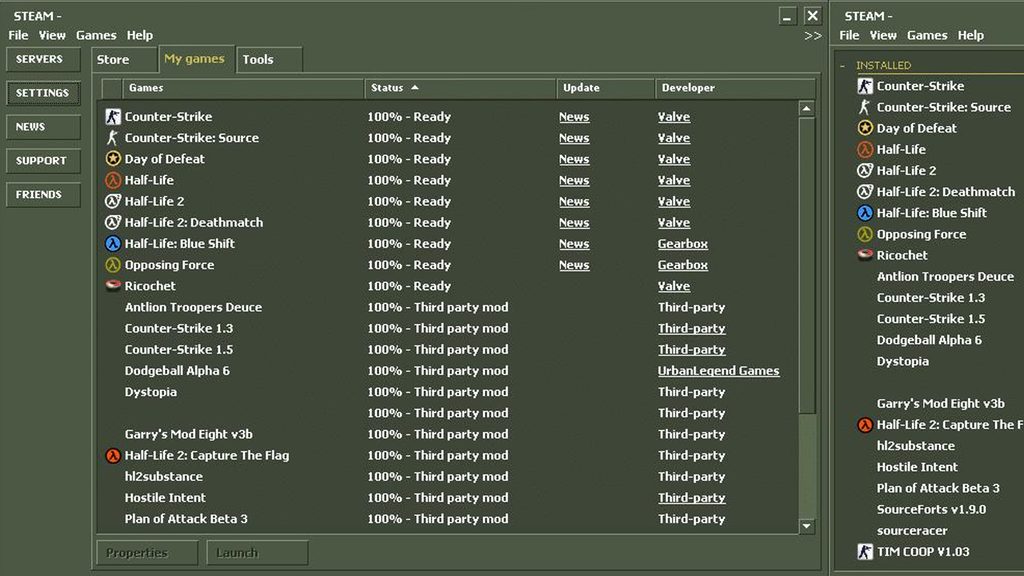
In South Korea, internet cafes known as “PC bangs” and games such as StarCraft helped create the foundations of professional esports culture. Steam was initially developed as a tool for Valve corporation to update its own games, and later evolved into one of the major digital storefronts for PC gaming.
In South Korea, StarCraft tournaments were broadcast on television, and professional players became recognizable public figures. In MMOs, players formed guilds and worked together on missions that could continue for weeks, creating persistent online communities on a new scale.

The Mobile and Social Era (2007-2016)
The iPhone arrived in 2007, followed by the App Store in 2008, bringing games into almost every pocket. FarmVille (2009), Angry Birds (2009), and Candy Crush (2012) helped bring millions of people who had not previously identified as gamers into the market.
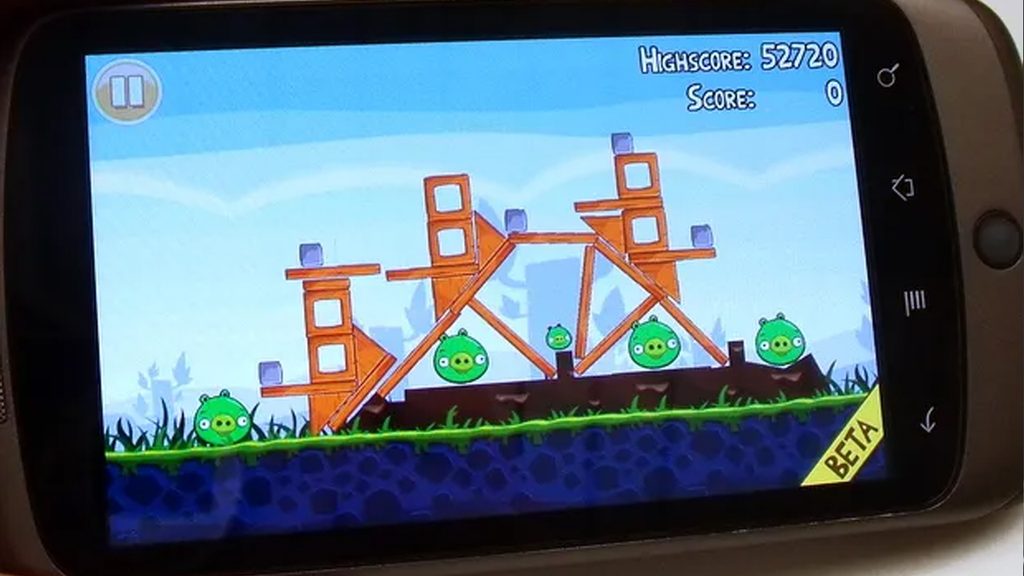
Angry Birds was developed by Finnish studio Rovio and made particularly effective use of simple touch-based controls. Twitch, founded in 2011, transformed game watching into a major form of entertainment. Amazon acquired the platform in 2014 for approximately $970 million. Twitch grew out of the gaming category of the live-streaming platform Justin tv.
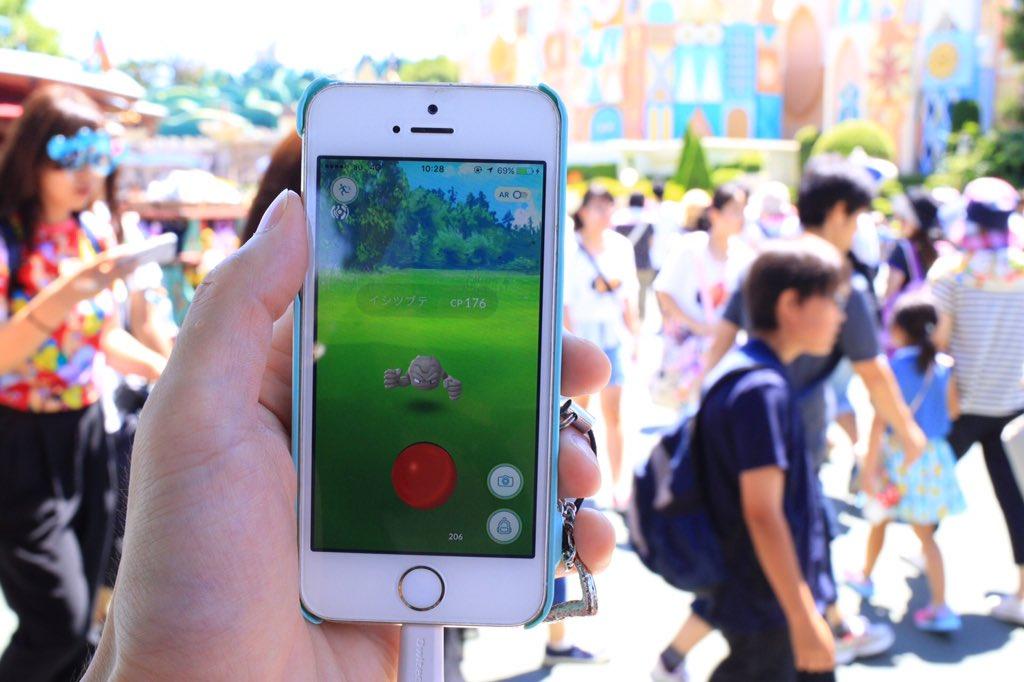
Pokémon GO (2016) brought games back into the streets. Developer Niantic combined augmented reality with real-world movement, encouraging players to explore their surroundings.
Today’s Global Picture
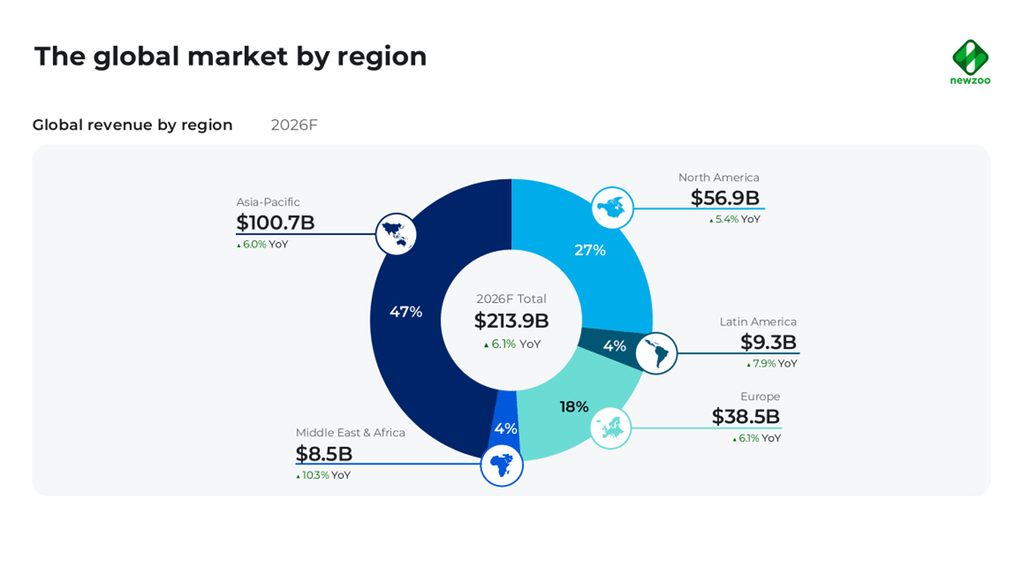
According to Newzoo‘s 2026 report, the global games market is expected to reach $213.9 billion in 2026, with 3.70 billion players and 1.65 billion paying players. To put these numbers into perspective, Newzoo’s 2020 estimate was $159.3 billion in revenue and 2.69 billion players, while the market reached $201.6 billion in 2025, surpassing $200 billion for the first time.
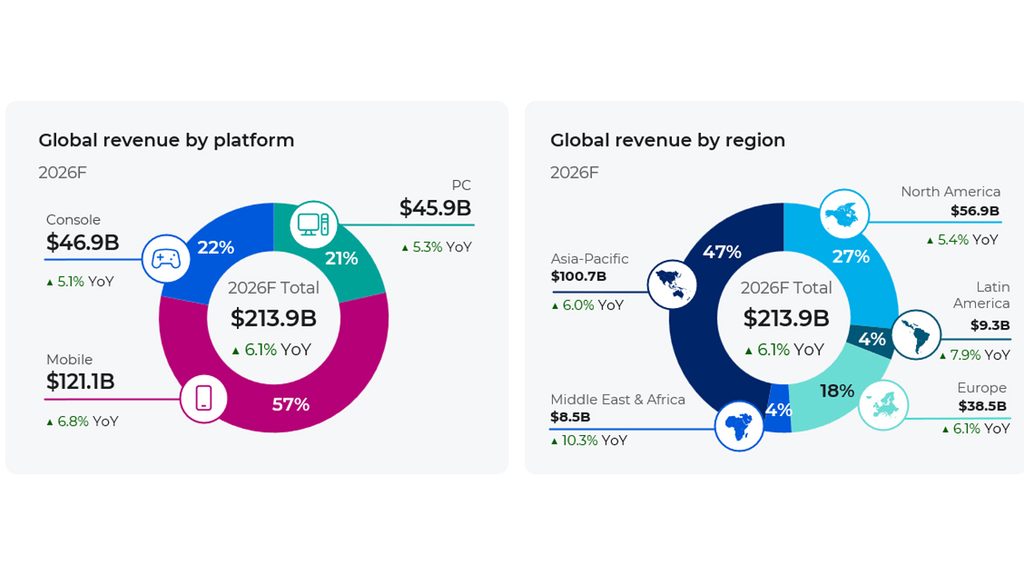
Looking at platforms, mobile is the largest platform with $121.1 billion in revenue, representing 57% of the market, and 3.10 billion players. PC accounts for $45.9 billion and 977 million players, while consoles generate $46.9 billion with 651 million players.
The Asia-Pacific region accounts for $100.7 billion, or approximately 47% of global revenue, and is home to 1.94 billion players. China and the United States together account for 52% of consumer spending.
Changing Player Profiles and Habits
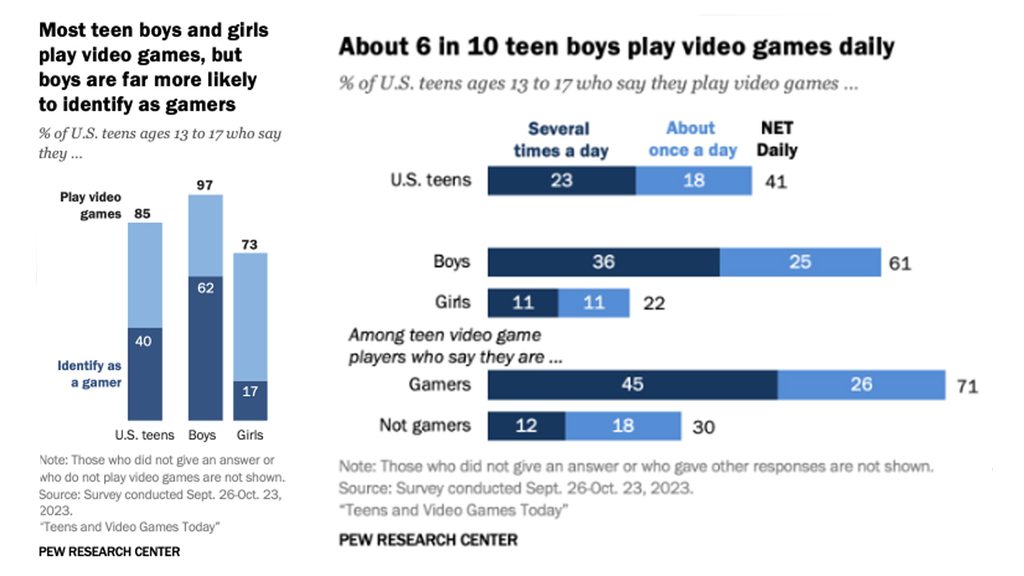
According to a 2023 Pew Research Center survey of teenagers aged 13 to 17 in the United States, 85% play video games and 41% play every day. Some 97% of boys and roughly three-quarters of girls play video games. Among teenagers, 62% of boys describe themselves as “gamers”, compared with 17% of girls.
Among U.S. teens, 73% play on a console and 70% play on a smartphone. Among those who play video games, 89% play with other people, and 47% say they have made an online friend through gaming. These findings show that, particularly among young people in the United States, gaming has become an important space for social interaction.
According to Niko Partners, gaming time is also increasing. Chinese players averaged 14.1 hours of gaming per week in 2025, rising to 15.8 hours in 2026.
The Scientific Contributions of Gaming
A 2014 review by Granic, Lobel, and Engels published in American Psychologist organized the potential positive effects of video games into four areas: cognitive, motivational, emotional, and social.

A meta-analysis by Bediou and colleagues published in Psychological Bulletin reported that action video games can produce positive effects in areas such as higher-level attention and spatial cognition. The authors also emphasized that not all types of games produce the same effects.
In a 2021 study, researchers from the University of Oxford used actual gameplay records obtained from game companies and found a small positive association between time spent playing and emotional well-being. The study did not establish that gaming itself caused the improvement.

Medicine has also seen a notable development. On June 15, 2020, the U.S. Food and Drug Administration authorized the marketing of EndeavorRx, a game-based treatment designed to improve attention function in children aged 8 to 12 with ADHD, based on five clinical studies involving more than 600 children.
Tomorrow: The Future of Gaming
Newzoo’s 2026 report projects that global game revenue will reach $242.8 billion in 2029, while the number of players is expected to reach approximately 4.07 billion.
The nature of growth is also changing. Player growth is expected to slow from 4.4% in 2026 to around 3.2% annually by 2029. This means that in the future, the industry’s focus may shift from simply finding new players toward building deeper relationships with existing players and retaining them.
The same report identifies the Middle East and Africa as the fastest-growing region in 2026, with around 640 million players, and notes that the November 2026 release of GTA VI could be an important driver of growth for the console market and the wider industry.

According to Niko Partners‘ 2030 projections, China’s game revenue is expected to increase from $53.9 billion in 2026 to $59.8 billion in 2030, while its player base is projected to reach 769 million. India is projected to reach more than 700 million players, Southeast Asia is projected to reach $7.01 billion in revenue, and the MENA-3 market, consisting of Saudi Arabia, the United Arab Emirates, and Egypt, is projected to reach $2.94 billion. Annual spending per player in the UAE is expected to approach $100.
Niko Partners identifies AI integration, out-of-app monetization, and government regulation among the major themes likely to shape the next five years.

According to the GDC Festival of Gaming 2026 State of the Game Industry survey, 36% of industry professionals use generative AI tools in their work. At the same time, there is still no common consensus across the industry about how these technologies should be used.
All of these figures are projections and should be treated accordingly. However, the direction suggested by current data is clear: gaming may continue expanding into new regions, building deeper relationships with existing players, and making greater use of AI-supported production processes in the coming years.

If you would like to discuss the current face of this transformation with leading figures from the industry, Mobidictum Conference 2026 will take place in Istanbul on October 7-8. The event will bring together more than 2,500 game professionals from over 65 countries and will feature sessions, publisher and investor meetings, and opportunities for new business collaborations.

You can support our work by liking this article and sharing your thoughts with us. 👍
Follow us to stay informed about the gaming industry. 🔔
I am always open to connecting with people and teams working across the gaming industry. If you are exploring new projects, collaborations, or professional opportunities, feel free to get in touch. 🤝