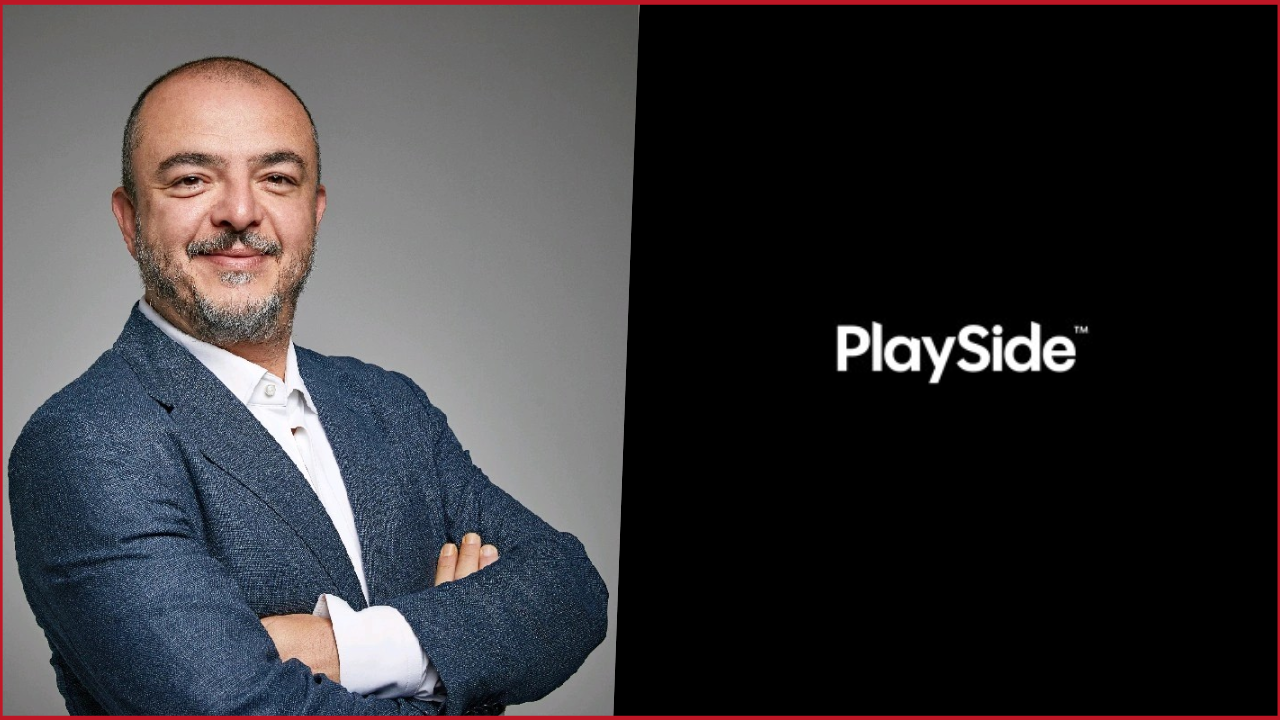

Ozgur Ozalp discusses how PlaySide Studios plans to grow across MENAT, from partner selection to full-cycle development support.
Ozalp also highlights Türkiye’s strengths in mobile—and the practical steps he believes can help the region ship higher-quality PC and console titles.
What motivated you to take on this new role at PlaySide Studios, and what made PlaySide the right next step for you?
My decision to join PlaySide Studios was sparked during a strategic dialogue with CEO Benn Skender. What began as a standard interview evolved into a collaborative working session centered on regional expansion, specifically the untapped potential of the MENAT region for our external development services. I was immediately struck by the organization’s boldness and agile methodology.
Beyond the leadership vision, I have a deep-seated belief in the studio’s pipeline. Projects like MOUSE: P.I. For Hire resonate with me through their nostalgic art direction, while Game of Thrones: War for Westeros offers a refreshing, sophisticated take on the RTS genre.
Throughout my career at Epic Games and Riot Games, my primary driver has always been a fundamental belief in the product; I see that same transformative potential here at PlaySide.

What are your core objectives across MENAT?
The MENA region’s game development scene is nascent. While there have been high-profile global acquisitions by entities in KSA, the local development environment is still in an early, growing phase.
Most studios are founded on a single leader’s vision and rely primarily on regional talent. Although this local talent is incredibly passionate and developing rapidly, its current level of product and development expertise does not yet match more mature regions like Eastern Europe, China, Korea, or APAC.
In comparison, Türkiye has a more established gaming industry than MENA countries. However, it still faces its own unique obstacles when measured against highly developed markets, such as local challenges related to taxation, income levels, and broader socio-economic factors that can impede the creativity of game developers. Furthermore, the Turkish development environment is heavily focused on mobile gaming.
We aim to leverage this landscape as an opportunity to share our extensive know-how and experience.
Specifically, for Türkiye, while we plan to offer our expertise in co-development, end-to-end development, and QA services, we are also keen to support the growth of the PC, console, and AR/VR development sectors to help bring high-quality and highly engaging products to market.
By sharing our experience, we can help local entities accelerate their growth, gain crucial experience, and maintain a focus on product quality.
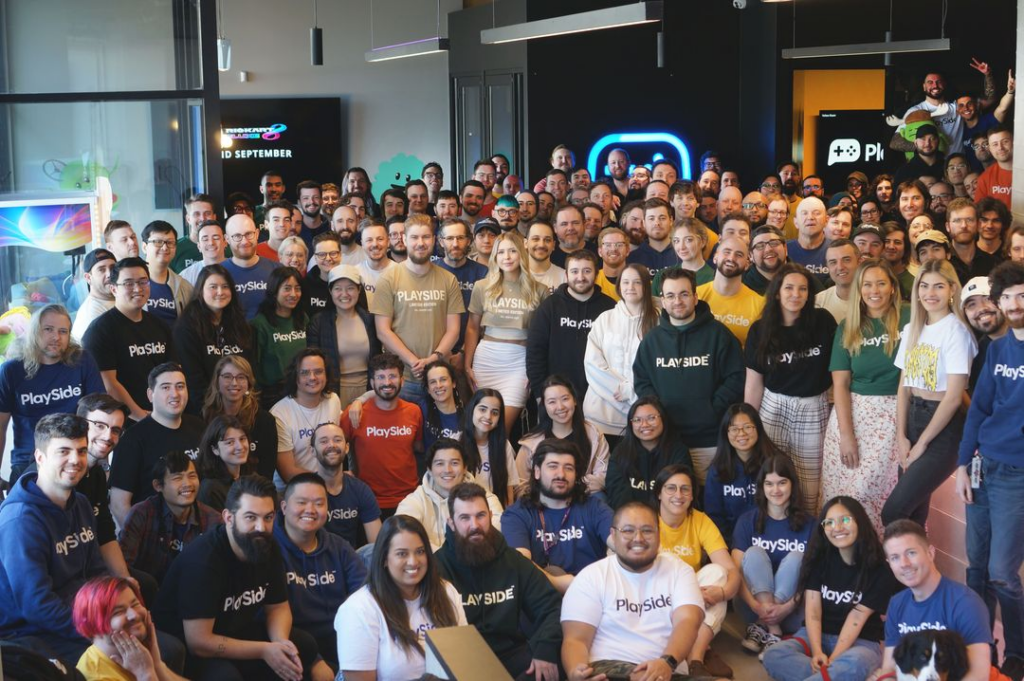
Source: PlaySide Studios
What is your approach to sourcing and evaluating partners in MENAT, and what does an ideal partner profile look like for PlaySide?
Our ideal partners are development studios with a clear vision for the game that they want to bring to life. As a co-development and end-to-end development partner for some of the largest game studios in the mobile, PC/Console and VR/AR space, we have nearly twenty years of experience with assisting the creative and commercial goals of our clients.
We want partners who fit with what we already do from Australia, but who also understand the local market here and bring new ideas to help us grow. Mobile is still the biggest part, with lots of players, but PC and console are growing fast too, especially with better internet and support in places like Riyadh, Abu Dhabi and Dubai.
For publishing original games, we like smaller or mid-sized studios (5–50 people) that have already released good casual, mobile, mid-core, or PC/console titles. They should know what local players like, handle things like Arabic versions well, and want to reach players around the world. For example, a Turkish studio with strong hyper-casual or action games, or a team from the UAE or Saudi with fresh ideas.
For co-development or work-for-hire jobs, we prefer bigger teams (50+ people) who are good with Unity or Unreal, have some experience in AI, VR, or making games work across platforms.
The best partnerships work both ways: we help local studios reach players everywhere, and they help us take advantage of how big and active the MENAT gaming scene is across mobile, PC, and console.

What is the most pressing capability gap in MENAT today, and which PlaySide strengths map most directly to it?
One significant shortcoming is the insufficient experience in the product and delivery cycles necessary to achieve global success. Although many studios favor keeping all development in-house, this often results in missed targets or extended deadlines, whereas these can be overcome using co-development or even full-scale external development to break this cycle.
PlaySide has nearly 20 years of experience helping AAA studios, entertainment and technology companies with outsourced and end-to-end development which I think can be helpful to studios in the region looking to bring their titles to launch.
Another main challenge lies in the technical “kitchen work,” specifically the deprioritization of Quality Assurance (QA) in many studios, especially in the MENA region. QA is a crucial function for any studio, as it acts as a resistance test against the tendency to become “product-blind” during the development cycle.
Currently, QA is often neglected compared to other technical aspects of a game studio, frequently being handled by company stakeholders or even solely by the founder. This is a common point of failure.
By offering our services, we aim to significantly improve the technical capabilities of these studios, improving the quality of end-product, increase know-how on how to handle big projects and ultimately saving them considerable time and money.
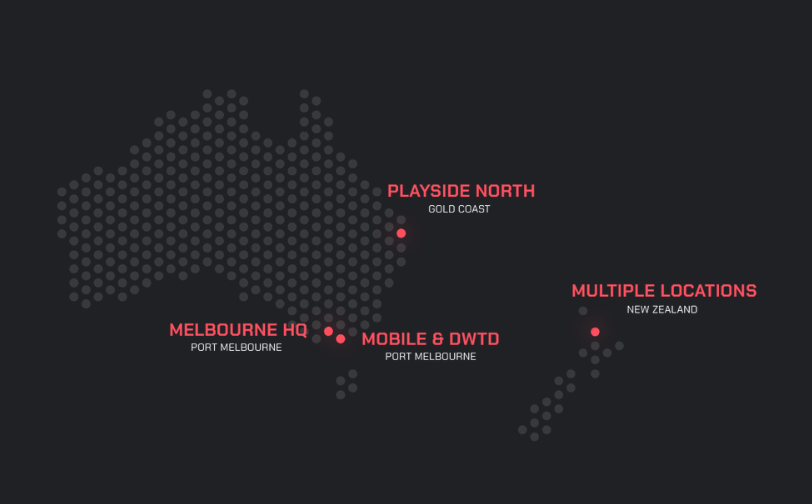
Source: PlaySide Studios
With Türkiye as a key market within your MENAT scope, what stands out to you about the local ecosystem today, and where do you see the most meaningful opportunities for PlaySide?
Türkiye is a shining star in the region, particularly for mobile gaming, with many successful and well-developed mobile studios demonstrating strong results. However, the PC and console sector lags behind; while one or two games may be “globally acclaimed,” the overall quality does not yet match developed markets.
This quality gap is partly due to a common issue seen across the MENA region, including Türkiye: the tendency to start projects without adequate Research & Development.
Furthermore, while production cycles are generally driven by product and development capabilities, essential aspects like Quality Assurance (QA) and testing are frequently deprioritized.
Finally, the problem of “being product-blind” persists, meaning there is often no objective “second or third eye” to assess the product’s global market potential or help elevate the technical environment.
These identified weaknesses represent meaningful opportunities for us.

Over the longer term, how would you like PlaySide’s presence across MENAT to evolve, and what would success look like for you personally in this role?
Our core activities will center on full-cycle game development, co-development across PC, Console, Mobile, and AR/VR platforms, and providing QA and porting services for PC, Console, Mobile, and AR/VR.
I will consider our efforts a success if a title of the caliber of something like Black Myth: Wukong, Clair Obscur: Expedition 33 or The Witcher emerges from the MENAT region, and if we have contributed in any way to that achievement, acting as a part of the solution to realize this vision.
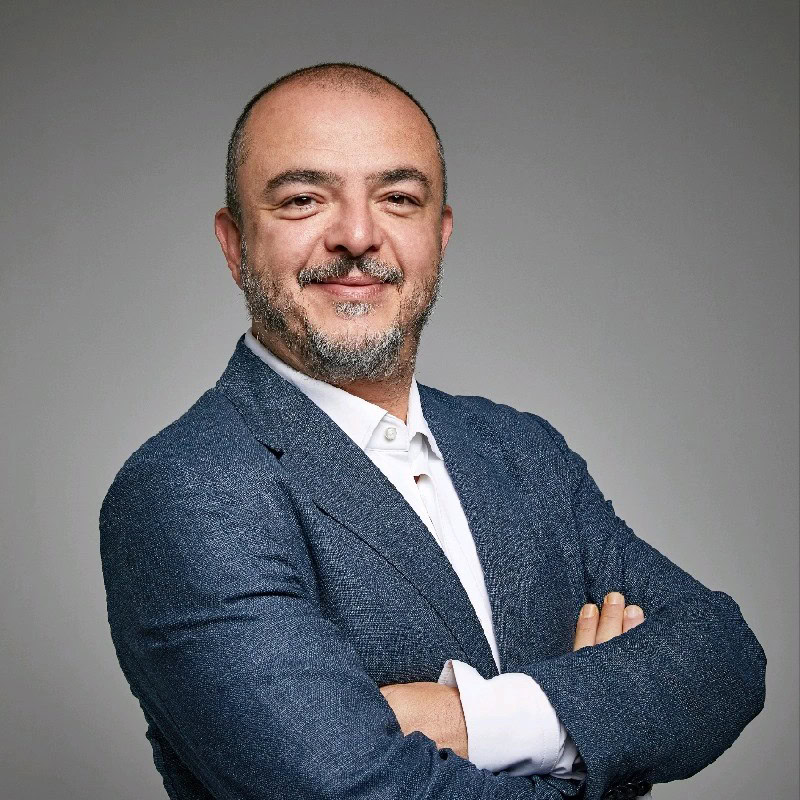
Executive VP of BD (MENAT) @PlaySide Studios