
Jaroslav Stacevic, Head of Studio at Nordcurrent, explores how the definition of prestige in game development is shifting.
While AAA games continue to dominate in scale and commercial reach, independent and AA studios are increasingly driving creative innovation through stronger artistic vision, faster decision-making, and a greater willingness to take risks.
Drawing on his experience leading game development teams, Stacevic examines why cohesive design and clear creative intent have become more valuable to players than ever before.
Is AA setting the new bar for prestige?
“AAA” used to mean creative and technical frontier-pushing in the gaming industry. AAA games were ambitious games. The very designation reflected vast production resources and technical leadership that produced major scale and cinematic presentations. And then something changed.
Cultural resonance became divorced from pure scale and sky-high visual fidelity, along with the massive budgets that enabled it. Artistic identity came to the fore, and the long democratization of development tools beget a reality where independent studios aren’t just a novelty or a niche element of the industry. They are, it appears, starting to replace AAA studios as the industry’s primary engine of prestige, much like private independent film studios like Neon or A24 are now lauded as champions of original cinema.
AAA has lost some of its sexier associations, bogged down in lengthy production cycles and franchise maintenance. These games are victims of their own success. Under intense monetization pressure, risk management becomes the highest priority. Design decisions filter through multiple layers of approval. The experimentation that is tolerated skews away from big swings and into safer territory: larger worlds, more content, incremental mechanical iteration, and iterative graphical improvement. An eye-watering budget isn’t a blank check but a straitjacket—the game is simply not allowed to fail. Design inevitably narrows in response.
The more AAA a game, the less its developers are willing (or even permitted, let alone encouraged) to take meaningful creative risks. This produces AAA stagnation and fan frustration, especially given the price tag.
Small teams preserve intent better than large organizations
The problem isn’t solely that there are too many cooks in the kitchen, but that there are too many restaurant managers lording over the menu. The fewer layers there are between idea and execution, the more likely artistic intent is to survive from concept to final build. Developers at indie and compact AA studios spend less time convincing higher-ups, and those higher-ups are closer to the developers.
We have modern tools to thank for this compression. The structural advantage AAA publishers enjoyed has narrowed significantly. Engines like Unreal Engine and Unity, middleware ecosystems, digital storefronts, early access models, crowdfunding, and direct-to-audience marketing have all reduced the barriers to entry. Small teams with great ideas are no longer automatically sidelined. They can’t match AAA in scale or content volume, but they can achieve comparable levels of polish and presentation. Their artistry is more accessible than ever.
This artistry is expressed through mechanics, pacing, and aesthetic direction, and in smaller teams, any one of these elements is less likely to fragment across departments optimizing for different goals. Alignment around a shared vision prevents the kind of dilution that happens when everything is a negotiation between competing internal priorities. This serves to produce a game that feels cohesive and coherent, united by a single artistic vision that hasn’t been wrung out by an aggregate of compromises and a tangle of existing copyrights.
The players are always right
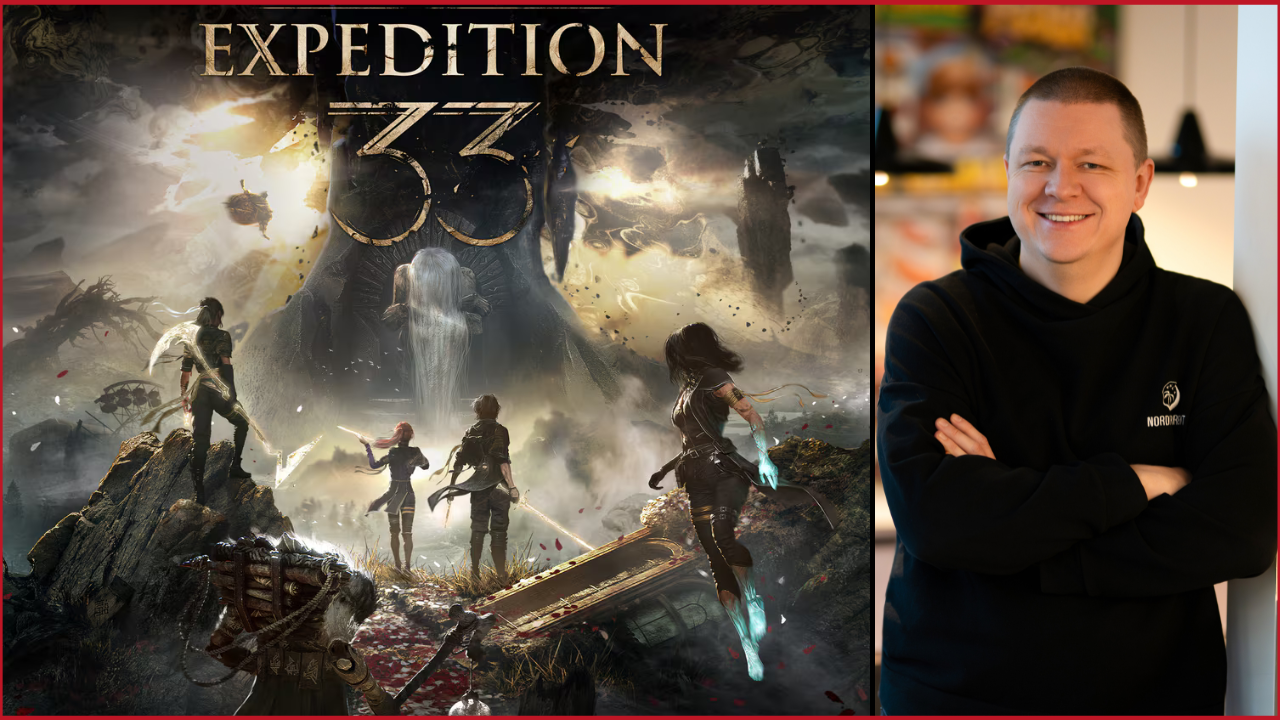
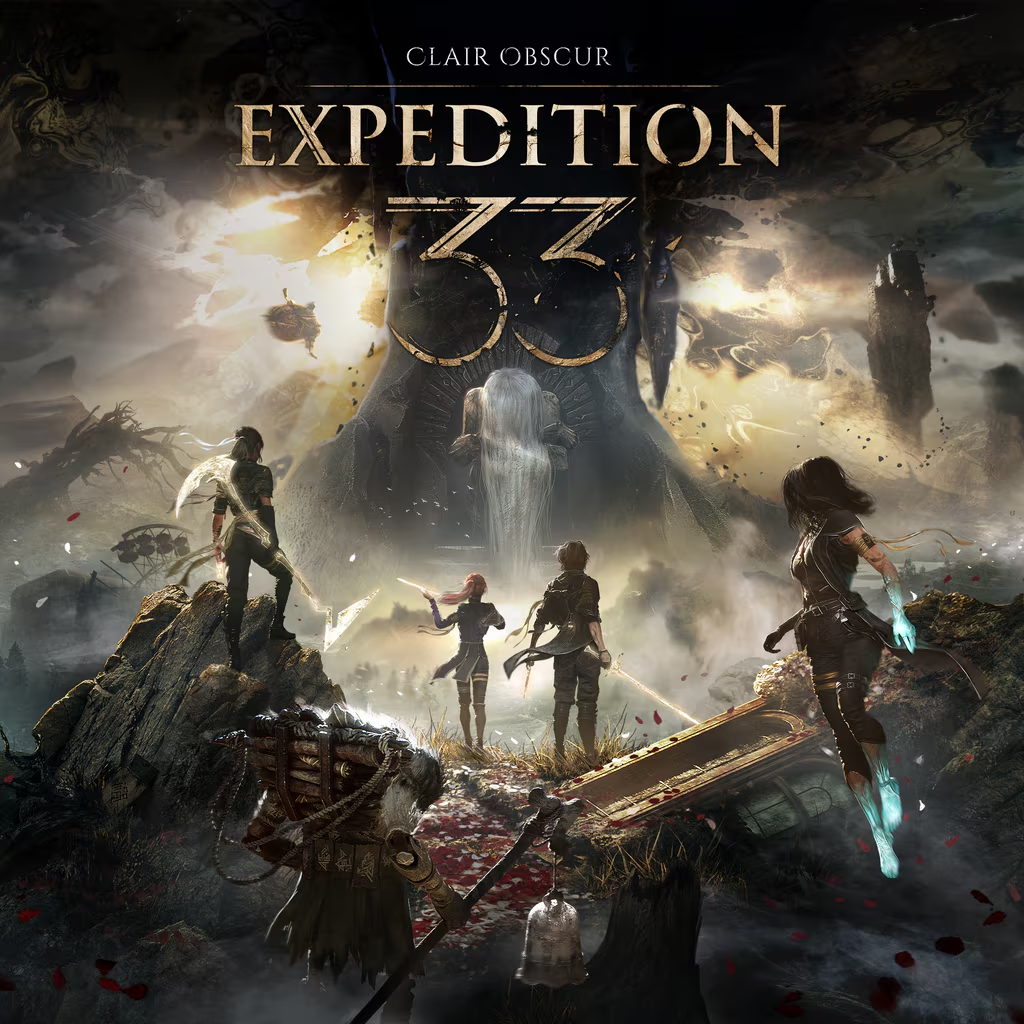
Modern game culture is a deeply creatively literate one, which is to say that players can always tell when a game was designed by committee. This explains much of the outsize success of indie games like Balatro, Hollow Knight and Silksong, Blue Prince, Schedule I, and Clair Obscur: Expedition 33.
These titles resonated not because they are the most technically advanced, but because they feel authored and original, and made with serious intention.
Whatever the debates about modern attention spans, players actually aren’t just looking for the biggest, brightest, whiz-bang title. They’re looking for a recognizable sense of creative intent, and systems that are expressive as opposed to merely functional. Art direction, mechanics, and tone are links in a larger chain, not in competition with one another. A coherent game will be enjoyed and, even more importantly, trusted by players. Players want to play a game that knows what it’s doing.
This has driven a mini-exodus from AAA games, with a sense of authorship that feels beholden to multiple stakeholders optimizing for different definitions of success. This is not to say that AAA games have taken some shocking nosedive in terms of overall quality, only that intent is harder to locate within them. Indie games, necessarily constrained by resources, are the product of strict prioritization, and this produces sharper games with stronger design identities.
Indie as ground zero for genre evolution
The most important mechanical innovations in modern gaming originate predominantly in indie spaces. Roguelikes, deckbuilders, survival crafting loops, cozy simulation games, extraction-inspired systems, and experimental narrative structures have all been pioneered by smaller teams before being adopted by larger studios.
AAA is a force for standardizing this innovation—at least once proven commercially viable by those same indie studios. Experimentation flows upward, and it’s reshaping prestige with it.
Production scale is no longer synonymous with prestige. A clear, cohesive artistic identity is the new standard for prestige. Making a big game isn’t the marvelous accomplishment it used to be. Making a game that understands itself and its players, with every element working in concert, is far more impressive. Discernible authorship matters, now more than ever. Specificity, point of view, even a lack of polish—these are what players are increasingly drawn to within a game.
No one is predicting some great industry-wide upset. The long-awaited announcement of GTA VI very predictably broke the internet earlier this summer. AAA will of course continue to dominate in scale, market share, and marketing power. But on the creative front, independent AA teams that don’t have to sacrifice artistic intent for workable scale are emerging again and again as winners. Games like Clair Obscur: Expedition 33 illustrate this model of premium execution combined with unified vision, and players clearly want them.
If AAA represents industrial scale and indie represents pure authorship, AA may become the synthesis that shapes the next era of the medium. It may force AAA studios to be ambitious again or it may not, but it’s going to produce some very exciting games either way.

Head of Innovation / Producer at Nordcurrent