
By Daria Berdnikova, Senior Director, Sales EMEA, Coda
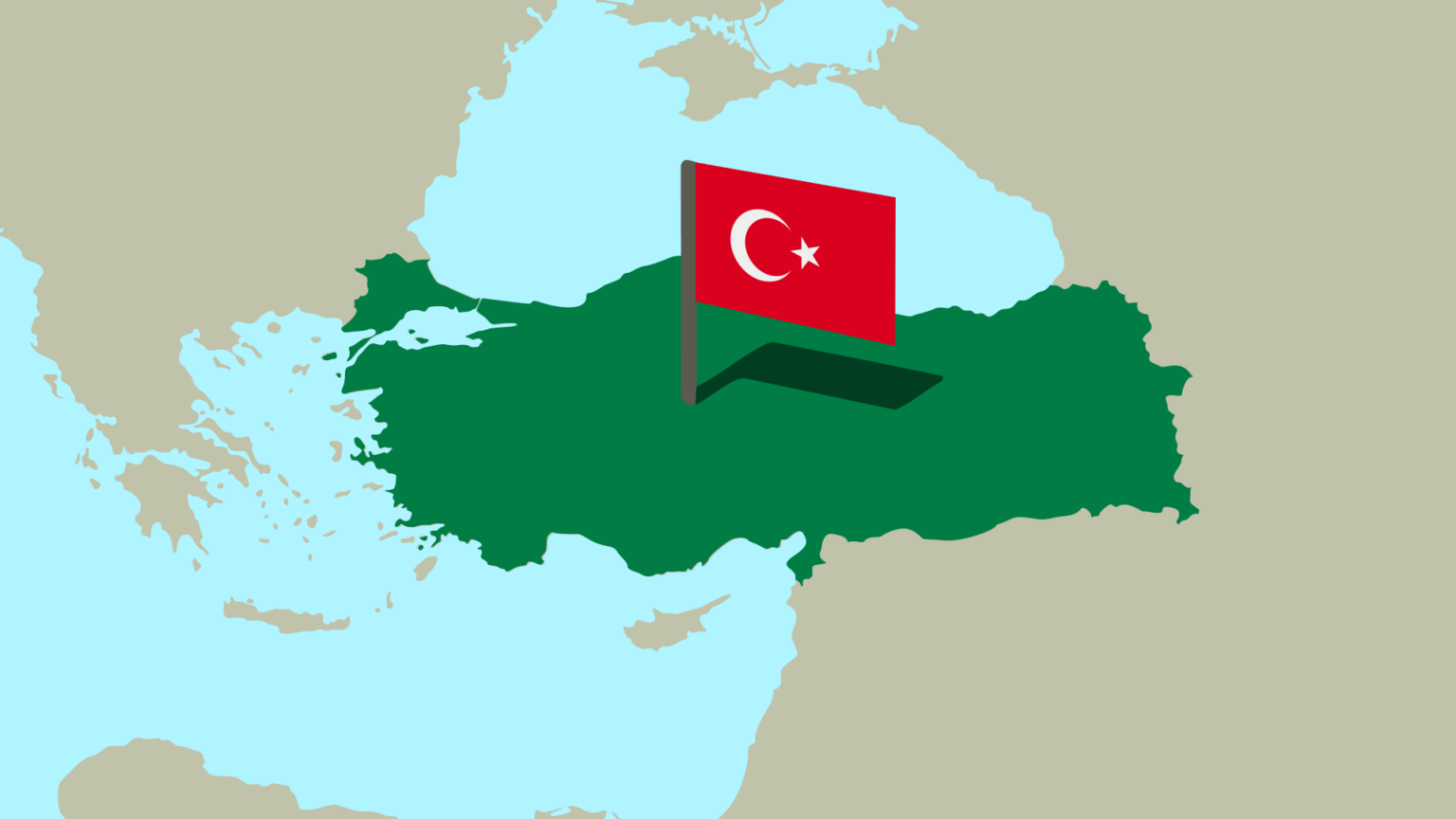
Türkiye’s games market exceeded US$1 billion in 2025, up around 25% year-on-year, with around 50 million active players, according to the Türkiye Game Market Report 2025.
Mobile gaming sits at the centre of that growth. Coda’s market data shows that 76% of mobile users in Türkiye are on Android, compared with 24% on iOS. The country generated 3.8 billion app downloads in 2025 and close to US$965 million in app revenue.
The scale is also visible at title level. According to research by Sensor Tower, eFootball surpassed 2.7 million active players in Türkiye in 2025, while EA SPORTS FC Mobile reached around 1.5 million.
For publishers, that level of activity creates a strong case for expanding monetization and distribution beyond the app stores, an approach known as out-of-app commerce: selling in-game items and currency outside the app stores, through web stores, local payments and distribution partners. The question is how to build a broader commerce model around the game, spanning D2C, local payments and distribution.
Web stores are becoming a bigger part of the mix
A webstore, or direct-to-consumer (D2C) store, lets publishers sell directly to players, with more control over pricing, promotions and the customer relationship. It is becoming an increasingly important part of the growth strategy for mobile publishers. Coda Webstore also gives publishers flexibility around bundles, exclusive content, loyalty and local offers.
The strongest webstores are closely tied to the game itself. Offers can evolve around new seasons, content drops, live events and player behaviour, giving publishers more opportunities to keep the store relevant and drive repeat engagement.
That matters because a webstore should do more than provide another place to transact. When it is actively managed and optimised, it can support higher order values, greater purchase frequency and stronger lifetime value.
Payments need to feel local
Cards lead the market, but there is a significant domestic layer. Türkiye’s local card network, Troy, has grown to around 67 million cards, more than 50 million cardholders, approximately US$35 billion in annual transaction value and around 20% market share. That makes Türkiye a clear example of why payment localization matters.
These details impact conversion. A player can be ready to spend and still drop out if the payment experience does not work as expected. Approval rates, domestic processing, refunds, fraud controls and the methods shown at checkout all play a role.
Localization therefore comes down to something very practical: making sure the store works the way Turkish players expect it to, from the offer through to payment. At this scale, even small improvements in conversion can become meaningful.
Distribution creates another route to the player
Türkiye also has a rich ecosystem of e-commerce platforms, wallets, banks, telcos, digital retailers and rewards programmes with established consumer relationships.
For publishers, those partners can create additional buying occasions and reach players outside their owned channels. A publisher-operated D2C webstore is powerful when there is already a direct relationship with the player. Distribution extends that reach into other parts of the consumer ecosystem.
The commercial question is straightforward: is the partner generating incremental demand?
If the answer is yes, distribution can complement D2C by bringing in customers and transactions the publisher may not otherwise have captured.
In Türkiye, where major local platforms already play an important role in digital commerce, that can be a significant growth lever.
Growing Türkiye games globally
What’s really exciting about Türkiye’s gaming landscape is that some of the world’s best mobile games are also being made there. Royal Match has become a global hit, Rollic has built an international catalogue, and a new generation of studios such as Grand Games and TaleMonster is raising capital and building for players far beyond Türkiye.
Turkish studios are reaching fast-growing global audiences, but monetising and distributing to those players is not always straightforward. Payment fragmentation, different consumer preferences across markets and continued friction onboarding Turkish entities with some international payment providers can all make launching and scaling a webstore more complex.
For many studios, audience growth can move faster than the commercial infrastructure needed to support it. A game can gain traction across several markets quickly, while payments, tax, compliance and local checkout requirements still need to be managed market by market.
Some studios address this by establishing entities overseas or working with multiple providers across different countries, but that can leave them with a fragmented setup that becomes harder to manage as the business scales. Merchant-of-record models can simplify that by giving publishers a single route into multiple markets while taking on much of the underlying payments and compliance complexity.
That is particularly relevant for Turkish developers, whose games are increasingly built for international audiences from the outset. The opportunity is to make it easier for those studios to monetise the demand they are already creating around the world.

Türkiye’s opportunity runs both ways
Türkiye has the scale, engagement and local commerce ecosystem to support a much broader out-of-app model. For global publishers, that means stronger webstores, better local payment performance and wider distribution. For Turkish studios, it means having the infrastructure to reach and monetise global audiences directly.
That two-way opportunity is what makes Türkiye especially interesting now: a major market for games, and an increasingly important source of them.
Get in touch with Coda to explore how to grow your game in Türkiye and beyond.