
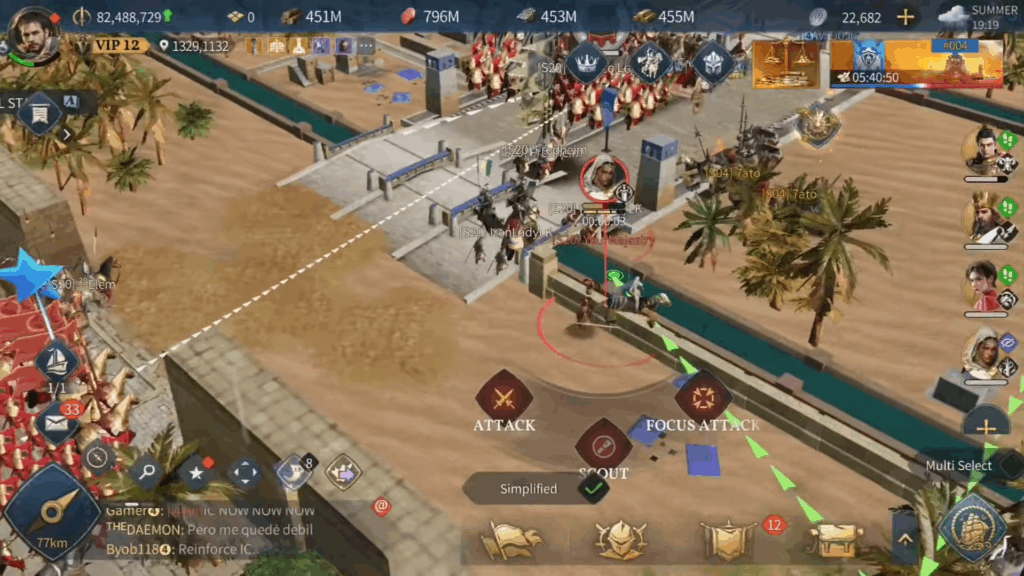
Today, too many modern mobile games are bloated with content, ads, complexity, and choices. An overwhelming mix of multiple currencies, menus, tiers and timer bars seem to clutter the vast majority of free-to-play games across iOS and Android, and we’re not convinced that is what players want.
Plenty of otherwise excellent titles hide their core brilliance under multiple layers of distracting screens packed with UI, options, and text. The Age of Empires Mobile team may have been ambitious in trying to pack all the intricacy of the superb original PC game into the mobile version, but the result is something far from welcoming.
After a tutorial around three times longer than typical mobile gaming sessions, the gameplay continues to be dominated by tiny menus and lengthy tutorial text. That complexity arguably detracts from a game’s success potential by making it rather hard to just enjoy the game.
There is another route to mobile success, however, and it’s one more accessible and achievable for teams of every size.
At Midjiwan, we focus on simple game design, transparency in pricing, and straightforward communication with our players, introducing them to game concepts gradually.
We still make games with depth, such as our 4X strategy game The Battle of Polytopia – but our creations are always defined by a minimalism of experience that welcomes players while keeping the focus on the gameplay, rather than menus and currencies. We try, at least, to make the complex feel simple.

And we believe it’s working. That devotion to simplicity has powered years of growth for The Battle of Polytopia. We launched it as an ad-free, freemium mobile game in 2016; it’s since been ported to Steam, Nintendo Switch & Epic Games Store.
Last year, it made the grade for Apple Arcade, joining a library of truly excellent examples of game design. We’ve even received praise from icons like the Nobel Prize-winning Sim Theme Park co-designer and Google DeepMind co-founder Demis Hassabis, which still blows us away.
And all that success is built on simplicity – both in how we make games and run the company.
Why keep it simple?
The Battle of Polytopia is a 4X strategy game. 4X games focus on building vast empires and are traditionally complex, large, and demanding. They are also brilliantly engrossing. The Battle of Polytopia started as a personal project, inspired by the idea of bringing the welcoming simplicity of mobile games to the 4X genre. Instead of trying to reproduce what a PC 4X game is on mobile, which would have taken pages of tutorial text, we reworked the genre to better fit its new platform.
Keeping both the design and economy of our game uncomplicated has been a key component for our small team – and it’s equally powering sensations like our Apple Arcade stable-mate, LocalThunk’s amazingly elegant poker-inspired Balatro, which has already done extremely well as a premium game on mobile.
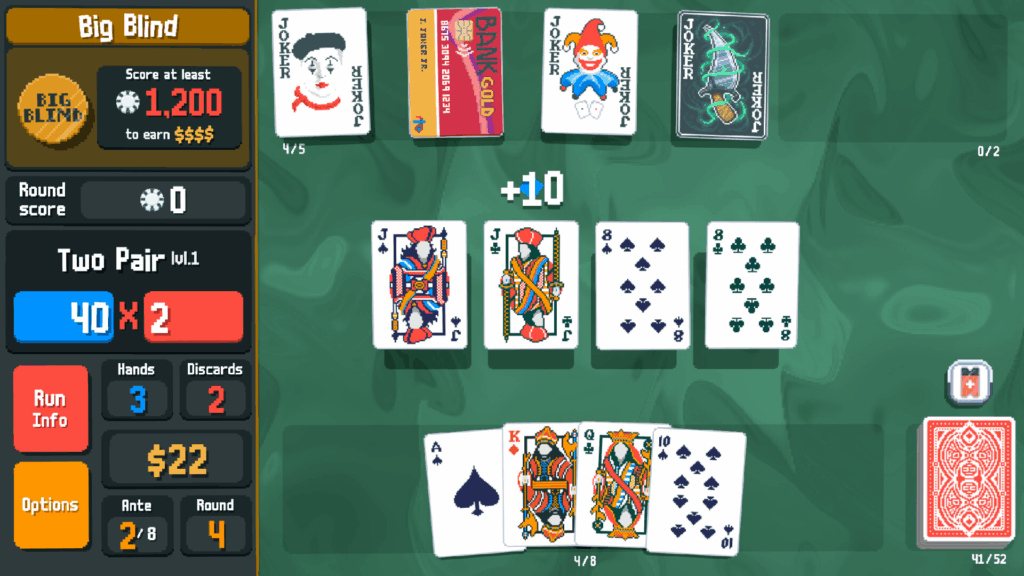
Simply put, simplicity makes a game appealing to a great many more players, and can do as much for engagement and retention as the most meticulous user acquisition strategy.
Focusing on simplicity while avoiding aggressive monetisation has allowed us to build trust and strengthen the bond with our player base, making them feel comfortable playing the game for many years without being overcharged for their experience.
And by keeping our core team small and elegantly structured, we have been able to run and grow a healthy business where we can focus on quality, gameplay, and creativity.
In fact, we’ve found that maintaining a small core team and working with a limited number of outside consultants makes managing the company much easier.
We use Trello for all project management because we find the tool very simple to use and you quickly see if you are overloading a project with tasks thanks to the visual post-it style presentation. We are all involved in deciding the direction in which we grow the business. Minimalism is a mindset you can apply across your studio and work as well.

How to seize minimalism
We are convinced that keeping genres simple on the surface, while packing them with depth that gradually reveals itself as players become familiar with the gameplay, is key.
This depth, combined with the constant opportunity to learn and improve, keeps players engaged year after year. Furthermore, it opens up significant potential to grow and retain audiences. I believe the methods we used could easily be applied to other games. These are the seven game design principles established by Felix af Ekenstam, the creator and designer of The Battle of Polytopia.
1-) Purposeful Existence: Develop games that fulfill a unique need or desire, ensuring they offer experiences not readily available elsewhere.
2-) Simplicity and Accessibility: Streamline game mechanics and interfaces to make them intuitive, particularly for mobile platforms, without sacrificing depth.
3-) Aesthetic and Functional Balance: Design games that are both visually appealing and mechanically sound, ensuring that graphics enhance understanding and engagement.
4-) Meaningful Choices: Present players with decisions that are both challenging and impactful, avoiding unnecessary complexity while maintaining strategic depth.
5-) Positive Player Experience: Focus on maximizing player enjoyment by presenting beneficial outcomes and minimizing negative experiences, fostering a rewarding gameplay environment.
6-) Informative Art Design: Ensure that visual elements convey essential information, allowing players to understand game mechanics and changes through art without relying solely on text.
7-) Elimination of Redundancy: Remove unnecessary systems and elements to create a more focused and enjoyable game, enhancing overall quality by concentrating on core mechanics.
A pure and simple
Fortunately, simplicity is straightforward, and at Midjiwan we’ve seen it inspire ever more simplicity, from team structuring to game design. It’s also a solid foundation for a great return on investment.
By embracing minimalism, you’ll likely make your studio and production process more efficient while attracting large player numbers.
As we’ve found, players who aren’t overwhelmed by aggressive monetization feel respected – and respected players are happy to keep coming back.
Simplicity, then, provides something of a win-win for players and developers alike. And as more mobile users become increasingly aware of – and fatigued by – aggressive monetization and relentless complexity’s ability to undermine the pleasure to be found in games, we expect to see a great many more ‘simple hits’ joining The Battle of Polytopia high up the charts, offering an alternative to the UI-cluttered norm.

CEO | Midjiwan AB