
As the mobile FPS market becomes increasingly competitive, studios are under growing pressure to deliver experiences that keep players engaged far beyond launch.
In our interview with Alexander Sakharov, we discussed how Vertigo Games approaches rapid iteration, player-driven design, and long-term engagement across titles such as Critical Strike and Polygun Arena.
Alexander also shares his perspective on the evolution of the mobile shooter genre, the technical foundations behind responsive gameplay, and the growing role of AI in modern game development workflows.
You’ve worked on large-scale projects and at major studios throughout your career. How do Vertigo Games differ from those experiences?
At larger studios, there is often a lot of structure – clear pipelines, but slower iteration. At Vertigo Games, the biggest difference is agility. Decisions are made faster, and there is a closer feedback loop between design, engineering, and live ops.
That creates an environment where ideas can be tested and validated much more quickly, which is especially important in the mobile space where player expectations shift rapidly.
How has your previous experience shaped the games currently being developed at Vertigo Games, such as Critical Strike and Polygun Arena?
My background mainly helped me stay focused on the fundamentals – making sure the core gameplay is clear, responsive, and easy to get into.
At the same time, I try to build in enough depth so players have something to master over time, not just something they play for a few sessions.
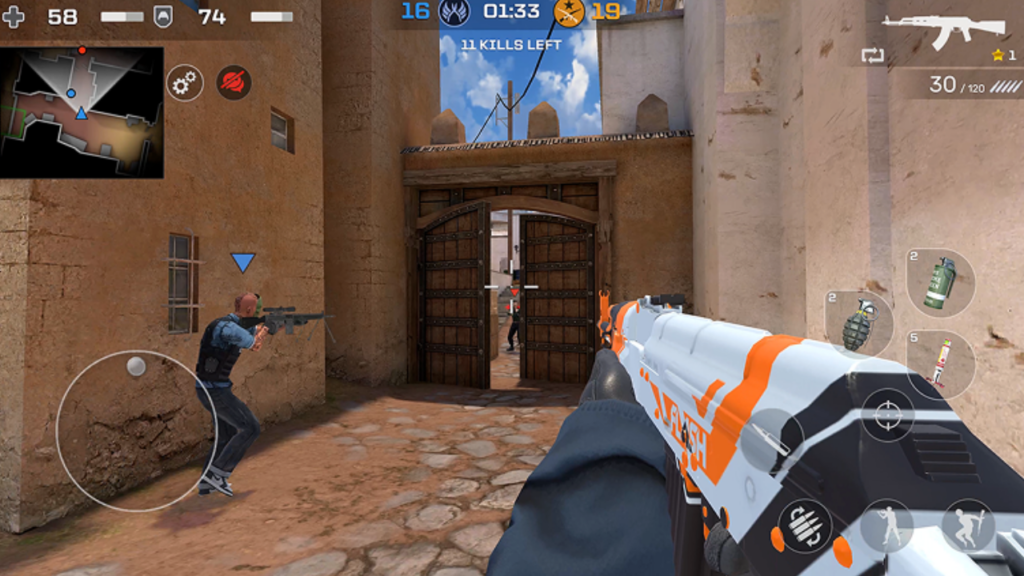
Image Credit: Vertigo Games
Over the past year, what have you learned about the mobile FPS genre that surprised you? How do you see the genre evolving in the coming years?
One thing that stood out is how serious the player base is. Mobile FPS players are a lot more competitive than people expect. I think the genre will keep expanding beyond just gameplay – more social features, stronger progression, and systems that keep players invested long-term.
In a saturated mobile market, what is the one “X-factor” that makes an FPS title actually survive long-term?
I think it comes down to whether players feel progress in their skill, not just their stats. If people feel like they are improving and getting better at the game, they are much more likely to return.
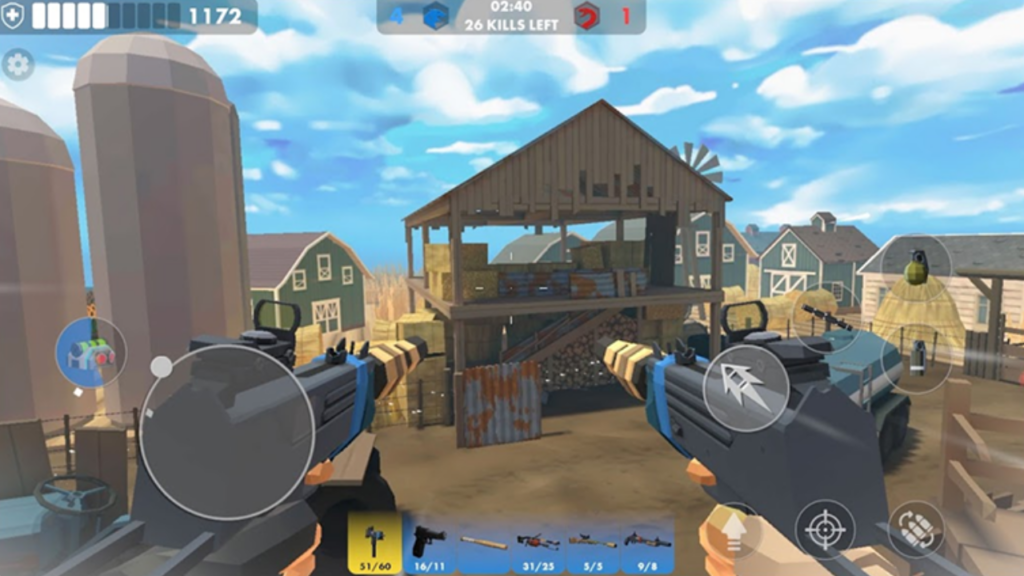
Image Credit: Vertigo Games
From a developer’s lens, what is the single most important technical element required to make a mobile shooter feel “right”?
It is all about consistency in how the game responds – things like input timing and hit detection. If that is not right, even slightly, players notice immediately and it affects the whole experience.
What’s your perspective on the use of AI in game development? Is it something you actively integrate into your workflow, or do you lean toward a more traditional approach?
I see AI as a tool, not a replacement for creativity. It is extremely useful for accelerating workflows – prototyping code and assets, sometimes even for testing – but the core design decisions still need a human perspective. The creative direction still needs a human touch.
What’s the next major evolution players can expect from Critical Strike and Polygun Arena?
The focus is on making the experience deeper and more engaging over time – better progression, smoother gameplay, and stronger social and competitive elements. Basically, giving players more reasons to come back and stay invested.

Lead Game Developer at Vertigo Games