
While skill-based gaming has traditionally been associated with highly competitive players, AviaGames has spent the past decade working to make the category more accessible to everyone.
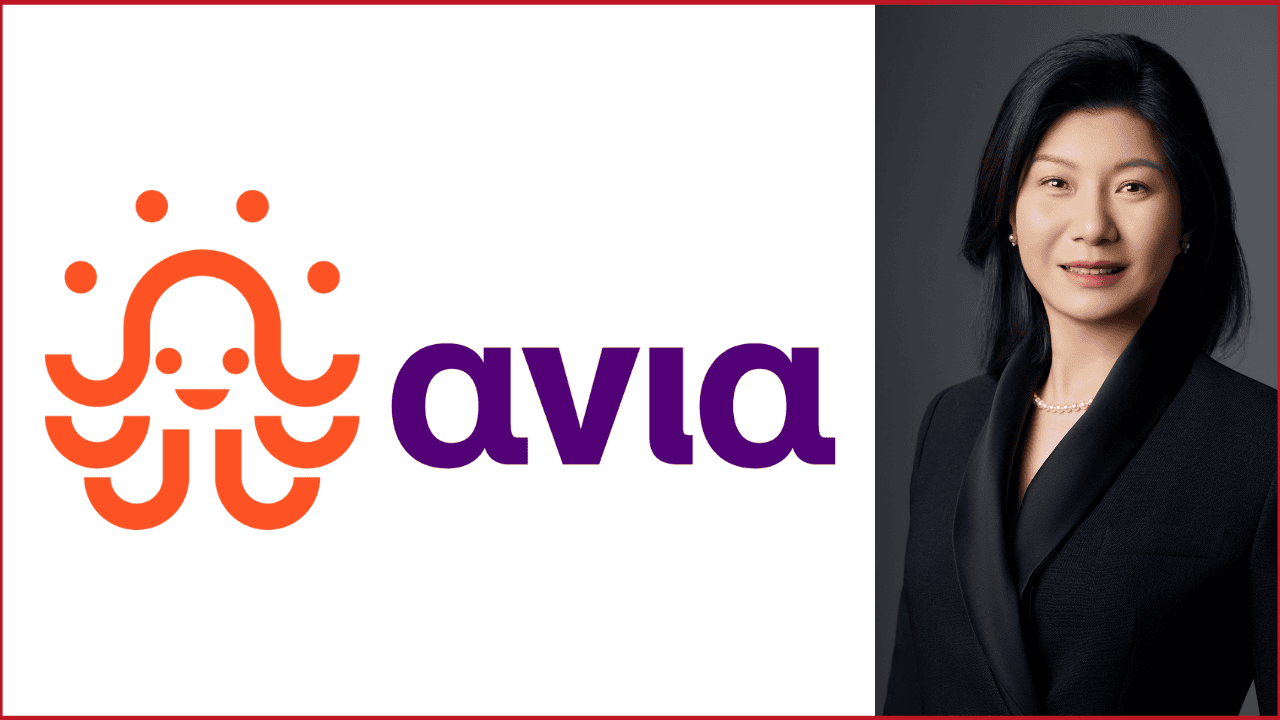
From building the Pocket7Games platform to navigating the challenges of scaling a company in a highly competitive market, we sat down with AviaGames Founder & CEO Vickie Yanjuan Chen to discuss entrepreneurship, leadership, inclusivity, and the future of skill-based gaming.
You have a background in both technology and entrepreneurship. Can you tell us a bit about your journey before founding AviaGames, and what experiences shaped you as a founder?
Before founding Avia, I worked at Sohu.com, one of the very first internet companies in China. It was there that I discovered my passion for technology, working across online content and gaming. At this point, the internet industry was so new that the possibilities seemed endless, and I quickly noticed that technology had the potential to positively benefit people’s lives in an instant.
I’m so grateful to have had such an amazing opportunity at the start of my career, where I learned skills and lessons that I’ve been carrying with me ever since. While I loved my time there, I decided to step out of my comfort zone and pursue an idea that had popped into my head: the potential of casual skill-based gaming.
At Sohu, I learned to chase curiosity, cater to the needs of users, and act fast, and it was these pillars that built the foundation of Avia’s mission.

What was the original idea behind AviaGames, and what problem were you trying to solve when you first started the company?
Avia was founded to make skill-based gaming accessible to everyone. Despite my previous experience in the technology field and love of the gaming industry, I never considered myself a “hardcore gamer,” and wanted to develop games for both casual players and competitive ones alike.
Consequently, we prioritized creating titles that are free to play, beginner-friendly and include modes for players across all skill levels. When we launched Pocket7Games, we wanted to build a single platform where people could play different skill-based games (Solitaire, Bingo, 8-Ball) anytime, anywhere. We design all our games in-house, striving to control the quality, fairness, and balance of every match, utilizing community feedback and internal creative ideation.
As the games industry is predominantly male, I also wanted to open pathways for more women to enter, stay and rise in the mobile-gaming industry. Approximately 40% of Avia’s employee base is made up of women, with many of them holding leadership positions. It’s the strong female leaders who shaped who I am today, and they inspire me to continue to break boundaries in a space that thrives with the support of diverse minds.

Building a company in the competitive mobile gaming space is not easy. What were some of the toughest challenges you faced in the early days, and how did you navigate them?
Ping, my partner, and I started Avia in 2016 and definitely faced some challenges in the beginning. As I mentioned, the real-money skill-based gaming space, especially at that time, was highly male-dominated, and as two women looking to cultivate a business from the ground up, it took extra work to be taken seriously.
However, instead of succumbing to the frustration of potential partners and vendors seeing us as illegitimate, we persevered through those who doubted us and let the results speak for themselves. Giving up would have proven those who questioned our credibility right, and that was never something we planned on. We continued to show up, deliver quality experiences and hold steadfast in our goals.
Also, within this male-dominated environment, we had a special edge. As women with the goal of accessible skill-based gaming, we understood our audience, especially female players, in a way others didn’t. While the traditional mindset at the time that skill-based gaming had to be highly competitive among experienced players posed an additional challenge for our unconventional idea, we sought to build credibility through educating others on how these games can be fun and fair for everyone.
AviaGames operates in the skill-based gaming space, which has its own regulatory and operational complexities. How did you approach building trust with players while scaling the business?
We build trust with players by actively listening to them and showing them that their input matters to us. Our development team continuously studies what excites and frustrates players most to support the dynamic evolution of our titles and increase both replayability and customer satisfaction. Through social media engagement, community channels and surveys, our team collects feedback and seriously evaluates it to discover how we can improve.
We seek to keep things fresh through experimentation. The R&D team is not afraid to test new things, surprising players with exciting developments, and repeating that feedback loop to get to know our players interests on a deeper level.
Aside from development, we’ve coordinated strategic partnerships with key industry figures such as Meta and PayPal, and I had the pleasure of speaking alongside them at a panel discussion at the 2026 Game Developers Conference to educate attendees on partnership-led growth and frictionless and transparent player payouts.

Source: Avia Games
How do you see the future of skill-based gaming evolving over the next few years, and what role do you believe AviaGames will play in shaping that space?
I believe the future of skill-based gaming will become even more accessible, social and personalized. Today’s players are looking for experiences that are easy to pick up, rewarding to improve at and fun to share with others. As mobile gaming continues to evolve, I think we’ll see skill-based experiences become more mainstream, especially as technology allows for greater personalization and more engaging ways to connect players.
At Avia, we want to continue helping shape that future by making skill-based gaming more approachable for everyone, regardless of experience level. We’ve always believed competition should feel fun and fair, not intimidating. As we grow, we’ll continue investing in innovation, listening closely to our player community and creating experiences that bring people together through accessible, skill-driven play.
You have been involved in multiple companies, including NewCode. How did you manage running and building several ventures at the same time, and what did those experiences teach you as a founder?
Building multiple ventures taught me a lot about focus, adaptability, and the importance of surrounding yourself with great people. At different points in my career, each company required different things from me, so I learned quickly that leadership is not about trying to do everything yourself. It’s about understanding where you can create the most impact, trusting your team, and staying focused on the bigger vision.
Those experiences also taught me to move quickly, stay curious, and embrace change. Entrepreneurship is rarely a straight path, and some of the most valuable lessons come from navigating uncertainty. Every venture helped shape the way I lead today and reinforced the importance of listening to users, staying resilient and never losing sight of the problem you are trying to solve.
As a founder and CEO, how do you balance product vision, growth strategy, and team leadership as the company scales?
I’m truly lucky to have such an amazing team, but as a leader I’ve learned that balancing product vision and growth strategy starts with building a strong internal culture rooted in clear values for both our future and existing products while prioritizing the long-term well-being of Avia’s teams.
For me, leadership means fostering creativity, accountability, and empathy across every level while ensuring we stay focused on our core mission of putting players first. As our team has grown, I’ve also learned that being a good leader does not mean solving every problem on my own, but giving my teams the tools and trust to lean in.
Effective leadership comes from providing clarity, empowering others to lead, and trusting the exceptional team around me. Scaling successfully requires both a strong vision and the willingness to invest in people who can help carry that vision forward.

Source: Avia Games
AI is increasingly becoming part of the product and operations layer in gaming and apps. How are you approaching AI within AviaGames, and where do you see the biggest opportunities for AI in skill-based games?
I believe Artificial Intelligence has become an undeniable force in the modern world, not just in the gaming industry but everywhere. I see the future of skill-based gaming adapting to the ever-changing capabilities of AI and utilizing this technology to deliver better experiences for players through real-time adjustments and player personalization.
Looking back at your journey so far, what advice would you give to founders who are trying to build global gaming companies today?
Be confident in your vision if you’re truly passionate about it. Don’t wait for anyone to tell you it’s a great idea; you already know that. Even if others may not initially understand it, it will pay off to keep applying effort to reach your goals.
On that note, find people who do believe in you and grow your support circle. It is these mentors, teammates, peers and friends that will continue to push you to greatness when you face challenges.
Finally, embrace what differentiates you in the industry. You don’t have to lead like anyone else. Just be you.

Founder & CEO at AviaGames Inc