
Hello everyone,
Every year, thousands of games are released on Steam. Most of them disappear quietly. A small percentage find a loyal audience. Only a handful become breakout successes that dominate the charts, generate millions in revenue, and attract players from around the world. When we look at those games today, it is easy to assume their success was inevitable. It wasn’t.
People usually see the launch trailer, the Steam reviews, the sales figures, and the headlines. What they rarely see are the years before release. The abandoned prototypes. The projects that never reached the finish line. The difficult financial decisions. The technical problems. The countless hours spent fixing bugs while wondering whether anyone would ever play the game.
Success in game development rarely happens overnight.
Behind almost every successful title is a team that spent years learning their craft, making mistakes, changing direction, listening to players, and continuing long after the excitement of the original idea had faded.
That is exactly why I wanted to write this article.
Instead of focusing only on impressive numbers, I wanted to explore the human stories behind them. What motivated these developers? What obstacles did they overcome? What decisions changed the course of their projects? And perhaps most importantly, what can aspiring developers learn from their journeys?
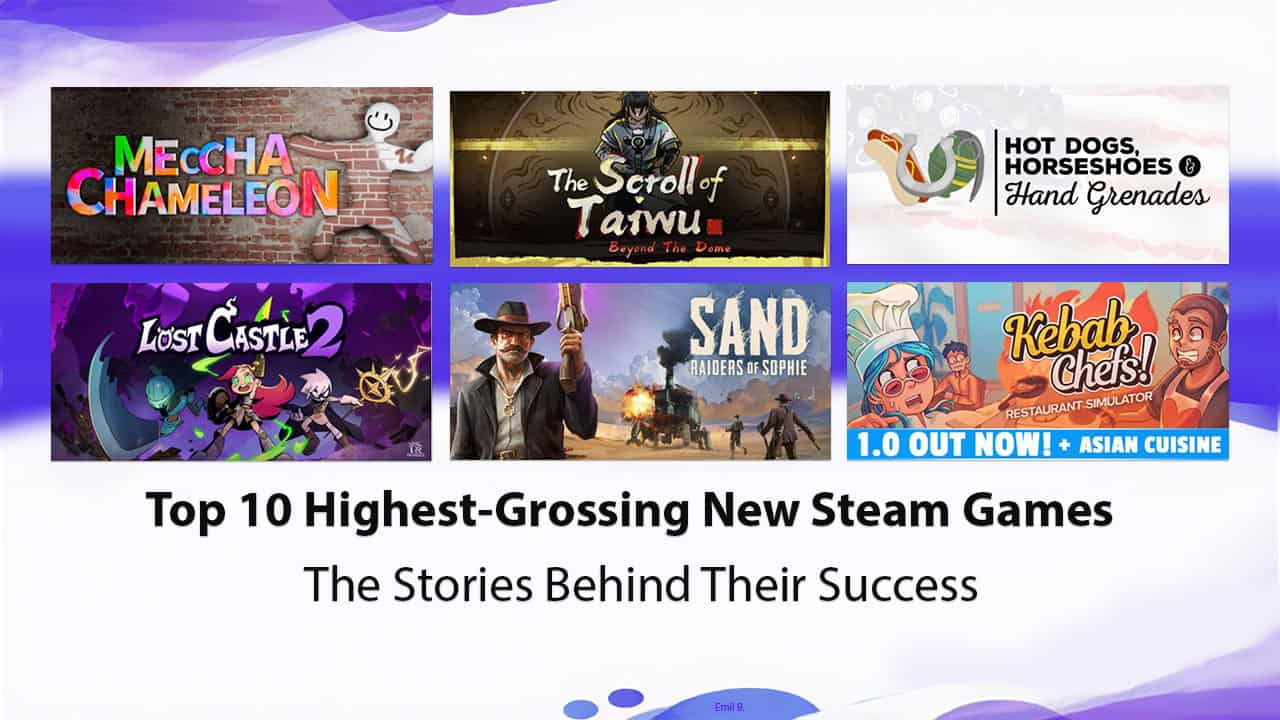
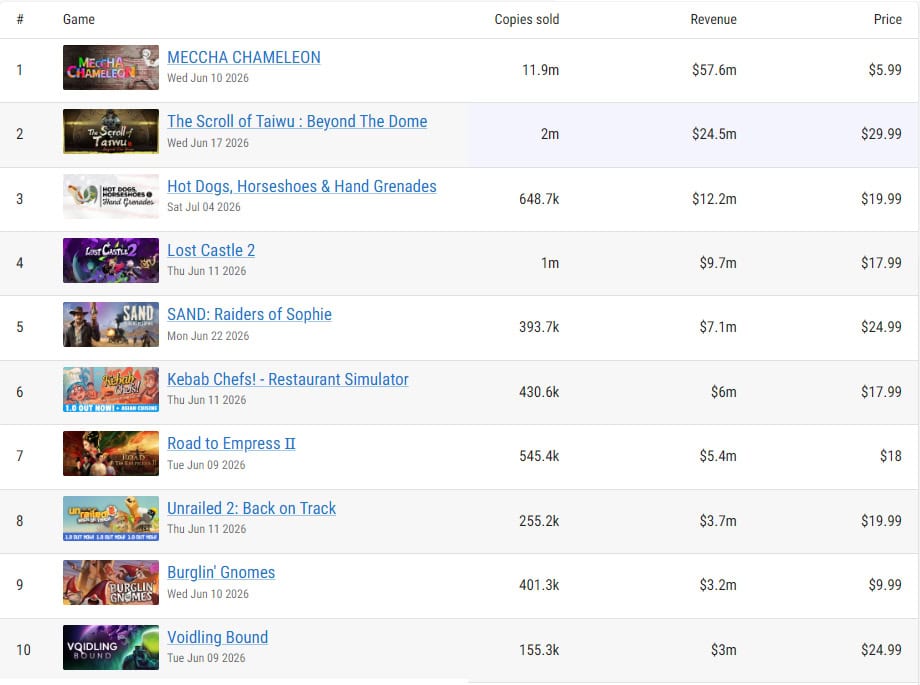
The games featured here are among the newest top-performing titles currently tracked by Gamalytic. While their genres, budgets, and team sizes vary dramatically, they all share something far more important than commercial success.
They all started small.
Some began as university projects. Others were passion projects built after work. Some were created by experienced industry veterans who decided to leave stable careers behind. Others were developed by a single person working alone for years.
None of these stories guarantee success. The game industry remains unpredictable, competitive, and incredibly difficult.
However, these stories do reveal something encouraging.
Great games are rarely built by people who never fail.
They are built by people who continue after failing.
Before we begin, there is one important note.
Data Source
Sales and revenue estimates mentioned throughout this article are based on publicly available estimates from Gamalytic. These figures are estimates rather than official financial statements and should be interpreted accordingly.

Research Note
The stories presented in this article were compiled by researching publicly available information from developer interviews, official studio websites, Steam pages, conference talks, social media posts, community discussions, and various industry sources.
Every effort has been made to verify the accuracy of the information. However, because this research relies on publicly available sources, some details may be incomplete, outdated, or occasionally inaccurate. If any information is later shown to be incorrect, it is unintentional and reflects the limitations of publicly available information rather than the developers themselves.
With that said, let’s begin with the first story.
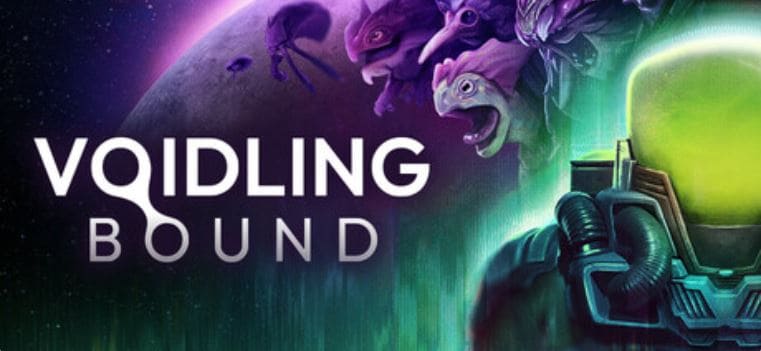
10. Voidling Bound
On paper, Hatchery Games looked like another small independent studio that suddenly appeared with an ambitious debut title. In reality, there was nothing sudden about it.
Long before the studio officially existed, years of experience had already been accumulating inside its future founders.
Jonathan Rancourt had contributed to projects like Borderlands 3. Simon Grelier had worked as a programmer on major franchises including Rainbow Six Siege and Call of Duty, while Frederick Gagnon had built a career in visual effects, contributing to productions such as Alien: Covenant and Stranger Things. Several members of the team had also worked together on Skylanders, building both technical expertise and professional trust over the years.
From the outside, it might seem that assembling a team with this level of experience would naturally lead to success. The reality was much more uncertain.
Working on famous franchises and building your own company are two completely different challenges.
Inside a large studio, many difficult problems have already been solved. Funding exists, production pipelines are established, experienced departments support one another, and every developer focuses on a specific role. Starting an independent studio means leaving all of that behind.
Instead of joining an existing production pipeline, Hatchery Games had to build every system from scratch. Instead of following someone else’s creative direction, every design decision now rested on their own shoulders. That freedom was exciting, but it also came with responsibility and risk.
Interestingly, Voidling Bound didn’t begin as a team brainstorming session. The core idea had been living in Jonathan Rancourt’s imagination long before Hatchery Games was founded.
Like many creative ideas, it remained unfinished until the right people came together.
When former colleagues reunited, they weren’t simply looking for another project. They wanted ownership. They wanted creative freedom. Most importantly, they wanted the opportunity to build something that reflected their own ideas instead of someone else’s roadmap.
In 2020, they officially founded Hatchery Games. The studio remained small, with little more than a dozen developers, but the ambition behind the project was much larger than the team’s size suggested.
Rather than creating another traditional creature-collecting RPG, the developers chose to challenge one of the genre’s oldest conventions.
Instead of commanding creatures from a distance, players directly control the creatures themselves in third-person combat.
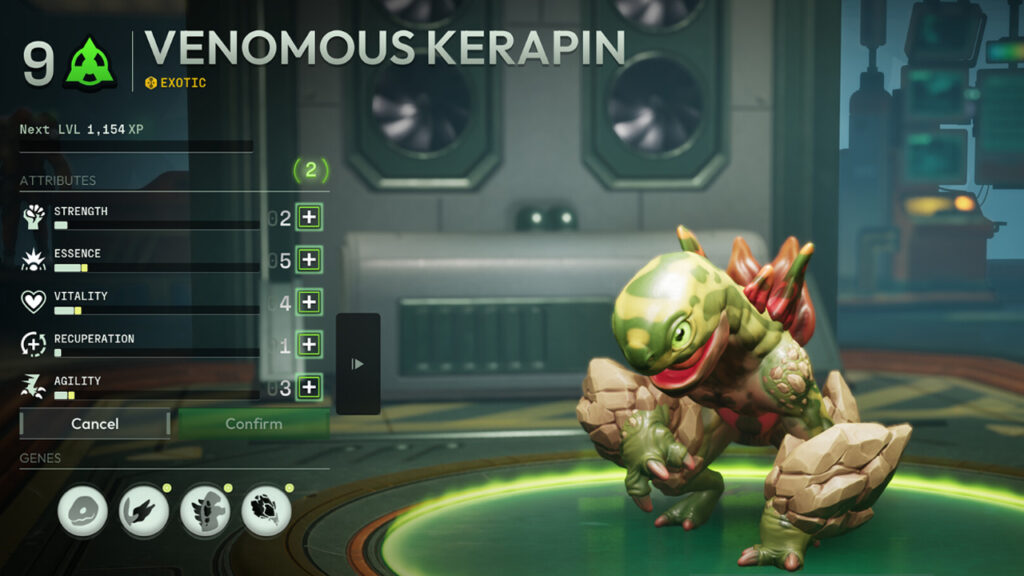
At first glance, that may sound like a relatively small gameplay change. In practice, however, it transforms how players experience movement, exploration, combat, and progression. It also highlights an important lesson about innovation.
Sometimes creating something original doesn’t require inventing an entirely new genre.
Sometimes it begins by asking a very simple question: “What if we did this differently?”
Of course, a good idea alone is never enough to finish a game. Development stretched across several years as the team refined mechanics, tested ideas, and gradually expanded the project. Like many independent studios, Hatchery Games constantly had to balance ambition against limited resources.
The project eventually received support through Epic Games’ MegaGrant program, providing additional financial confidence while allowing the team to remain independent. Even with that support, game development remained a long process of iteration.
Ideas changed. Systems evolved. Features were refined. Nothing happened overnight.
By the time Voidling Bound launched on June 9, 2026, something remarkable had already happened. Nearly 400,000 players had added the game to their Steam wishlists before release.
That wasn’t luck.
Wishlist growth is usually the result of years of consistent development updates, community engagement, event participation, and slowly building trust with potential players. Launch day simply revealed the work that had already been happening quietly behind the scenes for years.
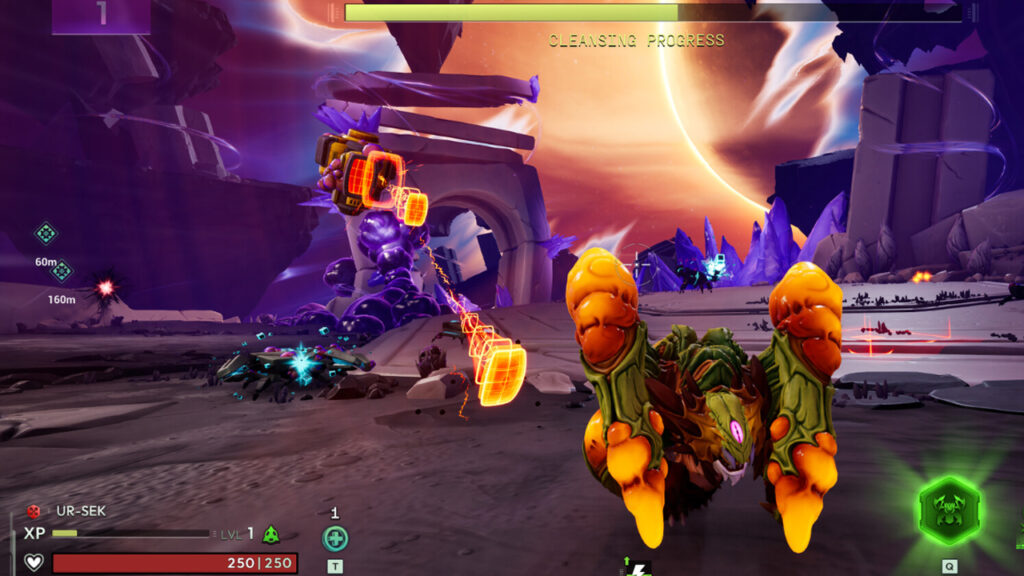
According to Gamalytic estimates, Voidling Bound sold approximately 155,300 copies, generating around $3 million in estimated revenue at a launch price of $24.99.
For a first commercial release from a newly established independent studio, those numbers represent an impressive achievement. Yet perhaps the most valuable lesson has nothing to do with sales.
Many aspiring developers believe they need the perfect idea before they can begin.
Voidling Bound suggests something different. Experience matters. Strong professional relationships matter. The courage to leave a comfortable position matters.
Most importantly, years of preparation often remain invisible until the day everyone suddenly calls a project an “overnight success.”
Key Takeaway
Success rarely begins when a studio is founded. More often, it begins years earlier through experience, trusted relationships, and countless lessons learned while working on someone else’s projects.
Another Studio Worth Following
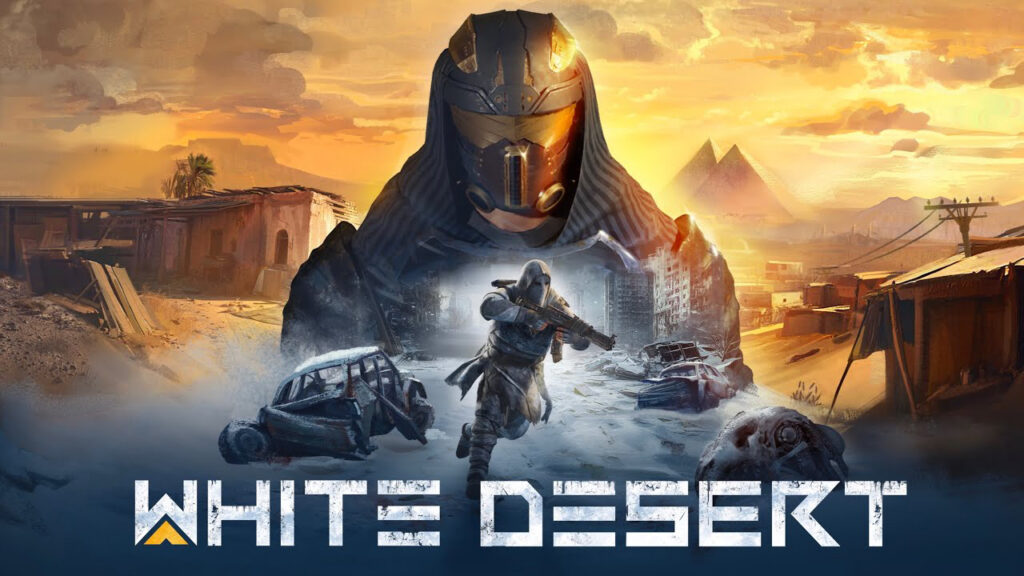
One of the biggest lessons from Hatchery Games is that experienced developers often leave the comfort of established studios to pursue their own creative vision. That same mindset can also be seen at Poly Dream Studio, which is currently developing White Desert. While the project is still in development, the team is building an ambitious original world instead of following existing trends. If you enjoy discovering promising indie studios before their breakthrough, Poly Dream is definitely worth keeping on your radar.
9. Burglin’ Gnomes
Many successful games begin with experienced studios, large teams, or years of industry connections.
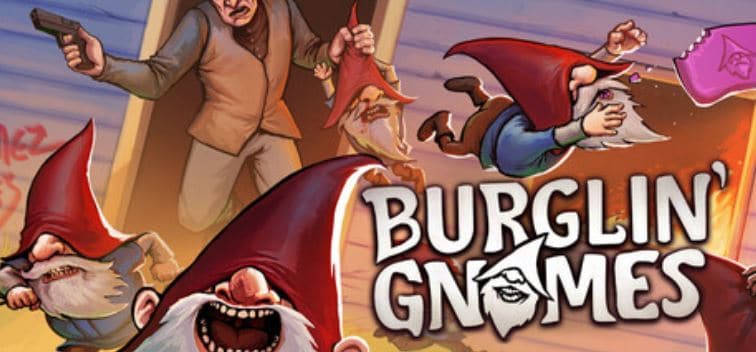
Burglin’ Gnomes began with one developer, one idea, and years of quiet experimentation that almost nobody noticed.
The creator, known simply as Fobri, is a Finnish solo developer who has largely remained out of the spotlight. Long before releasing his first commercial game, he spent years learning Unity, participating in game jams, and sharing small procedural generation projects on GitHub. None of those experiments attracted widespread attention, but each one became another step in building the technical skills he would eventually rely on.
Like many independent developers, Fobri also experienced failure before finding success. One of his earlier projects, Peasants Love Magic, was eventually abandoned because, in his own words, it simply wasn’t good enough.
Knowing when to stop can sometimes be just as important as knowing when to continue.
Many developers become emotionally attached to projects that clearly aren’t working. Fobri made the difficult decision to walk away instead of forcing a game to release before it was ready. At the time, that probably felt like failure. Looking back now, it looks more like preparation.
Then something happened that changed his perspective.
The explosive popularity of Lethal Company caught his attention, but it wasn’t the game’s commercial success that inspired him. It was the way people played it. Watching streamers and content creators, he noticed a pattern. Players weren’t just enjoying the mechanics. They were creating their own stories through unexpected situations, funny mistakes, and unscripted interactions.
The entertainment wasn’t coming from a carefully written narrative. It was coming from the players themselves.
That observation sparked a simple idea.
What if he created a similar social experience, but placed it inside a larger, more open environment where players had even more freedom to create memorable moments?
Unlike many commercial projects, there was no publisher approving milestones, no investors setting deadlines, and no development team dividing the workload.
There was only one developer sitting behind a keyboard, slowly turning an idea into a playable game.
On January 30, 2026, Fobri released a public demo.
At first, it looked like a typical indie release.
Then players started sharing clips online.
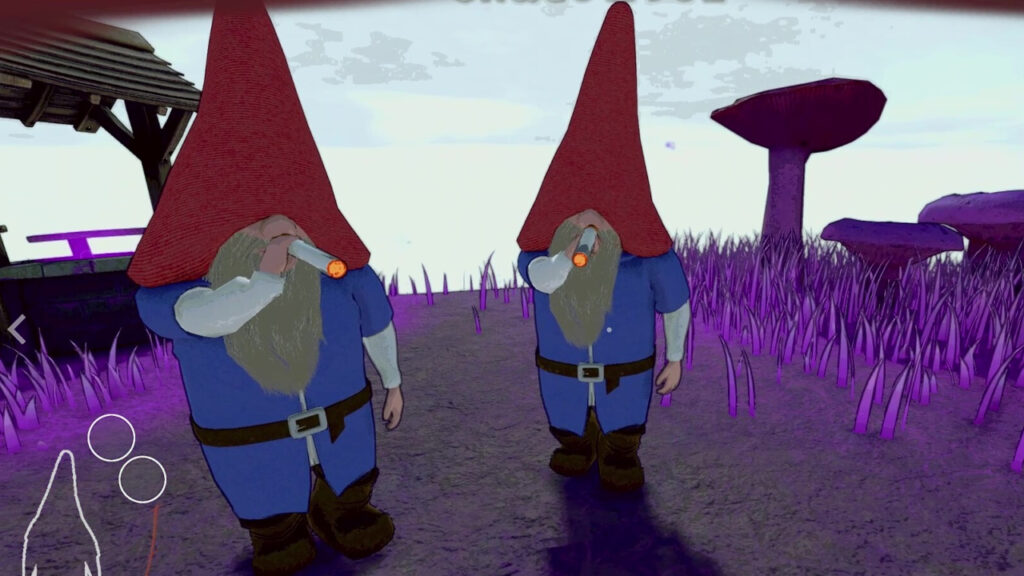
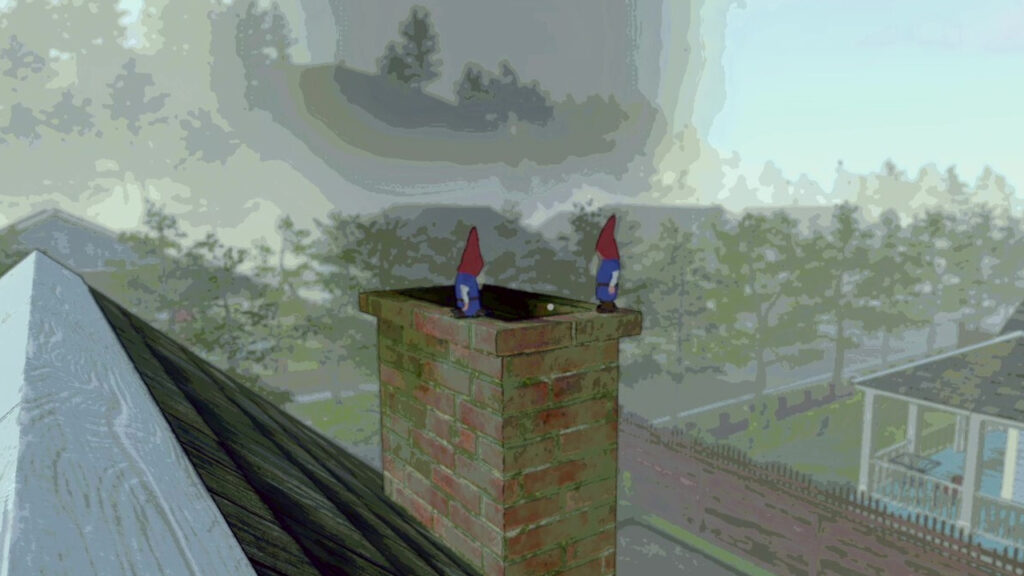
Videos of players trying to steal oversized furniture, struggling to squeeze refrigerators through tiny doorways, or desperately escaping homeowners chasing them with rolling pins quickly spread across social media. Streamers picked it up, audiences laughed, and the game began attracting attention far beyond what a traditional marketing campaign could have achieved.
The community became the marketing.
Every funny clip introduced the game to thousands of new players. Every livestream generated more stories, which encouraged even more people to try it themselves. Instead of spending money on advertising, the game relied on something much harder to manufacture.
People genuinely enjoyed sharing their experiences.
By the time Burglin’ Gnomes officially launched on June 10, 2026, the momentum had already been building for months.
What makes this story particularly interesting is that almost everything behind the scenes remained remarkably simple.
There was no massive studio.
No expensive marketing department.
No famous publisher.
Just one developer applying years of accumulated technical knowledge at exactly the right moment.
Those small procedural generation experiments shared on GitHub, the abandoned prototype, and countless hours spent learning Unity suddenly became valuable in ways that were impossible to predict years earlier.
Success rarely comes from one brilliant decision. More often, it is the result of dozens of seemingly insignificant decisions that only make sense when viewed in hindsight.
According to Gamalytic estimates, Burglin’ Gnomes sold approximately 401,300 copies, generating around $3.2 million in estimated revenue at a launch price of $9.99.
For a solo developer’s first commercial release, those numbers are extraordinary. Yet perhaps the most inspiring part of the story is not the sales themselves.
It’s the reminder that years of learning rarely go to waste.
Every unfinished prototype.
Every abandoned project.
Every small experiment.
Every mistake.
Together, they quietly build the experience needed for the opportunity that eventually changes everything.
Key Takeaway
Behind many “overnight successes” are years of invisible practice, abandoned ideas, and skills built through projects that most people will never see. Sometimes, your greatest advantage isn’t the project you finish, but everything you learned from the ones you didn’t.
Another Solo Developer Worth Watching
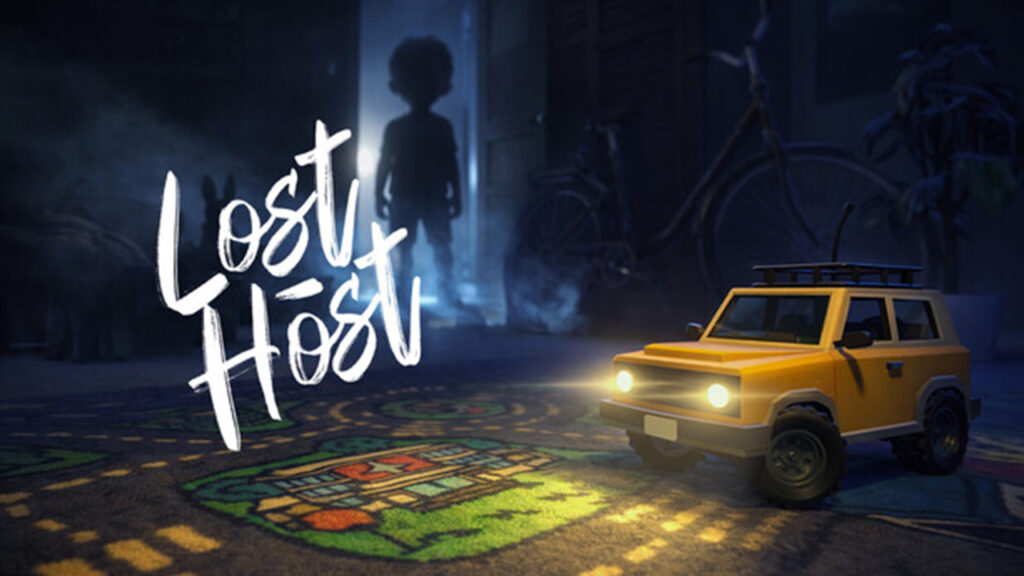
Fobri’s story shows how a single developer can turn years of learning into a unique game. A similar journey is happening with Lost Host, an atmospheric adventure created almost entirely by a solo developer. Players control a small toy car searching for its missing owner while exploring mysterious environments and solving environmental puzzles. If you enjoy supporting passionate solo creators before launch, this is a project worth adding to your Steam wishlist.
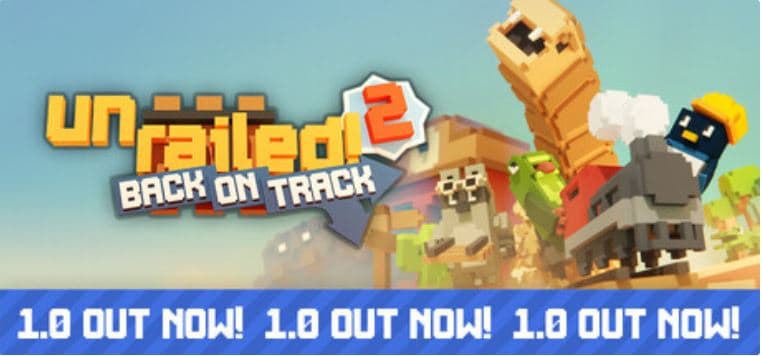
8. Unrailed 2: Back on Track
Many successful studios begin with years of planning, funding, and business strategies.
Indoor Astronaut began with something much simpler: a university assignment.
In the spring of 2018, a group of computer science students at ETH Zürich enrolled in a course called Game Programming Lab. The objective wasn’t to build a commercial product or start a company. They simply had to create a technically challenging 3D game as part of their studies.
The five students, Hendrik Baatz, Thomas Lang, Lukas Rahmann, Valentin Scherer, and Thomas Wolf, came up with an unusual idea. Instead of building another traditional co-op game, they created one where a train never stops moving. Players had to constantly gather resources, cut trees, mine rocks, and place tracks before the train reached the end of the rails.
The concept sounded chaotic.
In practice, it became one of the most memorable projects in the entire course.
Their prototype even ended up containing more lines of code than any other project created during that semester. At the time, however, it was still just another university assignment. Like countless student projects before it, it could easily have been forgotten once the semester ended.
Instead, something unexpected happened.
When they showed the prototype to other people, the reaction was overwhelmingly positive.
Friends enjoyed it. Other students enjoyed it. The simple idea of constantly racing against a moving train created a level of tension and cooperation that players immediately understood.
That reaction planted an important question.
“What if this didn’t have to end as a school project?”
Many great ideas disappear because nobody takes the next step.
These students decided to find out what would happen if they did.
Turning a classroom prototype into a commercial game proved far more difficult than building the original assignment. Writing code was only one part of the challenge. They now had to think about funding, business, publishing, marketing, community building, and everything else that comes with running an independent studio.
Making a game and building a company are two very different challenges.
Rather than giving up when those realities appeared, the team started looking for opportunities. They received support from Pro Helvetia, the Swiss Arts Council, which helped them continue development. They also attended Gamescom, where they began introducing the project to a much larger audience.
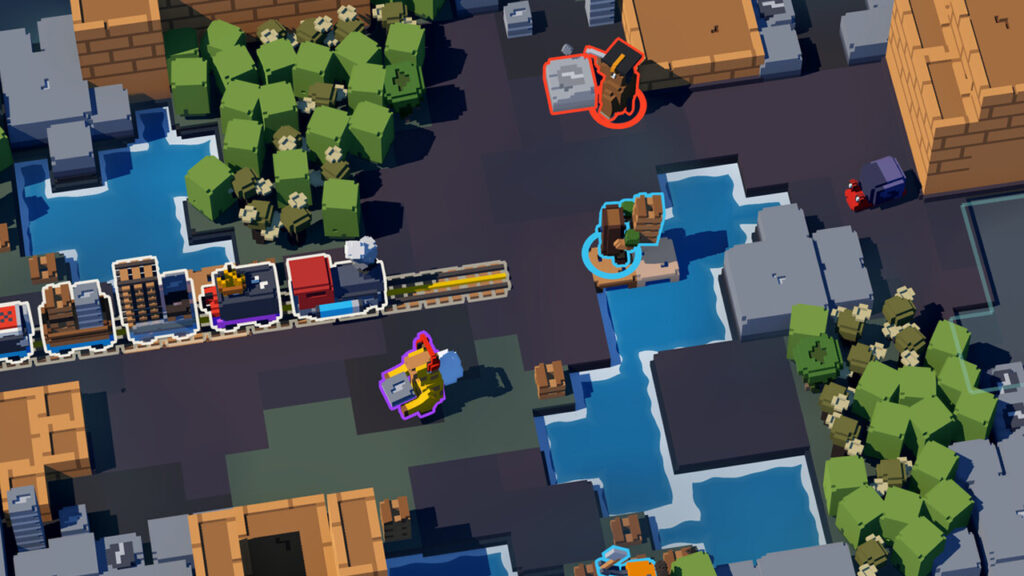
One of the most important moments came during an event in Paris, where they met Daedalic Entertainment, the publisher that would eventually help bring the game to players around the world.
Opportunities like these rarely happen by accident.
The prototype had already proven that the gameplay worked.
Now the developers needed to prove they could build a sustainable studio around it.
Believing in the project enough to continue, several members of the team even paused their university studies to focus on game development full time. Together, they founded Indoor Astronaut, transforming what had once been a classroom assignment into a real company.
The gamble paid off.
The original Unrailed! entered Early Access in 2019 before receiving its full release in 2020. It went on to sell hundreds of thousands of copies, expanded onto multiple platforms including PlayStation and Nintendo Switch, and established itself as one of the most successful cooperative indie games of its generation.
For many studios, one successful game is enough.
Indoor Astronaut chose a different path.
Instead of immediately moving on to something completely new, they asked themselves how they could improve everything they had learned.
The idea for a sequel reportedly took shape during a sailing trip in 2021, where the team began discussing what the next chapter of Unrailed could become. Development officially continued, the sequel was announced in 2023, and entered Early Access in 2024.
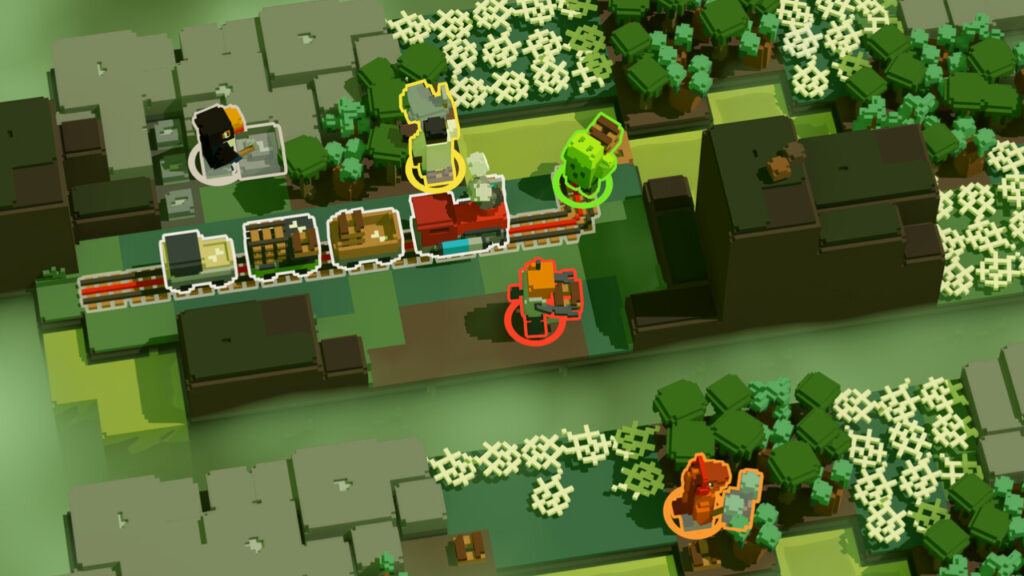
Just like the first game, the developers once again relied on community feedback to refine mechanics, expand features, and improve the overall experience before committing to a full release.
By the time Unrailed 2: Back on Track officially launched on June 11, 2026, nearly eight years had passed since the original university prototype first appeared inside a classroom.
What started as homework had grown into an internationally recognized game studio.
According to Gamalytic estimates, Unrailed 2: Back on Track sold approximately 255,200 copies, generating around $3.7 million in estimated revenue at a launch price of $19.99.
Those numbers represent another successful release, but they also highlight something much bigger.
Many people assume that successful companies begin with carefully planned business strategies.
Sometimes they begin with curiosity.
A simple classroom assignment.
A group of friends willing to continue working after everyone else went home.
The prototype may have been built for a grade, but the studio was built because they refused to stop believing in it.
Key Takeaway
Great opportunities don’t always begin as ambitious business plans. Sometimes they begin as small experiments, student projects, or side ideas that become something much larger because the people behind them choose to keep building after everyone else stops.
Another Small Team Building Something Bigger
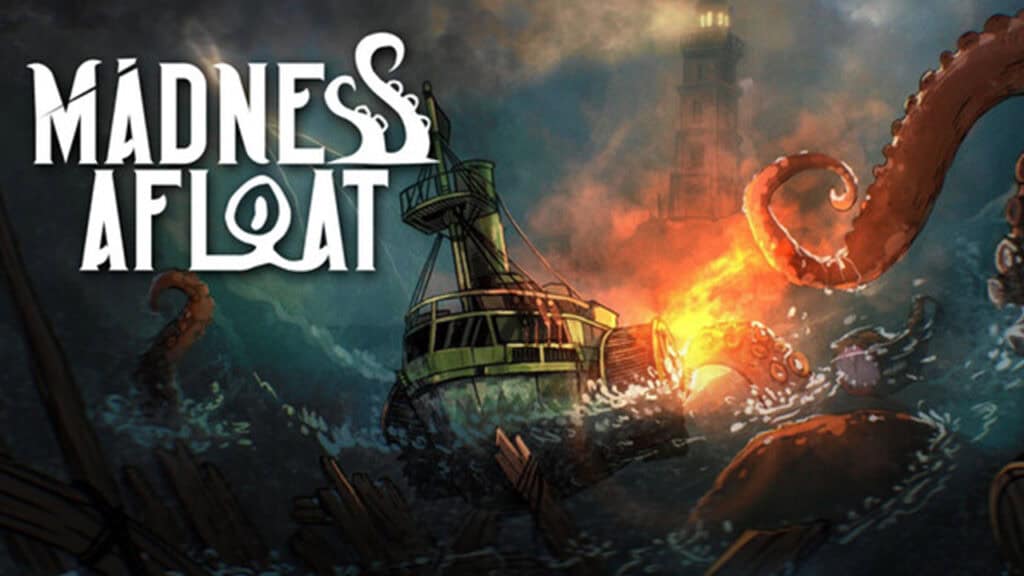
The creators of Unrailed proved that small teams can transform ambitious ideas into long-term projects through patience and continuous improvement. That same determination can be seen in Madness Afloat, an upcoming survival adventure from the indie team at Dynamic Box. Set in a flooded world where players build, expand, and defend a floating base while exploring dangerous waters, the project reflects the same willingness to tackle an ambitious concept with a small but dedicated team. If survival games are your genre, it’s well worth adding to your Steam wishlist.
7. Road to Empress II
Most successful games are built with programmers, artists, and designers.
Road to Empress II reminds us that sometimes a game’s greatest strength begins with writers, actors, directors, and historians long before a single line of gameplay is created.
The story begins with New One Studio, a small Chinese team founded in 2015. Rather than competing with action games or traditional RPGs, the studio became fascinated by a very different form of interactive entertainment: live-action storytelling. At the time, it was still considered a risky genre. Few developers believed players would embrace games driven by real actors instead of fully digital characters.
For a small independent studio, choosing an unproven genre meant accepting a level of uncertainty that many teams would have avoided.
Before Road to Empress ever existed, the developers spent years learning how to combine filmmaking with player choice. Their breakthrough came with The Invisible Guardian, released in 2019. Instead of relying on combat or complex gameplay systems, the experience focused on meaningful decisions that allowed players to shape the story themselves.

The gamble paid off.
The game became one of China’s best-selling Steam titles that year and even received recognition from BAFTA. For many studios, achieving that level of success would have encouraged them to repeat the same formula.
Instead, New One Studio challenged itself to create something even more ambitious.
The team began searching for a historical figure whose life naturally suited interactive storytelling. They eventually chose Wu Zetian, the only woman in Chinese history to officially rule as Emperor. Her rise to power, political struggles, and survival inside a male-dominated imperial court offered exactly the kind of branching narrative the developers wanted to build.
This wasn’t simply a story about royalty.
It was a story about ambition, resilience, difficult choices, and the cost of power.
Turning that vision into a game required an enormous amount of preparation. The screenplay alone took approximately one year to complete, with five writers and a director working together to create a branching script exceeding 300,000 words and more than 1,200 minutes of dialogue and scenes.
To put that into perspective, many novels are significantly shorter than the script created for this single project.
Writing, however, was only the beginning.

The casting process involved more than 2,000 actors, all competing for roles that would eventually shape the player’s journey. Once production began, filming lasted roughly four months inside one of Zhejiang’s largest film studios, followed by another eight months of editing.
Unlike a traditional movie, interactive dramas cannot simply edit one continuous storyline.
Every player decision creates new branches.
Every branch must remain consistent.
Every scene connects to multiple possibilities.
The complexity grows far beyond what most players ever see on screen.
When the first Road to Empress launched in 2025, the effort was rewarded almost immediately. The game reportedly sold more than one million copies within its first two weeks, while support from Tencent’s TiMi Studio Group helped expand its visibility even further.
Success, however, created a different kind of pressure.
The sequel could no longer surprise players simply by existing.
It now had to exceed the expectations created by its predecessor.
That is often one of the hardest moments for any creative team.
Creating one successful game is difficult.
Creating a sequel that lives up to that success can be even harder.

When Road to Empress II launched in June 2026, it represented far more than another game release. It reflected years of experimentation, filmmaking, historical research, writing, casting, production, and collaboration between professionals from completely different creative fields.
Behind every scene stood people whose names most players would never know.
Writers.
Editors.
Directors.
Camera operators.
Lighting specialists.
Costume designers.
Actors.
Developers.
Each contributed a small piece to an experience that felt seamless once it reached players.
According to Gamalytic estimates, Road to Empress II sold approximately 545,400 copies, generating around $5.4 million in estimated revenue at a launch price of $18.
Those numbers reflect a successful commercial launch, but they don’t fully capture what makes this project remarkable.
Its greatest achievement was proving that independent studios don’t always need bigger explosions, larger open worlds, or more complex mechanics to stand out.
Sometimes the most powerful experience begins with a compelling story, talented people working together, and the patience to spend years perfecting every detail before asking players to experience it.
Key Takeaway
Technology may build a game, but storytelling gives players a reason to remember it. Great stories are rarely created by one person alone. They are the result of talented people sharing a single vision and spending years bringing it to life.
Persistence Deserves Attention
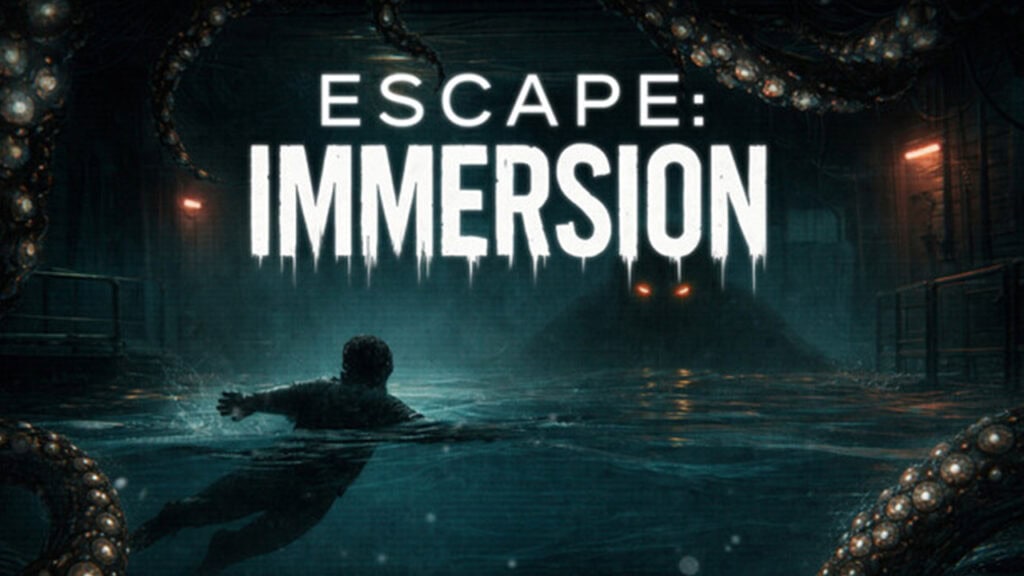
One of the strongest messages behind Road to Empress II is that experience alone is never enough; perseverance matters just as much. That immediately reminded me of Escape: Immersion, currently being developed by AzDimension. Despite facing numerous challenges over the years, the team has continued refining its project without giving up. If you enjoy ambitious indie productions built through determination rather than shortcuts, this is a game worth following and adding to your Steam wishlist.
6. Kebab Chefs! Restaurant Simulator
When people think about successful game development, they usually imagine large studios in North America, Japan, or Western Europe.
Few would expect one of Steam’s successful indie stories to begin with just three developers in Istanbul.
That is exactly what makes Kebab Chefs! Restaurant Simulator so interesting.
Instead of chasing the next big trend or trying to reinvent an entire genre, Biotech Gameworks focused on something much simpler. They built a cooperative restaurant simulator around one of the world’s most recognizable foods: kebab. The concept itself wasn’t revolutionary, but it was instantly understandable. Players could build their own restaurant, cook meals together, serve customers, and gradually grow their business.

Sometimes, the best ideas are not the most complicated ones.
They are the ones that people immediately understand and enjoy sharing with friends.
Of course, a simple concept does not mean simple development.
Although the studio consisted of only three developers, building a multiplayer simulation game required far more than creating recipes and restaurant decorations. Every gameplay system affected another. Cooking mechanics influenced pacing, customer behavior affected progression, and multiplayer synchronization introduced technical challenges that single-player games never have to face.
Balancing all of those systems took time.
When Kebab Chefs! Restaurant Simulator entered Early Access on January 19, 2024, the launch wasn’t perfect. According to the developers, players encountered several technical issues during release.
For many independent studios, that is where momentum begins to disappear.
Negative reviews appear.
Players leave.
Developers become discouraged.
Some projects never recover.
Biotech Gameworks chose a different path.
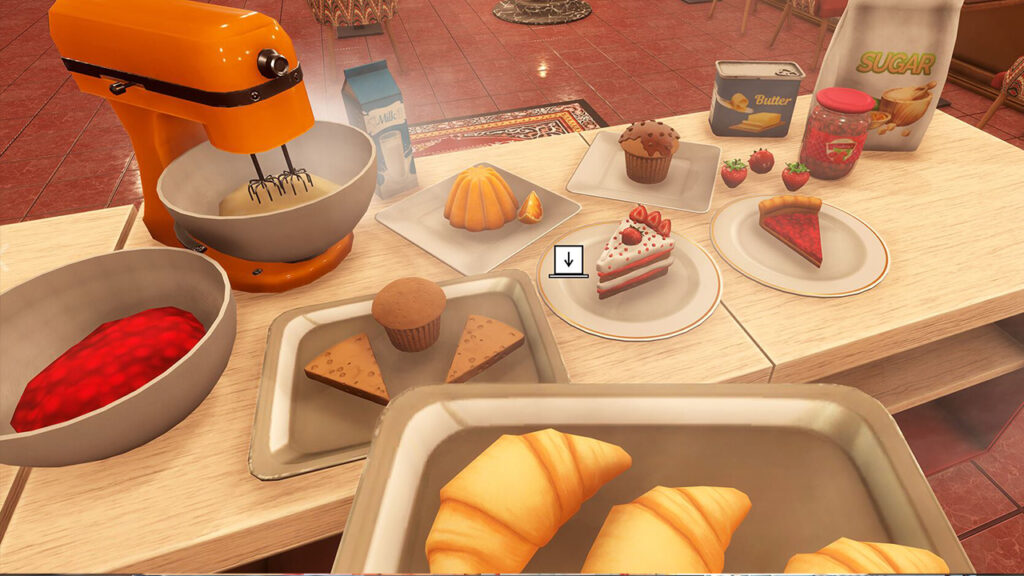
Instead of making excuses, they focused on fixing problems. One update followed another. Bugs were removed, systems improved, and new content continued to arrive. The developers didn’t disappear after launch. They stayed with their community and kept improving the game.
Only 22 days after release, more than 1,000 players were still playing simultaneously, while the game’s Discord community had already grown to around 3,000 members.
Those numbers may seem modest compared to blockbuster games, but they represented something much more important.
Players believed the developers weren’t going to abandon the project.
That trust became one of the studio’s greatest strengths.
Rather than rushing toward a full release, the team allowed the game to remain in Early Access for more than two and a half years. During that time they introduced new recipes, expanded gameplay systems, refined mechanics, and continuously listened to player feedback.
This is one of the biggest advantages of Early Access when used correctly.
It isn’t simply about selling an unfinished game.
It is about building the game together with the community.
As development continued, another important opportunity appeared. The small Turkish studio partnered with Flagship Interactive, strengthening its international publishing and distribution efforts.
For a team of only three developers, partnerships like this can make an enormous difference. Independent development doesn’t mean doing everything alone. Sometimes, knowing when to collaborate is just as valuable as knowing how to build the game itself.
After years of continuous development, Kebab Chefs! Restaurant Simulator officially reached Version 1.0 on June 11, 2026.
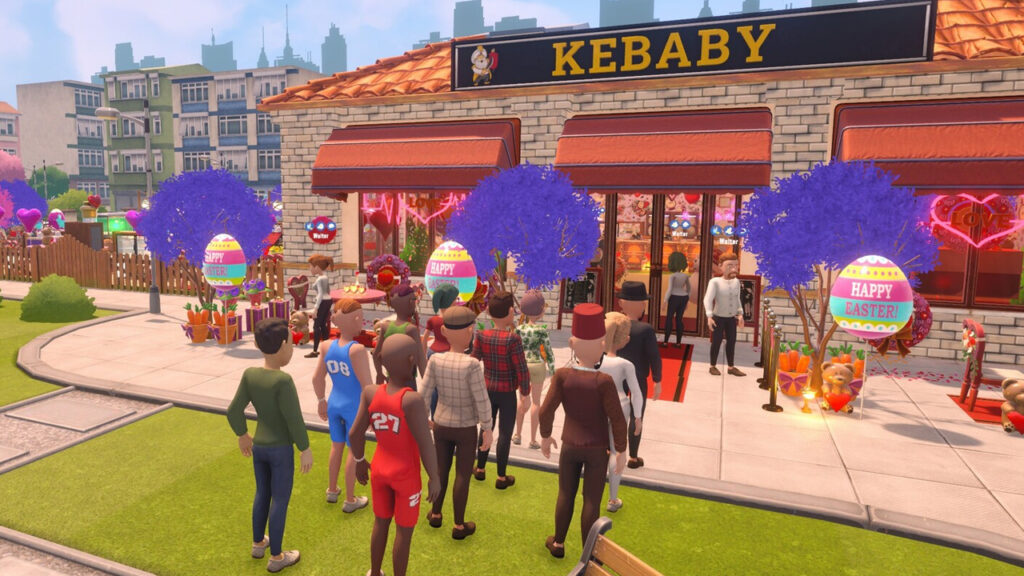
For players, it looked like another successful release.
For the developers, it marked the end of a journey that had lasted more than two years.
Thousands of bug fixes.
Hundreds of community discussions.
Dozens of updates.
Countless hours spent improving systems that many players would never consciously notice.
There is also something symbolic about the game itself.
Kebab is known almost everywhere in the world. Different countries prepare it in different ways, yet nearly everyone recognizes it. By choosing such a familiar theme, the developers unintentionally created a game that could appeal to players across many different cultures.
Sometimes global success doesn’t require creating something unfamiliar.
Sometimes it comes from presenting something familiar in a fun and memorable way.
According to Gamalytic estimates, Kebab Chefs! Restaurant Simulator sold approximately 430,600 copies, generating around $6 million in estimated revenue at a launch price of $17.99.
For three developers working from Istanbul, those figures represent far more than strong sales.
They prove that great games are no longer limited by geography.
Talent can come from anywhere.
Good ideas can come from anywhere.
And with enough patience, even a very small team can build something enjoyed by players all over the world.
Key Takeaway
A successful game doesn’t always begin with a large budget or a massive studio. Sometimes it begins with a simple idea, a small team willing to keep improving, and the patience to earn players’ trust one update at a time.
Another Long-Term Passion Project
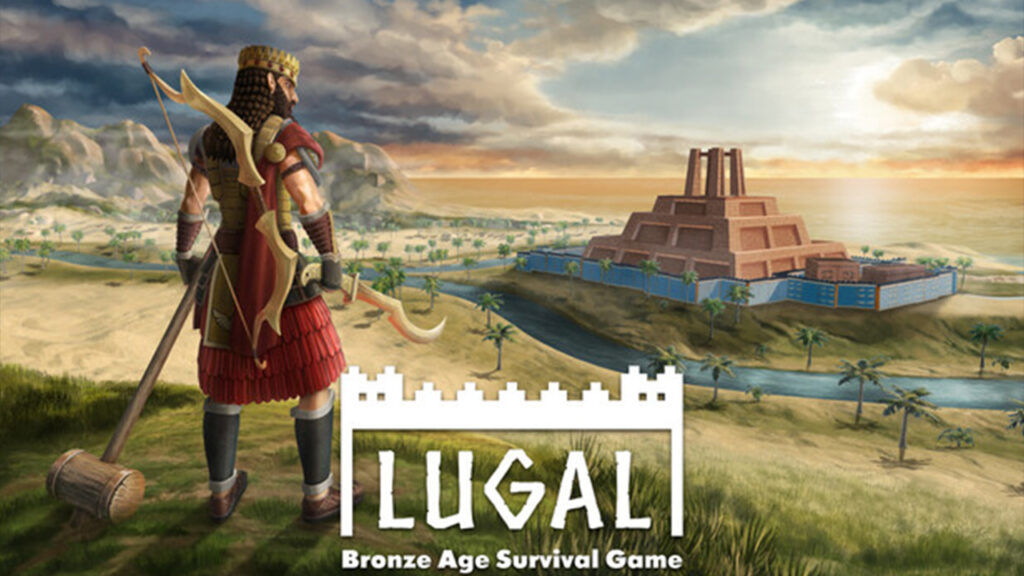
The success of Kebab Chefs! demonstrates that years of steady development often remain invisible until launch day. A similar level of dedication can be found in Lugal: Bronze Age Survival Game, a project developed over many years by a solo creator. Rather than offering a traditional survival experience, the game blends survival crafting, base building, automation, city management, PvE combat, and Bronze Age history as players guide a tribe from humble beginnings to the birth of civilization. If stories like this inspire you, consider adding Lugal to your Steam wishlist and following its journey toward release.
5. SAND: Raiders of Sophie
Some game development stories are defined by creative ideas.
Others are defined by technical innovation.
The story behind SAND is defined by something far more difficult: continuing to build a game while living through war.
The project was developed by two Ukrainian studios: Hologryph, based in Lviv, and TowerHaus, based in Kyiv. Both teams already had experience creating multiplayer games and had collaborated before, making SAND their most ambitious partnership to date.
The game’s setting immediately stood out.
Rather than following familiar historical events, the developers imagined an alternate version of the early 1900s where the Austro-Hungarian Empire had won the space race. Players explore a vast desert that was once part of Galicia, a region historically connected to western Ukraine. While fictional, the world quietly reflects the developers’ own cultural background and history.
Creating an original universe is challenging under normal circumstances.
Creating one while your country is at war is something else entirely.
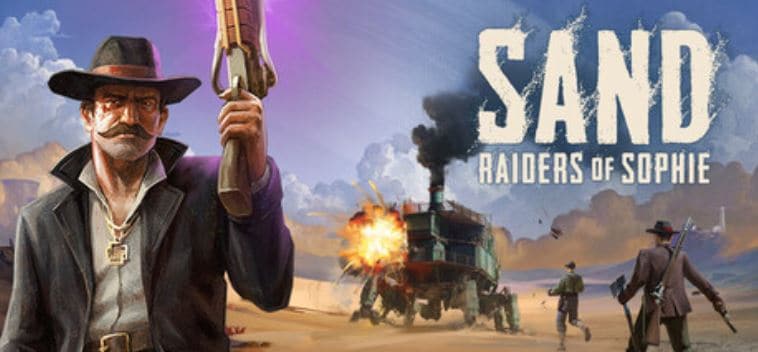
Throughout development, everyday life was repeatedly interrupted by air raid alarms and power outages. Work schedules changed without warning, electricity could disappear at any moment, and progress often depended on circumstances completely outside the team’s control.
For many studios, delays are caused by design changes or technical problems.
For Hologryph and TowerHaus, simply having the opportunity to continue working was sometimes a challenge in itself.
Despite those conditions, development continued.
Then, shortly before release, the team faced another difficult decision.
During a large-scale stress test, thousands of players connected simultaneously to test the game’s servers. While the gameplay performed well, the servers began struggling at roughly 4,000 concurrent players per region. The developers suddenly had two options.
Release the game on schedule and hope players would tolerate the technical issues.
Or delay the launch, disappoint an excited community, and spend more time fixing the problem.
They chose quality over the calendar.
The release was postponed by 12 days.
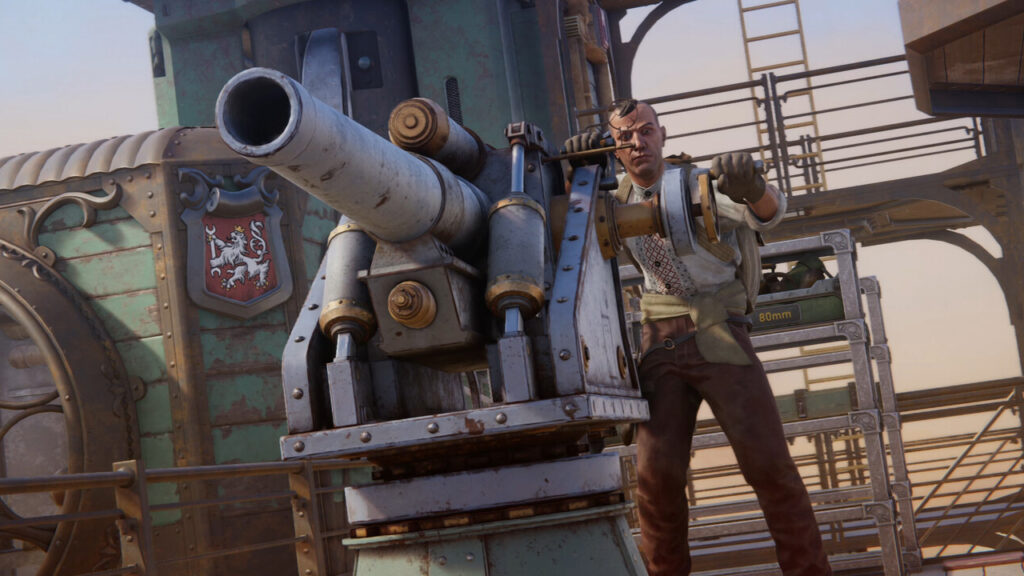
To many players, nearly two weeks may not sound significant. In game development, however, that decision says a great deal about a studio’s priorities. Launch dates can always be changed. First impressions are much harder to repair.
Rather than risking a poor first experience, the team decided that protecting the game’s long-term reputation mattered more than meeting the original deadline.
It wasn’t the easiest decision.
It was probably the right one.
When SAND finally entered Early Access on June 22, 2026, the response quickly justified that patience.
The game reached approximately 100,000 players within its first four days, and only a week after launch that number had already doubled to around 200,000 players.
From the outside, the release looked like another successful Early Access launch.
Most players never saw the uncertainty that came before it.
The interrupted workdays.
The unexpected power outages.
The difficult production conditions.
Or the willingness to delay release rather than compromise quality.
Some of the most important work in game development happens long before players ever click the “Play” button.
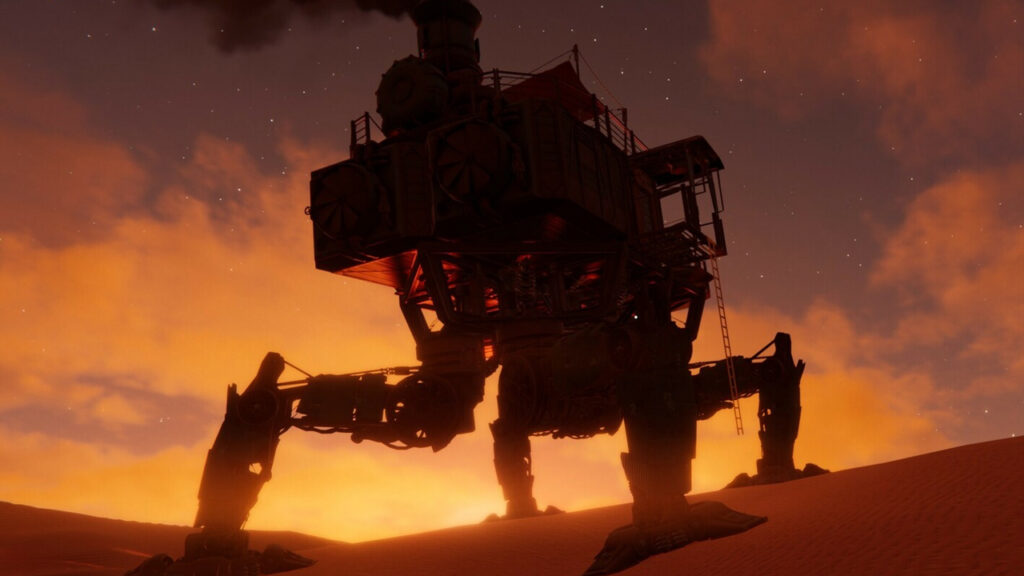
According to Gamalytic estimates, SAND sold approximately 393,700 copies, generating around $7.1 million in estimated revenue at a launch price of $24.99.
Those numbers tell the commercial side of the story.
The human side is even more inspiring.
The developers proved that professionalism is not measured by perfect working conditions. It is measured by the ability to keep moving forward, adapt to unexpected challenges, and make difficult decisions even when circumstances make every step harder than expected.
Sometimes resilience isn’t about refusing to stop.
Sometimes resilience means knowing when to slow down, fix what matters most, and protect the quality of your work before asking players to experience it.
Key Takeaway
Success isn’t just about reaching the finish line first. Sometimes the strongest decision a developer can make is delaying the launch, solving the problem properly, and earning players’ trust instead of rushing toward a deadline.
4. Lost Castle 2
Some successful studios are built around ambitious new ideas.
Others are built by improving one good idea over many years instead of constantly chasing the next trend.
That is the story behind Lost Castle 2.
The journey began in 2013, when three university friends in China decided to start making games together. Like many independent developers, they had no large studio behind them, no famous publisher, and no guarantee that anyone would ever play what they created. What they did have was a shared passion for game development and the willingness to keep learning.
Their first major project, Lost Castle, launched in 2016. The game quickly found an audience in China before gradually reaching players around the world. To support its international release, the team partnered with Another Indie Studio, and later worked with Neon Doctrine, a publisher whose own history closely mirrored their own.
Interestingly, Neon Doctrine also started as a tiny operation.
What began with only a handful of people eventually grew into a publisher supporting dozens of indie games around the world.
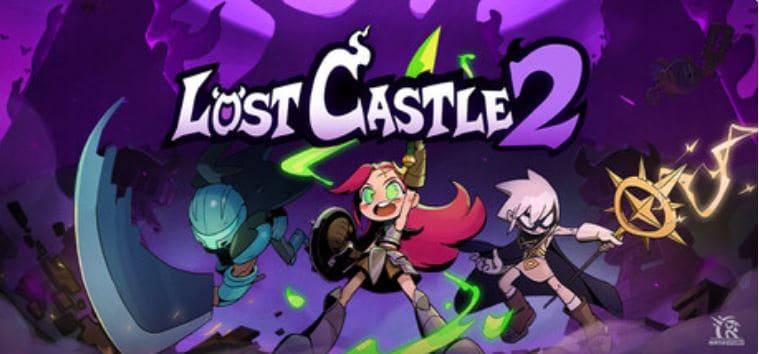
Hunter Studio experienced similar growth. What started with three founders slowly expanded into a team of around 40 developers, with approximately 18 people dedicated specifically to Lost Castle 2. Their success wasn’t built through explosive growth overnight. It came from years of steady expansion, one project at a time.
Many studios, after finding success with a first game, immediately move on to something completely different.
Hunter Studio chose another approach.
Instead of abandoning the series, they invested in making it better.
When Lost Castle 2 entered Early Access, the developers made it clear that the game was still evolving. Rather than treating Early Access as an early launch, they treated it as an opportunity to develop the game alongside the community.
Players weren’t simply customers.
They became part of the development process.
Throughout more than a year in Early Access, the team continuously gathered feedback, adjusted mechanics, balanced gameplay, introduced new features, and improved the overall experience. During that period alone, the game sold more than 700,000 copies, despite not yet being considered a finished product.
That level of trust says something important.
Players were willing to support the project because they believed the developers would continue improving it.
And they did.
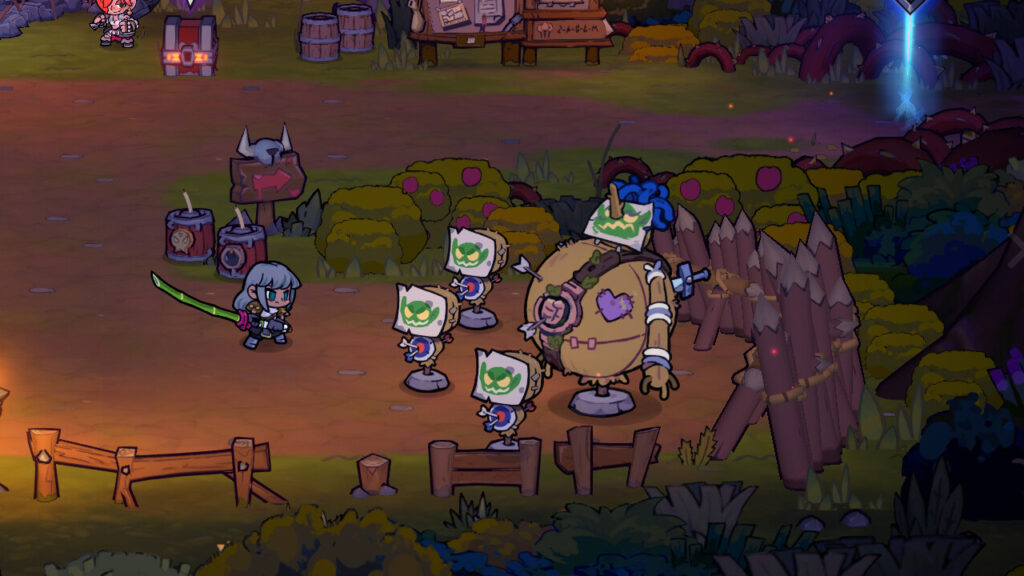
After more than a year of updates and community feedback, Lost Castle 2 officially launched Version 1.0 on June 11, 2026. The full release completed the main storyline, introduced the highest difficulty levels, and delivered the polished experience the developers had been working toward since Early Access began.
For many players, Version 1.0 simply marked the moment the game became “complete.”
For the developers, it represented years of continuous work, countless design decisions, and the patience to refine the game instead of rushing toward the finish line.
By that point, the Lost Castle franchise had sold approximately three million copies across both titles, proving that a small university project had grown into a globally recognized series.
Success didn’t come from creating dozens of different games. It came from continuously improving one strong foundation.
According to Gamalytic estimates, Lost Castle 2 sold approximately 1 million copies, generating around $9.7 million in estimated revenue at a launch price of $17.99.
Those are impressive numbers for any independent studio, but perhaps the most valuable lesson isn’t found in the sales figures.
Many developers believe success requires constantly creating something completely new.
Hunter Studio’s journey suggests another perspective.
Sometimes the smartest decision is to take something players already love, listen carefully to their feedback, and spend years making it even better.
Building trust takes time.
Maintaining that trust takes even longer.
Hunter Studio managed to do both.
Key Takeaway
A great game doesn’t always need a completely new idea to succeed. Sometimes long-term success comes from improving an existing foundation, listening to players, and having the patience to refine a game until it reaches its full potential.
3. Hot Dogs, Horseshoes & Hand Grenades
Many games spend a year or two in Early Access before reaching a full release.
Hot Dogs, Horseshoes & Hand Grenades spent more than a decade proving that patience can become one of a developer’s greatest strengths.
The story begins long before the game itself. Its creator, Anton Hand, became interested in virtual reality at a time when the technology was still considered experimental. Long before VR headsets became widely available, he had already been experimenting with immersive environments using a university CAVE VR system, even creating interactive weapon prototypes simply to explore what the technology could become.
His enthusiasm continued when the original Oculus Rift Kickstarter campaign launched. Anton was one of its earliest supporters, believing in VR years before it became a commercial market.
Back then, very few developers were willing to build games for hardware that barely existed.
Sometimes the biggest opportunities belong to the people who believe in a technology before everyone else does.

In early 2016, Anton contacted Valve writer Chet Faliszek, sharing some of his VR experiments and discussing ideas for interactive weapon mechanics. Shortly afterward, he began building what would eventually become Hot Dogs, Horseshoes & Hand Grenades.
What happened next was surprisingly fast.
After only seven weeks of development, the game entered Steam Early Access on April 5, 2016.
From today’s perspective, that launch almost looks unfinished.
And in many ways, it was.
But that was never the point.
Instead of trying to create the perfect VR shooter before release, Anton adopted a very different philosophy.
Release early. Improve constantly. Never stop listening.
That philosophy would define the project for the next ten years.
Week after week, month after month, Anton published development videos documenting his progress. Players didn’t simply receive patch notes.
They watched the game evolve in real time.
New firearms appeared.
New mechanics were introduced.
New game modes expanded the experience.
Sometimes updates added serious gameplay improvements.
Sometimes they added jokes that reflected the community’s personality.
Those regular developer logs created something far more valuable than marketing.
They created trust.
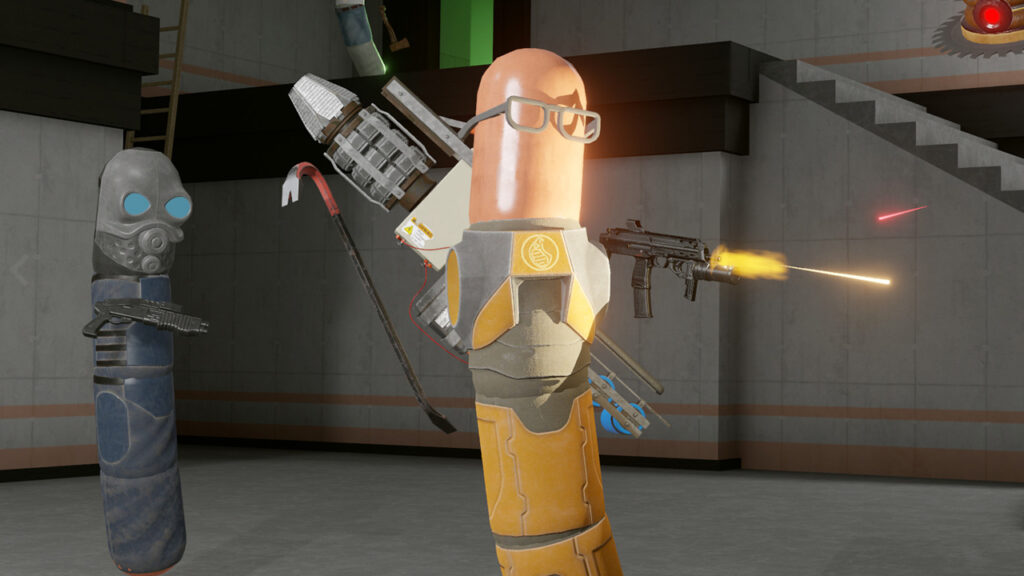
Players always knew the project was moving forward because they could watch its progress with their own eyes.
Over time, what had started as a solo passion project gradually evolved into RUST LTD., as additional people joined development. Yet despite the studio’s growth, the relationship between the developers and the community never disappeared.
One of the best examples is Meatmas, an annual holiday event held every year since 2016.
Rather than simply releasing seasonal content, the developers encouraged players to submit their own creations. Many community-made ideas eventually became part of the game itself, turning players into contributors instead of passive customers.
The community wasn’t standing outside development. It became part of it.
As the years passed, the numbers quietly became extraordinary.
More than 120 major updates.
Hundreds of detailed firearms.
Dozens of gameplay modes.
Countless quality-of-life improvements.
Every update represented another small step forward.
Individually, each addition seemed minor.
Together, they transformed the game into one of the most content-rich VR experiences available on Steam.
Finally, on July 4, 2026, after more than 10 years and three months in Early Access, Hot Dogs, Horseshoes & Hand Grenades officially reached Version 1.0.
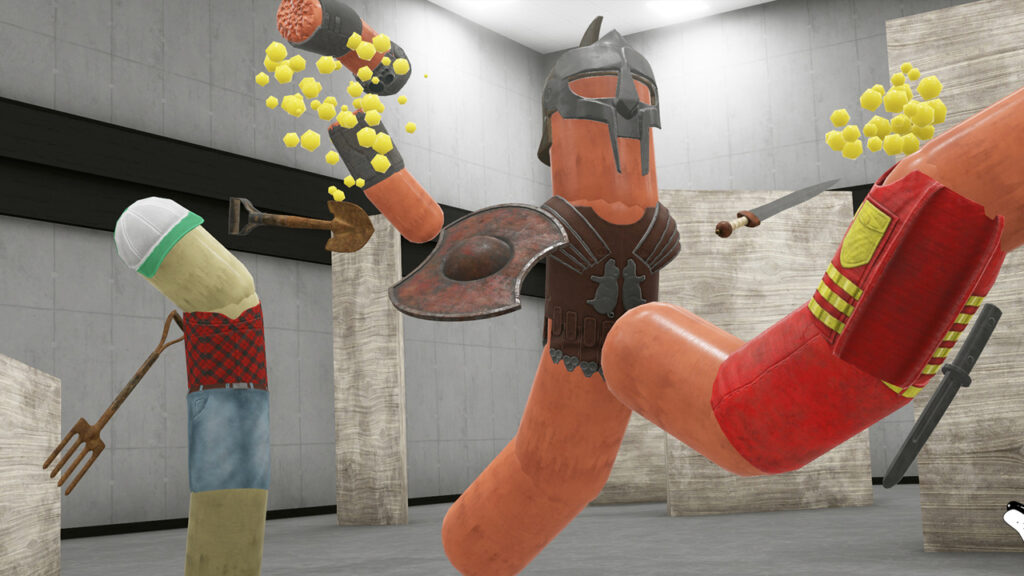
For many developers, spending a decade on a single game would seem impossible.
For Anton Hand, it simply meant continuing to improve something he genuinely loved building.
Interestingly, the journey didn’t even end there.
By the time Version 1.0 arrived, work had already begun on H3VR2, a sequel being developed with partial support from Meta, showing that the experience gained over ten years was already shaping the studio’s future.
According to Gamalytic estimates, Hot Dogs, Horseshoes & Hand Grenades sold approximately 648,700 copies, generating around $12.2 million in estimated revenue at a launch price of $19.99.
Those numbers reflect an impressive commercial success, but they only tell part of the story.
The real achievement wasn’t reaching Version 1.0.
It was maintaining the same level of passion, consistency, and communication for more than ten years without giving up.
In an industry where many projects are canceled after only a few months, that level of commitment is exceptionally rare.
Sometimes success isn’t about building the biggest game.
Sometimes it’s about continuing to improve the same game long after everyone expects you to stop.
Key Takeaway
Great games are rarely finished overnight. Consistent updates, honest communication, and years of steady improvement can build something that lasts far longer than a successful launch ever could.
Another Passion Project Worth Following
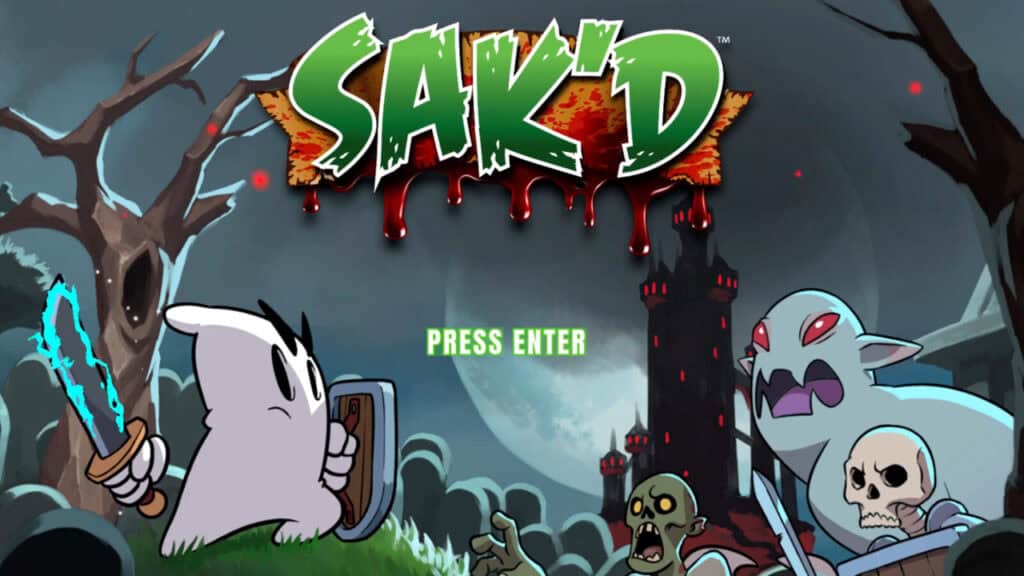
The decade-long journey behind Hot Dogs, Horseshoes & Hand Grenades is a reminder that some games simply can’t be rushed. That same passion comes to mind when I look at SAK’D, an upcoming hand-drawn 2D action-adventure from Alchemy Interactive. After years of development, including difficult decisions during the pandemic, the team chose to keep moving forward rather than abandon the project, gradually shaping an ambitious Metroidvania-inspired adventure filled with exploration, puzzles, magic, and challenging combat. If you enjoy supporting long-term indie passion projects before they launch, SAK’D is definitely worth adding to your Steam wishlist
2. The Scroll of Taiwu: Beyond The Dome
Many successful games begin with a detailed roadmap, an experienced team, and a clear understanding of what the final product will become.
The Scroll of Taiwu followed a completely different path. It started as a small passion project, then grew far beyond what its own creators had ever imagined.
The story begins with a Chinese developer known by the nickname Qiezi (“Eggplant”), whose real name is Zhen Jie. Like many aspiring developers, he wasn’t backed by a large company or an experienced studio. Instead, he began experimenting with RPG Maker, creating a small prototype inspired by traditional Chinese Wuxia stories.
Neither he nor the small team around him considered themselves professional programmers at the time.
They simply wanted to create the kind of RPG they wished existed.
Sometimes a great project doesn’t begin with confidence. It begins with curiosity.
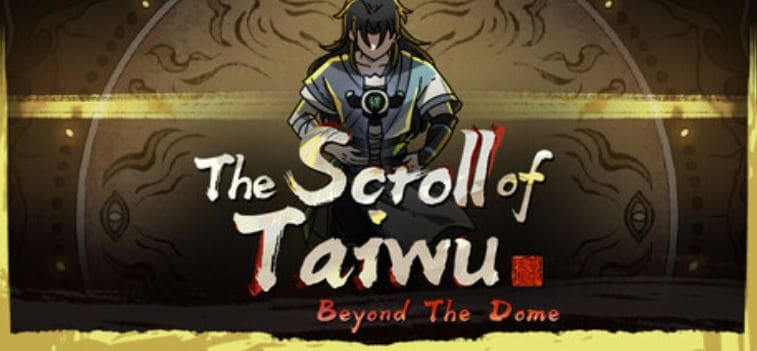
When The Scroll of Taiwu entered Steam Early Access in September 2018, expectations were relatively modest. The developers believed they were creating a project that would take only two or three years to finish.
Players had a very different idea.
The game immediately attracted attention, selling more than one million copies within its first two months. That kind of success would normally encourage a team to finish the remaining work as quickly as possible.
Instead, something unexpected happened.
The community kept asking for more.
Not more content.
A bigger world.
More freedom.
More simulation systems.
More possibilities.
As the developers listened to feedback, they realized players didn’t want a small martial arts RPG anymore.
They wanted an entire living world.
That realization completely changed the direction of development.
The original roadmap was abandoned, and the project expanded far beyond its initial scope. Features that had never been planned slowly became part of the game. Thousands of procedurally generated characters were introduced, each capable of living their own lives inside the world.
The developers built systems for marriage, children, inheritance, relationships, rivalries, and entire generations of families. Hundreds of martial arts techniques were added, allowing players to develop their own fighting styles while interacting with a world that constantly evolved around them.
The more they built, the more possibilities appeared.
And with every new system, the game became increasingly difficult to finish.
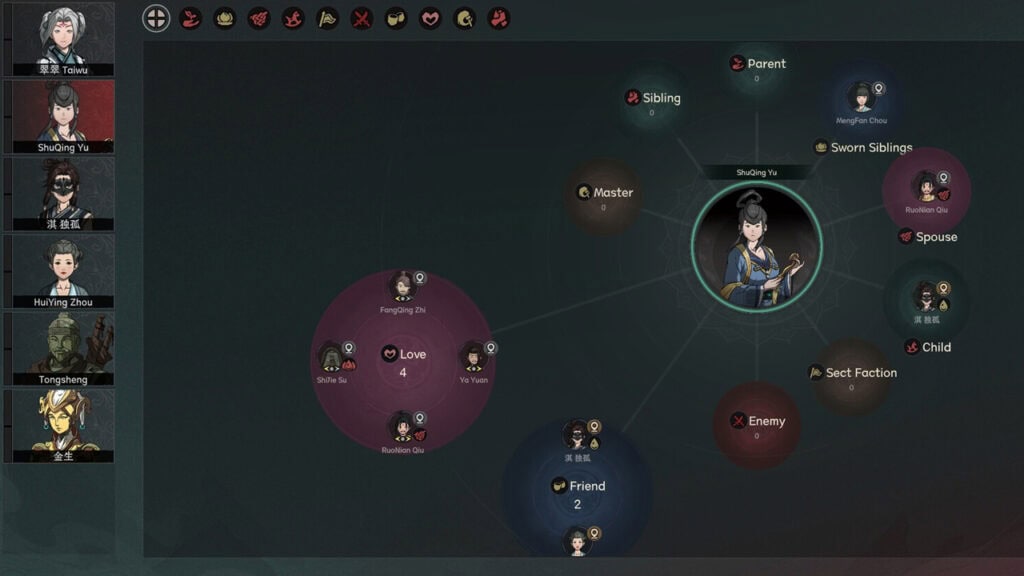
What was originally planned as a two or three-year project eventually became an eight-year journey.
One of the clearest examples of that growth was the game’s script.
As development continued, the amount of written content expanded beyond five million words, making it one of the largest game scripts ever created. That enormous scale also created new challenges.
Translating such a massive project into English wasn’t simply expensive.
It became a technical and logistical challenge of its own.
For years, language remained one of the biggest barriers preventing international players from experiencing the game.
Meanwhile, the project continued to grow inside China, eventually reaching approximately 3.4 million players. Despite that success, the developers never abandoned their goal of making the game accessible to a wider audience.
Finally, on June 17, 2026, The Scroll of Taiwu received its first complete English localization, opening the door for players around the world after nearly eight years of development.
For international audiences, it looked like a new release.
For the developers, it represented the completion of a journey that had started with a small RPG Maker prototype years earlier.
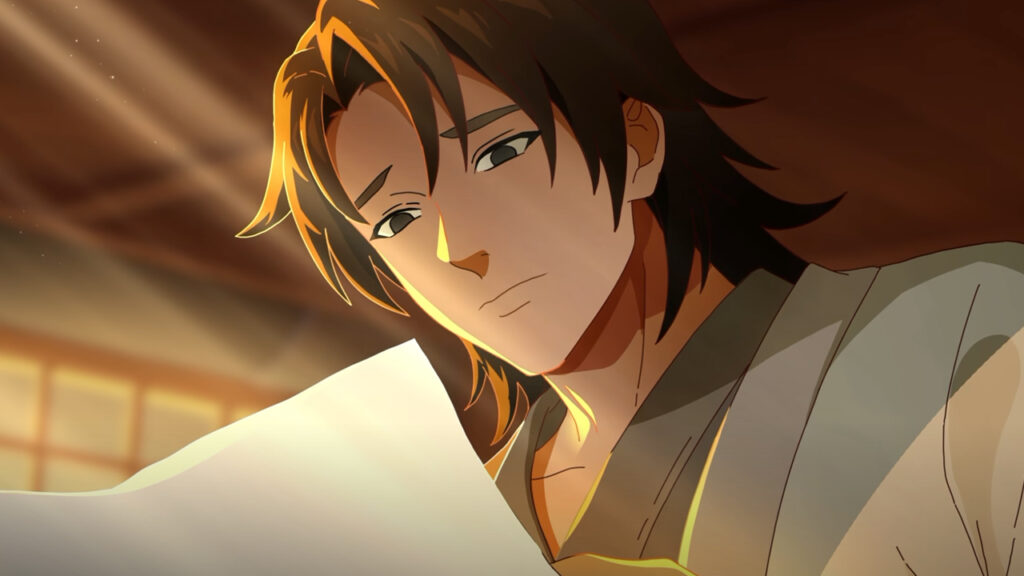
According to Gamalytic estimates, The Scroll of Taiwu: Beyond The Dome sold approximately 2 million copies, generating around $24.5 million in estimated revenue at a launch price of $29.99.
Those numbers are impressive, but they only tell part of the story.
The real lesson comes from the developers’ willingness to change their original vision.
Many creative projects fail because their creators refuse to adapt.
The team behind The Scroll of Taiwu did the opposite.
They listened.
They expanded.
They accepted that the game players wanted was much larger than the game they had originally planned to build.
That decision transformed a small independent RPG into one of China’s most successful indie game stories.
Sometimes success isn’t about perfectly following your original plan.
Sometimes it’s about having the courage to admit that your community has shown you a better one.
Key Takeaway
The best creative visions are not always the ones that stay unchanged. Sometimes true success comes from listening, adapting, and allowing a small idea to grow into something far greater than you originally imagined.
1. MECCHA CHAMELEON
Some games spend years in development.
Others are backed by large teams, expensive marketing campaigns, and million-dollar budgets.
MECCHA CHAMELEON proved that sometimes none of those things are necessary.
The story begins with two Japanese developers known online as lemorion_1224 and Haganeiro. Before creating their own Steam success, they had already been building small experiences inside Fortnite, developing maps such as Penguin Hotel and LINK Penguins. Those projects were never intended to become global hits, but they gave the developers something far more valuable than immediate success.
Experience.
Every map they built helped them understand level design, multiplayer systems, player behavior, and production workflows. Looking back, those smaller projects became the foundation for everything that came next.
No experience is ever truly wasted if it prepares you for your next opportunity.
The idea behind MECCHA CHAMELEON arrived in an unexpectedly ordinary way.
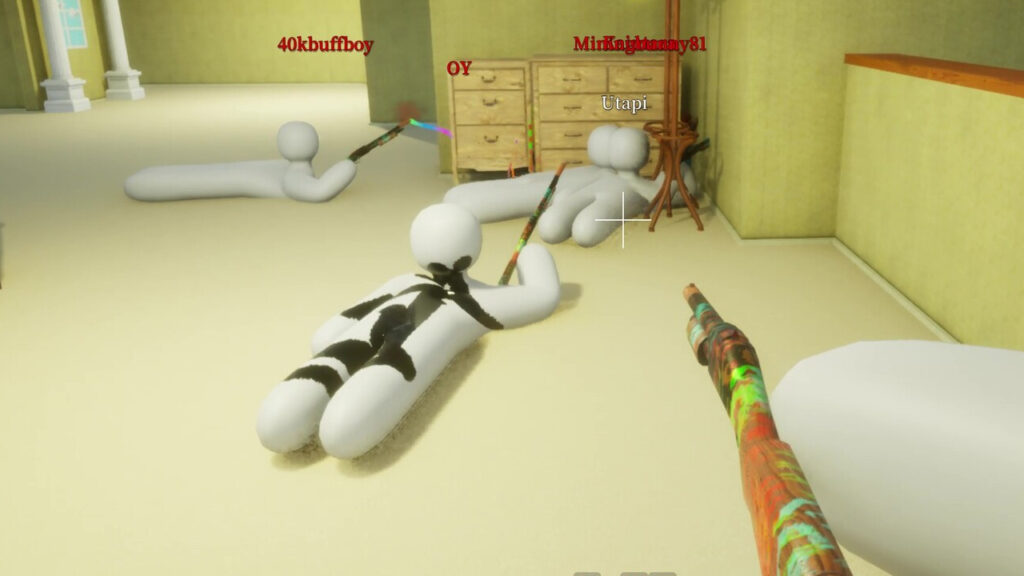
While playing Fortnite hide-and-seek modes together, lemorion remembered seeing a television program featuring an artist who painted their body to blend perfectly into the surrounding environment.
The thought was simple.
“What if that became a game?”
Some ideas remain ideas forever.
This one didn’t.
The very next day, development began.
Haganeiro focused on programming the game’s core systems while lemorion created maps, environments, and 3D assets. Instead of starting entirely from scratch, the pair reused backend systems they had already developed for previous Fortnite projects.
That decision saved valuable development time.
It also demonstrates an important lesson that many developers overlook.
Every previous project can become a building block for the next one.
Even with that advantage, creating the game wasn’t effortless.
One of the environments, Hide-and-Seek Mansion, reportedly required almost an entire month to complete on its own. While the overall development lasted only about two months, those weeks were filled with constant testing, iteration, and refinement.
From the outside, people often remember only the headline.
“A game made in two months.”
What they rarely notice are the years of experience that made those two months possible.
The game officially launched on June 10, 2026.
Unlike many successful releases, there was no expensive advertising campaign behind it.
No major publisher.
No massive marketing budget.
Even server costs were kept remarkably low by using Epic Online Services, allowing the developers to focus almost entirely on building the game itself.
Then something happened that no amount of paid advertising could have guaranteed.
Content creators discovered the game.
Streamers began playing it.
Videos spread across social media.
Players invited their friends.
The internet effectively became the marketing department.
The game wasn’t pushed toward players. Players pulled the game toward everyone else.
What followed was one of the fastest growth stories of the year.
The game reportedly reached one million players within four days.
Only one day later, that number had already doubled to two million.
Within just a few weeks, it had surpassed ten million players, while reaching approximately 340,000 concurrent players on Steam, placing it among the platform’s biggest releases.
The speed of that growth surprised almost everyone.
From the outside, it looked like an overnight success.
In reality, it was built on years of accumulated knowledge, previous projects, and the ability to recognize a simple but original idea when it appeared.
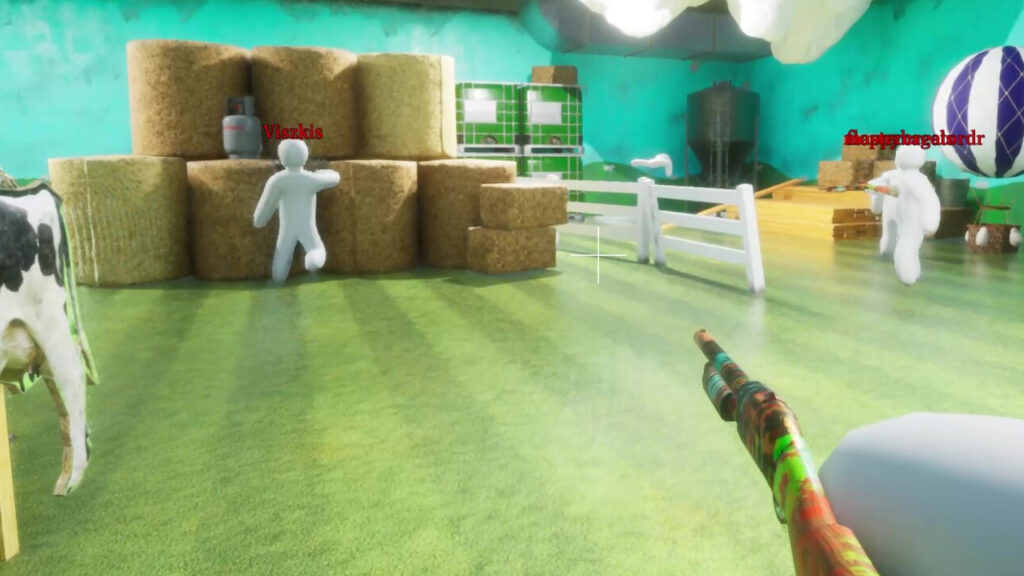
According to Gamalytic estimates, MECCHA CHAMELEON sold approximately 11.9 million copies, generating around $57.6 million in estimated revenue at a launch price of $5.99.
Those numbers are extraordinary.
But perhaps they aren’t the most important part of the story.
The biggest lesson is how ordinary the beginning was.
Two developers.
A conversation while playing Fortnite.
An idea inspired by a television program.
No marketing budget.
No large company.
No massive development team.
Just two people who decided not to ignore an interesting idea.
Looking back at every game in this list, a pattern becomes impossible to ignore.
Some projects began as university assignments.
Some started with abandoned prototypes.
Some survived years of Early Access.
Some were built during incredibly difficult circumstances.
Some were created by teams of only two or three people.
None of them followed the same path.
The only thing they truly had in common was that someone kept going long enough to give their idea a chance.
Key Takeaway
Success rarely belongs to those who have the biggest budgets or the largest teams. More often, it belongs to those who recognize a good idea, keep improving their skills, and have the courage to keep building long after most people would have given up.
Final Thoughts
If you’ve made it this far, you have probably noticed something surprising.
These ten games have almost nothing in common on the surface.
Some were built by AAA veterans.
Some by university students.
Some by solo developers.
Some by teams of three.
Some spent years in Early Access.
Others were developed in only a few months.
Some relied on deep historical storytelling.
Others focused on creating hilarious multiplayer moments.
One studio continued working during wartime.
Another spent nearly a decade refining a single project.
One developer abandoned an earlier game because it wasn’t good enough.
Another transformed a university assignment into a successful company.
Different genres.
Different countries.
Different budgets.
Different cultures.
Yet despite all those differences, every story points toward the same conclusion.
Success almost never begins where the public first notices it.
Players see launch day.
Developers remember everything that came before.
The failed prototypes.
The abandoned ideas.
The rejected concepts.
The bugs that took weeks to solve.
The financial uncertainty.
The nights spent wondering whether anyone would ever play the finished game.
When a game suddenly appears on bestseller lists, people often call it an overnight success.
But “overnight” is usually just another way of describing years of invisible work.
That is why these stories matter.
Not because they promise that hard work always leads to millions of sales.
It doesn’t.
The game industry remains one of the most competitive creative industries in the world.
Many talented developers build excellent games that never receive the attention they deserve.
There is no guaranteed formula.
No checklist.
No secret algorithm.
However, these stories reveal patterns that appear again and again.
Keep learning.
Finish what deserves to be finished.
Don’t be afraid to abandon what clearly isn’t working.
Listen to your community.
Build relationships.
Stay curious.
Protect quality.
Be patient.
Most importantly, don’t compare your first chapter to someone else’s tenth.
Every successful developer in this article spent years becoming the person capable of building the game that eventually changed their career.
Perhaps you’re doing exactly the same thing right now, even if nobody can see it yet.
Thank You for Reading
If even one of these stories changed the way you think about success in game development, then this article achieved its purpose.
The next time you see a game dominating Steam charts, try to look beyond the sales numbers.
Ask yourself a different question.
“What happened before everyone started paying attention?”
More often than not, that’s where the real story begins. There are many more stories hidden behind successful games, and those stories deserve to be told.
If you enjoy in-depth research, game industry analysis, development stories, and data-driven articles like this, I’d love to connect with you on LinkedIn. Follow my profile for future articles, and if you find my content valuable, consider engaging with my posts. Your support helps these insights reach a wider audience while ensuring you don’t miss future research and industry updates. Don’t forget to subscribe to the Mobidictum newsletter so you’ll never miss future articles, industry insights, and exclusive content.