
Kelvin Ahn, Head of APAC at Aghanim, explores one of the biggest strategic questions surrounding Direct-to-Consumer (DTC) monetization: the balance between expanding margins and maintaining valuable platform support. Kelvin explains why studios should evaluate DTC beyond simple revenue gains, covering platform dependency, lifecycle timing, player migration strategies, and how leading publishers are measuring the tradeoff instead of avoiding it.
When studios evaluate Direct to Consumer (DTC) strategies, the financial logic is usually the easy part. Move part of high value payer activity into a direct channel, and the net revenue per user improves. The math is clear.
However, there’s other variables that rarely enter the model, one of which is the support platforms provide, and what studios believe they risk when they lean away from it. That perception can shape DTC strategy more than the financial model itself.
The Tension Most Teams Feel But Rarely Name
Platforms are not passive distribution pipes. They provide featured placements, user acquisition support, and marketing visibility across their storefronts.
For a studio at launch or in early growth, that support carries real economic weight. Featured placement can lower effective CAC, accelerate installs during a critical window, and add credibility in a crowded category. The relationship is not only technical. It has commercial value.
DTC adds a parallel operating layer. After players arrive through the platform, the studio can build direct relationships, engagement and monetization with selected segments. These goals can coexist, but they create tension that most teams manage through compromise rather than analysis.
Studios rarely have a clear way to quantify how direct channel promotion may affect future platform support. So perceived risk starts to replace measured risk.
The Pattern That Emerges From Unresolved Tension
Left unmodeled, the tradeoff resolves into partial commitment. The channel gets built, then barely promoted.
This can mean the web channel is live, but the best bundles stay in-app. The offers exist, but nothing points players to them at the moment they are about to buy. Campaigns start, then stop before player behavior actually shifts.
The channel ends up technically live and commercially invisible. Not active enough to move revenue and not active enough to teach the team anything about platform risk.
Underneath it all sits one question the finance model never captures. Not “how much more can we make?” but “what might we lose?” Will we still get featured? Will the next launch get the same support? The answers are unclear, and the uncertainty alone is enough to slow everything down.
What Changes When the Tradeoff Is Measured
The studios that navigate this well do not choose between platform and DTC. They measure where each channel creates value, then sequence the two.
The analysis comes down to four questions.
- Platform value. What value does platform support actually create? Featured placements, UA support, and storefront visibility can matter, especially at launch. The useful question is how much of the install base came from those moments, how those cohorts converted into payers, and how long the effect lasted.
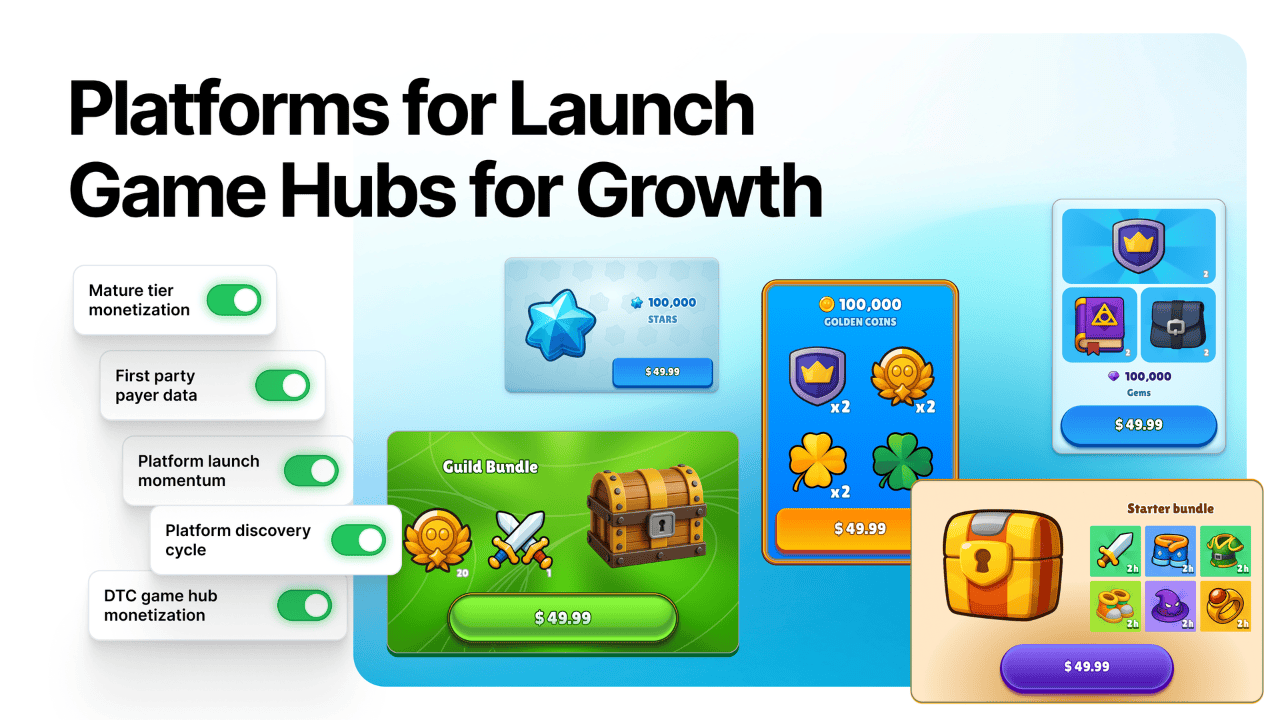
- DTC value. How does that compare with margin expansion through DTC? A shifted transaction creates an immediate margin difference. A direct channel also creates longer term value through first party data, studio owned player relationships, pricing flexibility, and better offer control. These are different return profiles, and they should be compared over time.
- Timing. When should each layer do the work? Platform support tends to matter most at launch. DTC becomes more valuable during growth and retention, once payer behavior is established and offer optimization has more signal. In this framing, the tradeoff is a sequencing question, not a binary choice.
- Segment migration. Which players move first? The strongest DTC economics come from the payer segments where direct channel value is highest. Players with proven spend history, higher basket potential, or a stronger response to premium web offers. The operational risk is lower and the margin per shifted transaction is higher.
In the case of Celtic Heroes, an Aghanim powered game hub delivered a +44% incremental revenue uplift in eight days, with no cannibalization of mobile purchases and zero critical incidents.
In Fortune Mine’s Coin Chef case, web revenue share grew from 18% to 40% globally, while US iOS reached 60%.
The Strategic Shift Already Underway
Another change is reshaping how studios think about platform dependence. For many mid to large publishers, paid acquisition, owned channels, and first party engagement now carry more of the lifecycle economics alongside featured placement.
As that continues, the cost of leaning away from platforms changes. Studios are starting to put a number on the dependency, and many find it lighter than expected.
Our View of Distribution
At Aghanim, we see the platform and DTC relationship as parallel layers, not competition. Each channel does what it does best, without making the tradeoff sharper than it needs to be. The model follows the natural structure of the player journey. Platforms support entry, and the studio’s own infrastructure manages the relationship from there.
The question teams ask most is whether DTC will cost them platform support. The better question is how much that support is worth to them now, and how its value changes as the player base matures. Modeled by cohort and lifecycle stage, it stops being a question about risk and becomes one about architecture. Which players should move, when, and what gives them a reason to return.
DTC is a strategic decision, and like most strategic decisions, it comes with a tradeoff. The strongest teams do not avoid that tradeoff. They measure it. The question was never whether DTC works. It is when and how you choose to lean into it.