
As the games industry continues to navigate widespread layoffs and a difficult hiring environment, smaller studios are finding themselves with access to experienced developers who may previously have gravitated toward major publishers.
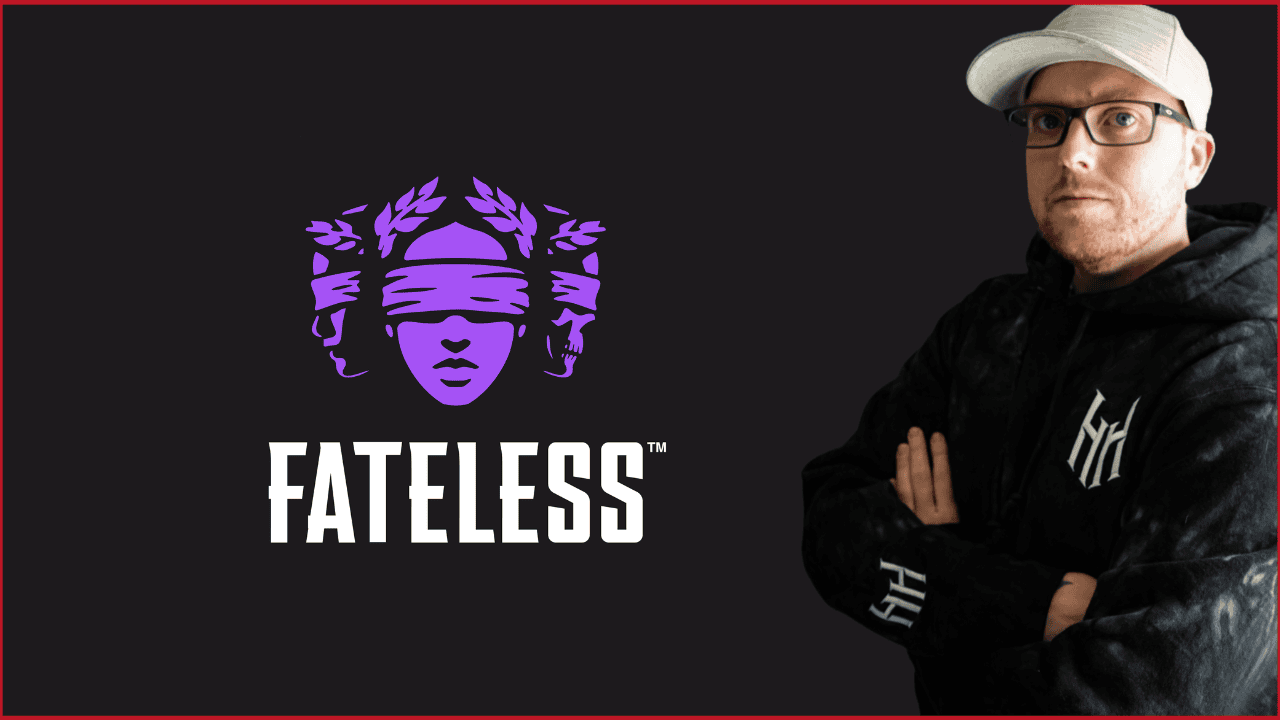
Fateless Co-Founder Dan Francis spoke with Mobidictum about how the studio has built a team featuring talent from companies including Microsoft, Riot Games, Sony, EA, SEGA, Netflix, and Plarium, while continuing to invest in graduates and the next generation of game developers.
The games industry has seen nearly 50,000 layoffs since 2022. How has this period reshaped the talent landscape for independent studios like Fateless, and what opportunities or challenges has it created?
50,000 layoffs is 50,000 people, and plenty of them are still looking. I’d be wary of anyone in my position calling that an opportunity — the talent didn’t become available, it became displaced, and it’s a very hard time for the families it’s hit.
What has genuinely changed is access. People who spent ten or fifteen years inside large studios will now take a call from a studio our size. Because our backing and route to market are different, we’ve brought in people with real shipped-at-scale experience who wouldn’t have looked at a startup with no major backing three years ago.
Fateless has been able to build its band of experienced professionals, not only through events and networking, but also by having a project that us and our community truly believe in. What we offer is that your work is in the build the same week you did it — no six-week note from someone who’s never played the game.
Fateless has brought together professionals from companies including Microsoft, Riot Games, Sony, EA, SEGA, Netflix, and Plarium. When speaking with experienced developers coming from larger organizations, what are they looking for today that they may not be finding at major publishers?
I would say that it’s not that those companies are doing anything wrong. They operate at a scale where you need process, and the process exists for good reasons. It’s a trade-off, not a complete failure.
But the thing I hear almost every time is that people have years of work nobody has ever played. A project gets three years in, it doesn’t come out, and you can’t even talk about it. That’s a painful thing to carry as an artist or creative.
The other half is ownership. At a large publisher you get very good at a narrow slice of something, and after a decade some people want the whole system back — to own an area end-to-end and be accountable for whether it’s good. On a team our size, the people deciding what goes in the game, are the people playing it that afternoon.
I’d add that we’re not the right move for everyone, and we try to be upfront about that. Working at a smaller studio can look very different from working at a giant corporation, and we have fewer resources at this stage. But what we can offer is valuable too, which is why we have managed to put together a band of such experienced professionals.
Fateless has invested in both experienced industry veterans and graduates entering the games industry. Why is it important to build a team that combines both experience and fresh perspectives?
Our veterans earn their weight in gold from past mistakes. It’s not that they’re more talented — sometimes they are, sometimes they aren’t — it’s that they’ve watched a particular decision go badly before, so they can flag it six months before it costs us. You can’t hire that any other way and you can’t teach it quickly.
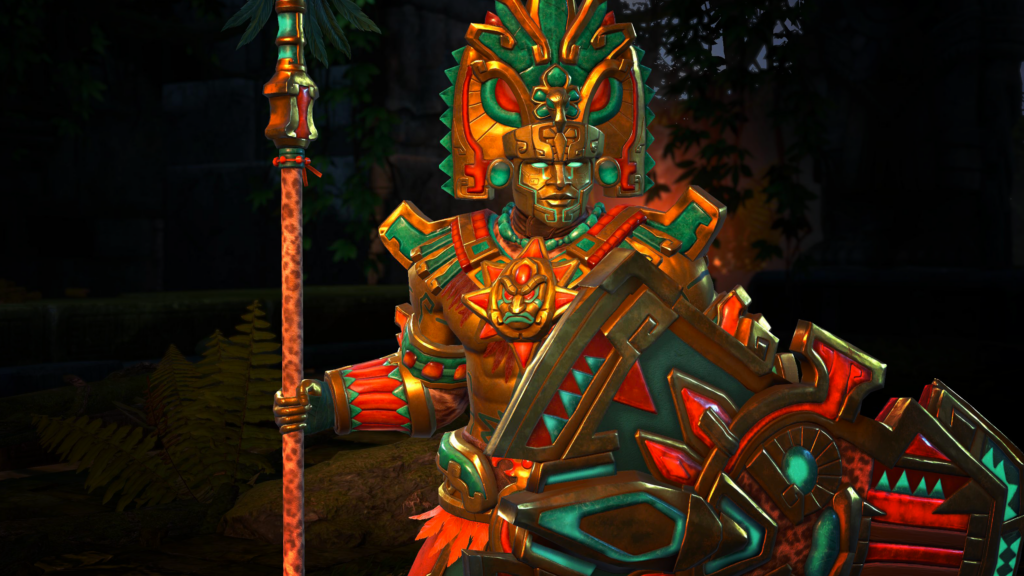
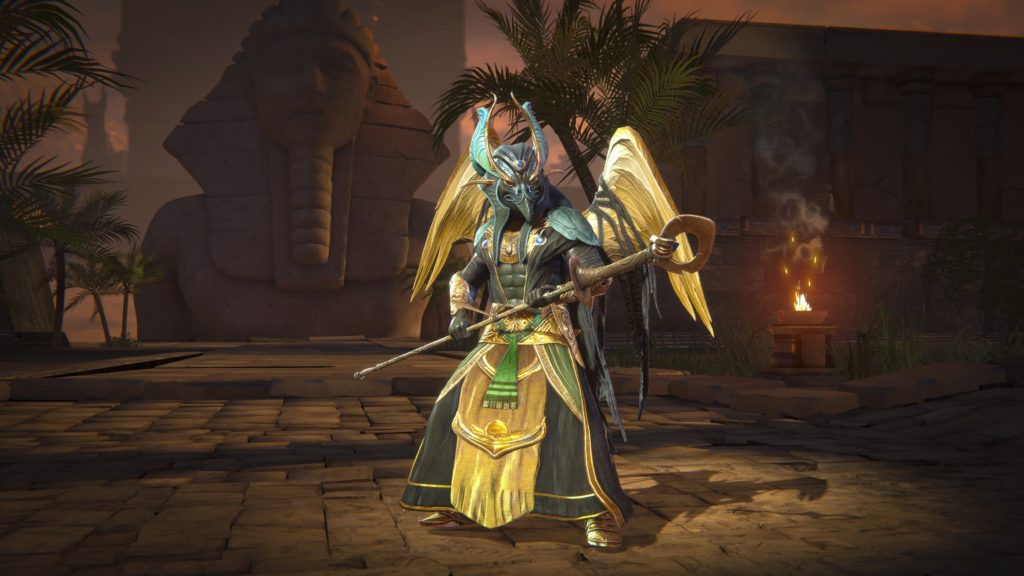
But I’d resist the idea that the graduates are there just for energy or fresh eyes, which is how it usually gets described, and honestly can be a bit condescending. Godforge is a mobile hero-collector. Someone who’s twenty-two and has been playing this genre or other games on their phone since they were fourteen knows things about it that someone with fifteen years on console doesn’t. That’s not a fresh perspective; it’s domain expertise — and they haven’t learned yet what’s supposed to be impossible.
What actually determines whether it works is whether the junior people get real work. If graduates are doing the tasks nobody senior wanted, you’ve just made yourself feel good about your hiring. They need something that ships, with their name on it and someone accountable for helping them get it right. On a team our size a graduate sees the whole game rather than one corner of it. They get to see their ideas come to life in real time.
Fateless has worked closely with Howest University of Applied Sciences in Belgium to recruit and mentor new developers. What initially drew you to Howest, what have you learned from the partnership so far, and do you see opportunities to collaborate with more educational institutions in the future?
Honestly, it started by a bit of luck — which is Fateless in a nutshell — but we create opportunities for luck to happen. In our first year, we got a cold message from a student called Nico who’d seen what we were doing on socials and just reached out. We took a chance on him, it went far better than we had any right to expect, and he’s now one of the strongest people on the Art team. Going back to where he came from wasn’t much of a decision.
What we’ve learned since is that Howest’s programme is production-first — students arrive having actually built things in teams, on deadlines, so the gap between graduating and being ready to meaningfully contribute at a studio is much smaller than it usually is. They learn alongside our veterans, find their stride, and by the time they qualify we’d be mad not to take them on. That’s been three years and two cycles of that now.
We’d be happy to do more of it. The limit for us isn’t appetite, it’s mentorship capacity — we’d rather do this well with a few students than badly with a lot. So it’s getting the structure right first, then widening it.
For graduates entering the games industry today, what skills, qualities, or experiences make candidates stand out in an increasingly competitive job market?
The things that have always mattered still matter most — a portfolio of finished work rather than experiments, evidence you can take feedback without taking it personally, and having actually shipped something in a team. That last one is rarer than you’d think and it’s the first thing I look for.
The one I’d add is a sensible relationship with AI tools. I want to be precise about what I mean: not generating work, not replacing craft. I mean using them the way you’d use any other tool in your workflow — to move faster on the parts of the job that were never the creative bit, which especially as a small studio, helps us a lot. I think candidates who’ve figured that out will have an edge as AI becomes a more prominent part of workflows within most industries.
What I’d say to a graduate is that tools don’t rescue weak fundamentals. If you can’t judge whether something’s good, nothing speeds that up.
Looking ahead, do you expect the games industry’s hiring landscape to fundamentally change over the next few years, or do you see the current challenges as part of a broader market correction?
Both, and I’d be suspicious of anyone who tells you confidently which one. A lot of it is a correction — teams were built for a level of growth that didn’t arrive, and that part will find its level again.
What I don’t think reverses is the career path. For twenty years the assumption was that you moved up through progressively bigger studios, and that a big studio was the safe option.
People have watched that not be true. So the next few years of talent will be more willing to consider a small team early rather than treating it as a step down.
What advice would you give to founders of new studios who are trying to attract top talent but don’t have the resources, brand recognition, or budgets of larger publishers?
Build the community before you build the product. That’s the thing we did that I’d tell anyone to copy. You can’t outspend a publisher on recruitment, but people invest in people — so build in the public eye, share the journey, don’t be afraid to be seen getting things wrong. By the time you’re hiring, you’re not a stranger with a pitch deck, and that’s worth more than a budget.
Be broad enough to be useful across the whole business, then hire specialists who are far better than you at their thing and actually listen to them. Founders get that backwards constantly.
And, finally, understand that as a founder your responsibility is creating an environment where other people make games, empowering them to do it within a clear vision and ensuring they are paid, secure, and supported.
Looking ahead, what are the key priorities and goals for Fateless over the next few years, both in terms of growing the studio and advancing its projects?
Deliver what we promised our community and our team, and bring Godforge to market. That’s it. I’m wary of answering this question with five priorities, because truly we have one priority that we are collectively working towards each day.
We don’t over-grow and we don’t reach outside our means. Keep the culture, keep the people who built it, and deliver the thing we said we’d deliver. Everything else is a distraction from that.
‘Stay up to date with Godforge and join the waiting list for Early Access over at www.fateless.gg.’
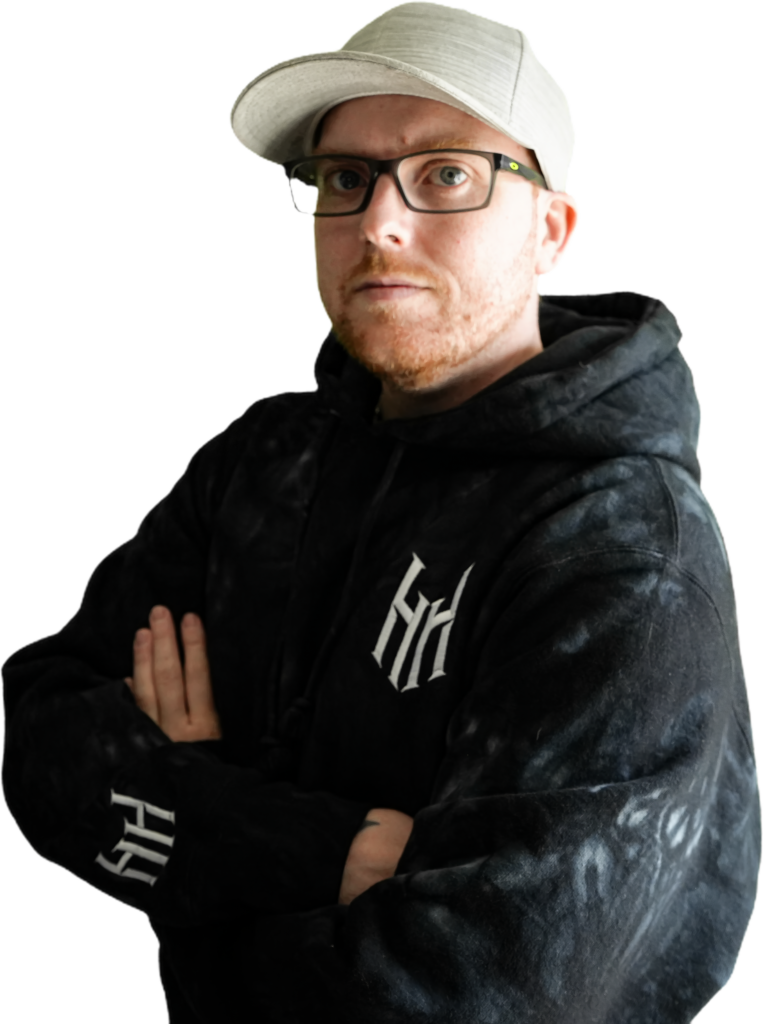
Founder at Fateless & Creator of Hellhades.com